

When you picture China, skyscrapers and crowded cities might come to mind. But beyond the urban rush lies a different world: the quiet countryside, where life moves with the seasons and hospitality is as simple as a shared pot of tea. A rural China homestay is not a hotel or a luxury resort. It is a genuine invitation into a farmer’s daily life, offering experiences no guidebook can fully capture. For foreign travelers seeking authentic connection, this kind of stay can be unforgettable—but only if you know what to expect. In this guide, I’ll walk you through the real conditions, the local customs, and the small surprises that make rural homestays in China a unique adventure.
Is a Rural China Homestay Safe for Foreigners
Safety is often the first question for anyone traveling off the beaten path in China. The good news is that violent crime is extremely rare in Chinese villages. Local families take great pride in protecting their guests, and many rural areas have strong community bonds where strangers are treated with curiosity and care. You are far more likely to be offered too much food than to face any danger. However, “safe” does not mean “without risk.” Roads may be unpaved and poorly lit at night, and farm animals like dogs or geese can be territorial. Medical facilities are basic, so pack a solid first-aid kit and any prescription medicines.

What about political or cultural safety? As a foreigner, you will stand out. Children may shout “hello” repeatedly, and adults might stare or ask personal questions. This is not hostility but genuine interest. Most rural families have never hosted a foreign guest before, so your behavior sets the tone. Learn a few phrases in Mandarin—like “thank you” (xiè xie) and “delicious” (hǎo chī). Respect local customs, such as removing shoes before entering a home. If you show patience and goodwill, the family will go out of their way to keep you safe and comfortable.
What Food and Drink Can You Expect
Forget restaurant menus. In a rural China homestay, you eat what the family eats, which usually means fresh, seasonal ingredients from their own land. Breakfast might be rice porridge with pickled vegetables and a boiled egg. Lunch and dinner often feature one or two stir-fried vegetable dishes, a small portion of meat (pork or chicken), and plenty of steamed rice. Do not expect dairy products—cheese and milk are rare in most villages. Tea is the standard drink, usually green tea served in a shared cup. Bottled water is available at small local shops, but tap water is not drinkable anywhere in rural China.
The biggest challenge for many Westerners is the sheer unfamiliarity. You might encounter chicken feet, duck blood curds, or tofu fermented for months. Spices like Sichuan peppercorn can numb your mouth. If you have dietary restrictions, communicate clearly using a translation app. Vegetarians will find it easier than vegans, as lard is commonly used for cooking. That said, most hosts are incredibly accommodating if you explain politely. Meals are communal affairs, so try a little of everything. Refusing food outright can offend, but taking a small portion and praising it goes a long way.

How to Book and Communicate Without Chinese
Booking a rural homestay is not like using Airbnb in a big city. Many family-run farms are not listed on international platforms. Your best options are Chinese apps like Ctrip () or Xiaozhu, but these require some Mandarin or a good browser translator. Alternatively, work with a local travel agency that specializes in rural tourism. Some foreign-friendly homestays can be found on , though the selection is limited. Another method: simply show up in a village and ask around. This sounds risky, but in many rural areas, someone will know a family willing to host you for a small fee (usually 100–200 RMB per night including meals).
Communication is the real hurdle. Outside of tourist zones, very few rural Chinese speak English. However, modern technology makes it manageable. Download WeChat—China’s essential messaging app—and use its built-in translation feature for text conversations. Google Translate works offline if you download Mandarin Chinese before you go. Learn to say “hello,” “thank you,” and “how much” in Mandarin. Use hand gestures and drawings for the rest. Most importantly, bring a smile. Non-verbal friendliness bridges almost any language gap. Write down your requests in simple English and use the app to translate them. The family will likely respond with broken English or a translation app of their own.
Understanding Bathroom and Bedding Basics
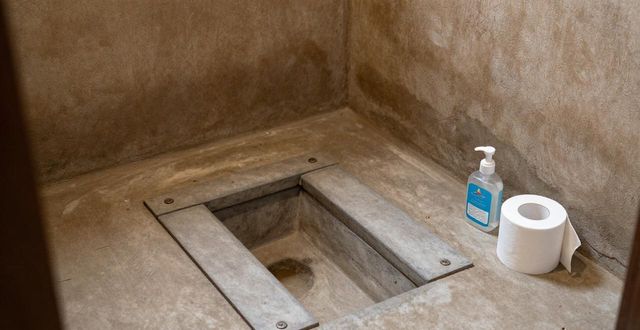
Let’s be honest: the bathroom is often the biggest shock for Western guests. Many rural homestays have squat toilets rather than sit-down ones. You may find a simple hole in the ground over a concrete slab. Toilet paper is rarely provided, so carry your own roll and hand sanitizer. In older homes, the bathroom might be a separate outhouse without running water. Showers, if available, may only produce warm water when the sun has been strong or when the family heats a large pot on the stove. Do not expect a hot shower every day. Embrace the rustic reality as part of the adventure, and you will appreciate modern plumbing even more afterward.
Bedding follows local norms, which differ greatly from Western hotel standards. The bed is typically firm—sometimes very firm—with a thin mattress on a wooden board. You will get a quilt filled with cotton or synthetic material, and in winter, an electric blanket might be your best friend. Pillows are often filled with buckwheat husks,which feel hard and mold to your head over time. Bring a sleep mask and earplugs because roosters start crowing around 4 a.m. Despite the simplicity, most families will give you their cleanest linens. If you are sensitive to dust or have allergies, pack a lightweight sleeping bag liner. Remember, these are people’s homes, not commercial lodgings. Adjust your expectations, and you will sleep better than you think.
After reading this, would you trade a five-star hotel for a night on a farm in rural China? Share your thoughts or your own homestay story in the comments below—and if this guide helped you, give it a like and pass it on to a fellow traveler.