
As someone who has spent over a decade exploring cultural traditions around the world, I have developed a particular fascination with Chinese art. From ancient temple murals to contemporary installations, Chinese culture art forms offer an endless well of inspiration and meaning. What makes these artistic expressions truly remarkable is not just their beauty but the deep philosophical and historical context woven into every brushstroke, every carved detail. Understanding these art forms provides a window into how Chinese people have viewed the world, expressed emotions, and connected with nature for thousands of years.
What makes Chinese calligraphy so special

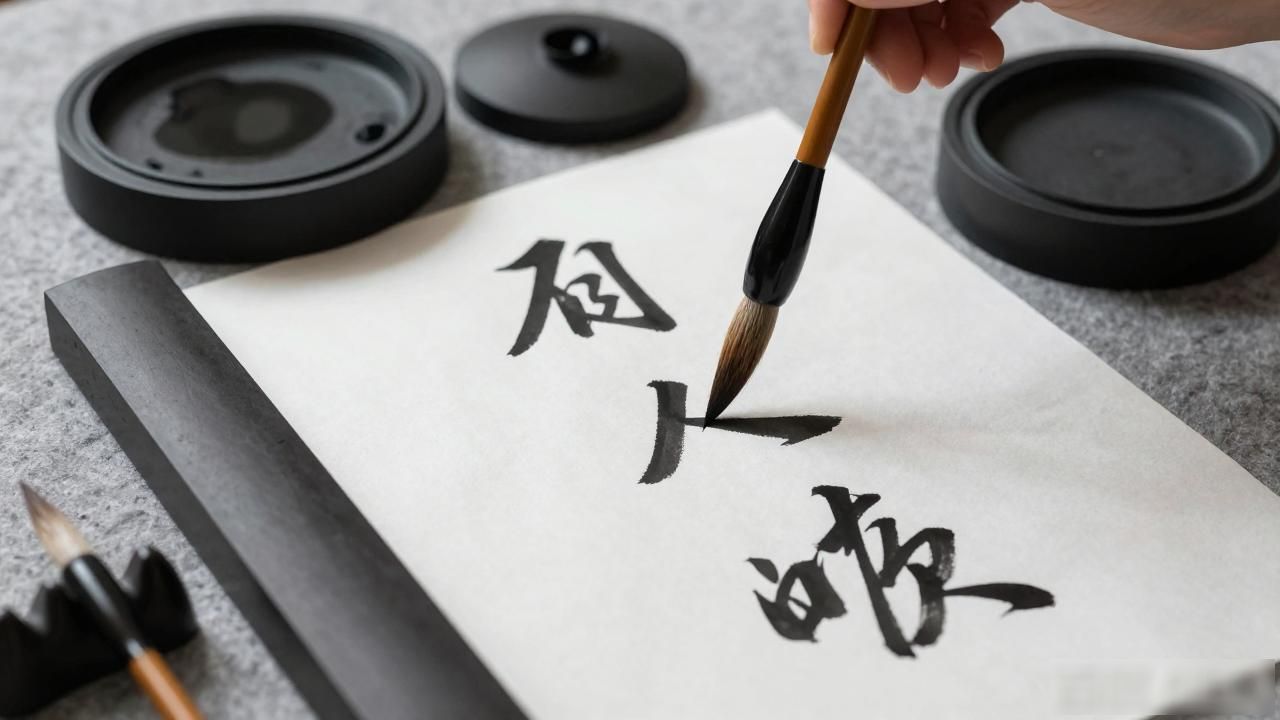
Calligraphy stands as the most revered form of Chinese artistic expression, transcending mere writing to become a profound visual art. The tools are remarkably simple — a brush, ink, rice paper,and an inkstone — yet the possibilities for expression are virtually infinite. Every stroke carries weight, rhythm, and intention that transforms written characters into visual poetry. When I first watched a master calligrapher at work in Hangzhou, I was struck by how each movement seemed choreographed, each decision made with complete presence and mindfulness.
The beauty of calligraphy lies in its balance between discipline and freedom. Calligraphers study classical models for years, mastering the precise techniques passed down through generations. Yet once those foundations are solid, artists develop personal styles that reflect their unique temperament and spiritual state. The connection between handwriting and personality is so strong in Chinese tradition that calligraphers can often reveal character traits through their scripts alone. This art form demands not only technical skill but also inner cultivation — a concept closely tied to Confucian ideals of self-improvement and moral development.
How does Chinese painting express philosophy
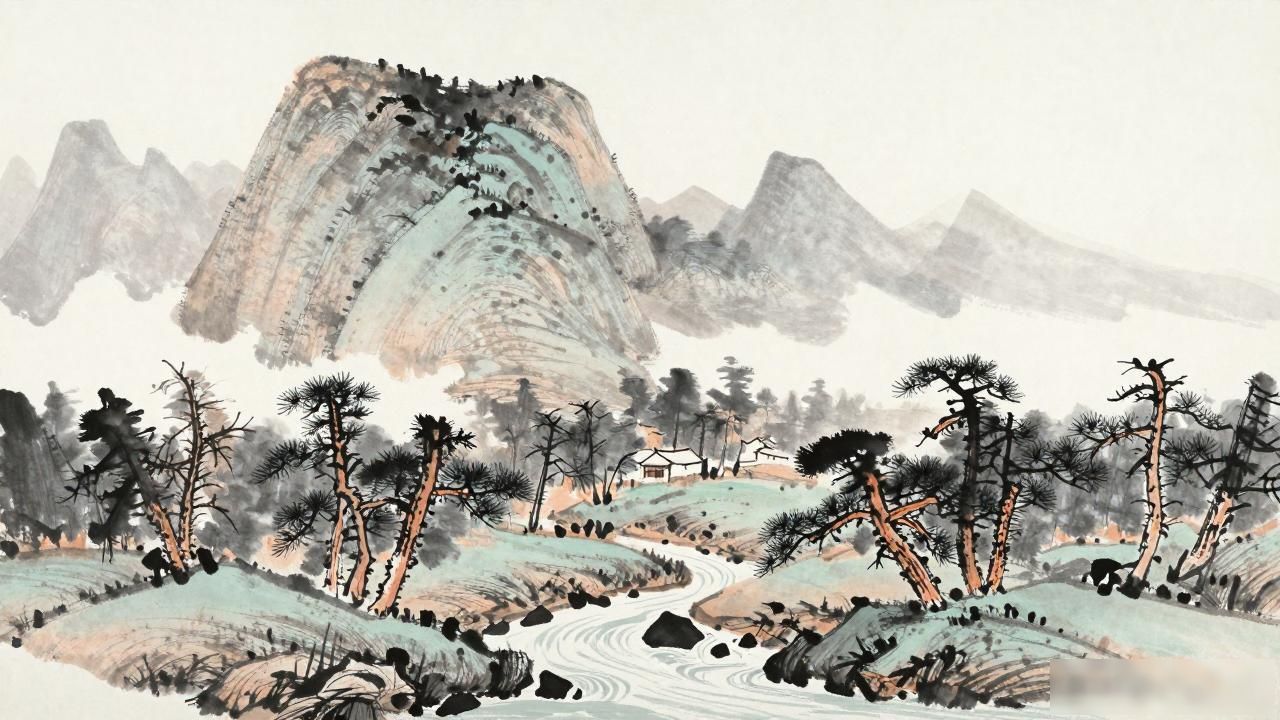
Chinese painting operates on principles fundamentally different from Western artistic traditions. Rather than pursuing realistic representation through perspective and shadow, Chinese painters seek to capture the essential spirit of their subjects. Landscape painting, or shanshui, holds the highest position among Chinese painting genres, reflecting the deep reverence for nature embedded in Chinese philosophy. Mountains represent stability and permanence, while water symbolizes flow and change — together embodying the Taoist understanding of cosmic balance.
The use of negative space in Chinese painting is particularly striking. Large areas of empty paper are not simply background but actively participate in creating meaning. These blank spaces invite viewers to complete the scene with their own imagination, transforming painting from a visual experience into a participatory meditation. I once stood before a Ming dynasty scroll in the Palace Museum that depicted mountains barely suggested by a few ink washes, yet the sense of vast distance and atmospheric depth was overwhelming. This approach requires patience and contemplation, qualities highly valued in Chinese aesthetic tradition.
Why should you know about Chinese folk arts
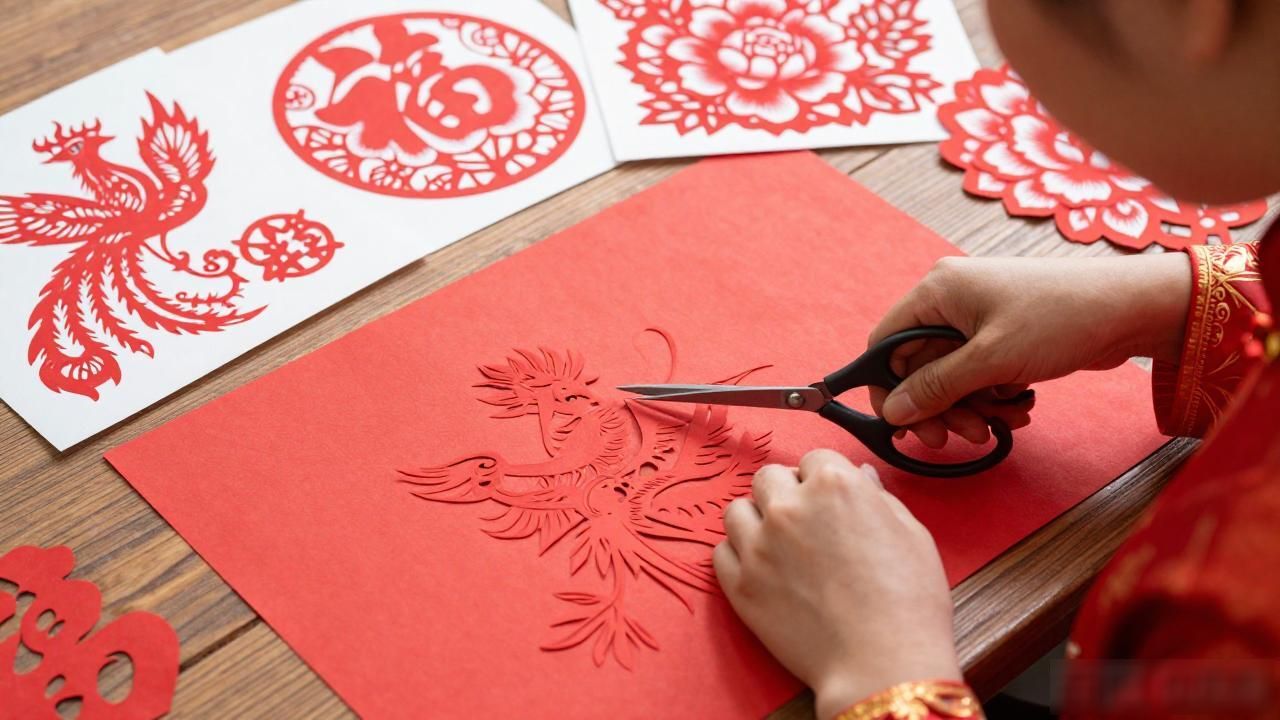
Beyond the refined traditions of literati art, Chinese folk arts reveal the creative spirit of ordinary people. Paper cutting, known as jianzhi, is one of the most accessible and beloved art forms, practiced in homes across the country for centuries. Artists fold sheets of red paper and cut intricate designs that emerge as elaborate patterns when unfolded. These delicate works adorn windows during festivals, carry wishes for prosperity and happiness, and showcase remarkable ingenuity using only scissors and paper.
Ceramic art represents another cornerstone of Chinese craftsmanship that has influenced global material culture. From the elegant simplicity of Song dynasty porcelain to the vibrant complexity of Qing dynasty famille rose, Chinese ceramics demonstrate technical mastery combined with aesthetic sensitivity. The export of Chinese porcelain to Europe in the seventeenth and eighteenth centuries triggered what historians call “Chinoiserie,” fundamentally reshaping Western decorative arts. Today, these centuries-old traditions continue to evolve as contemporary Chinese artists reinterpret classic forms for modern audiences, proving that Chinese culture art forms remain vital and dynamically alive.