
Walking into a Chinese restaurant during a holiday can feel like stepping into a completely different world. The usual dim sum and takeout menus disappear, replaced by elaborate spreads that have stayed nearly unchanged for centuries. I still remember my first Lunar New Year in Beijing — the table groaned under the weight of dishes I had no idea how to eat, but the warmth and meaning behind every bite made me understand why food matters so much during these celebrations.
What are the most popular festive Chinese foods?
You will find certain dishes on tables across the country, no matter which region you are in. Dumplings are perhaps the most iconic,but they are only the beginning. Whole fish, sticky rice cakes, and spring rolls appear at nearly every celebration because each carries a message about luck, prosperity, and family unity.

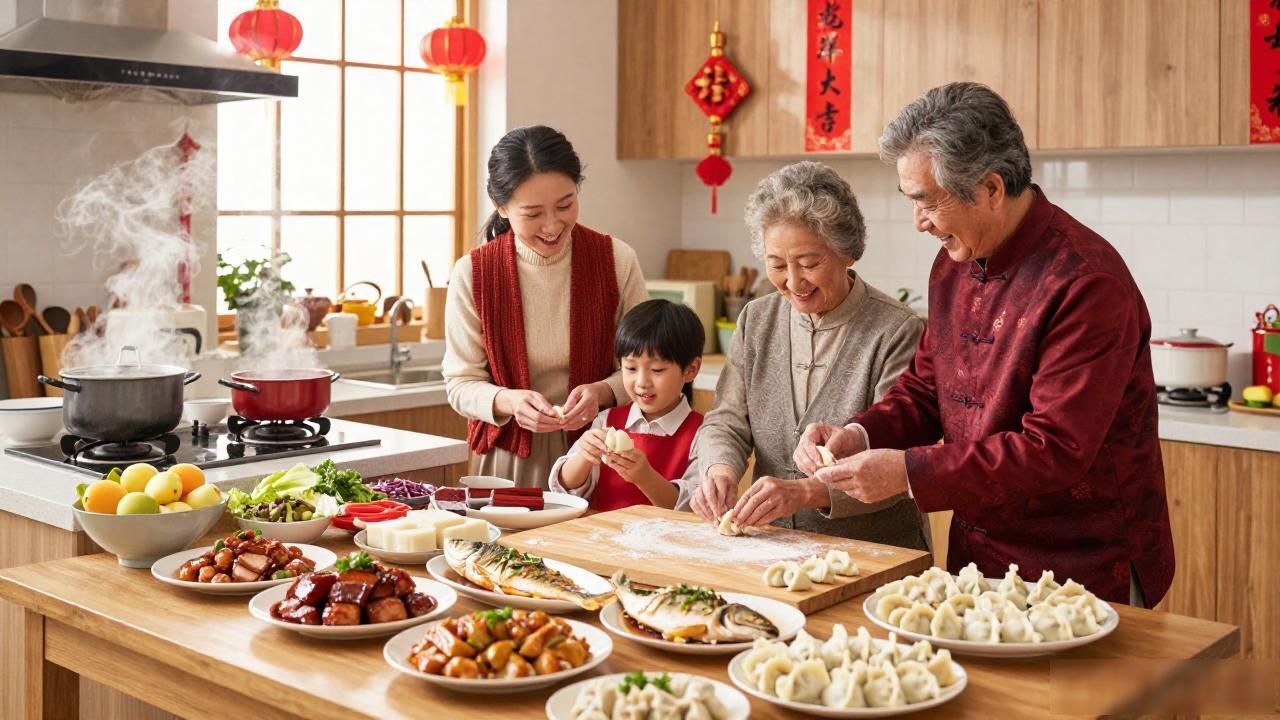
During Lunar New Year, families spend hours preparing these dishes together. The process itself is part of the tradition. Children learn to fold dumpling wrappers from their grandparents, and the kitchen becomes the heart of the home. By the time the New Year arrives, the table is already loaded with symbolic foods that represent wishes for the year ahead.
Fish is usually served whole, with the head and tail intact. This is not about presentation alone — it represents abundance and completeness. The word for fish in Chinese sounds like the word for surplus, which makes it a powerful symbol of prosperity. Eating the head and tail means you start and finish the year strongly.
Nian Gao, or sticky rice cake, is another essential dish. Its name literally means “year high,” and eating it expresses the hope that things will improve throughout the year. The chewy texture and sweet flavor make it a favorite among all age groups.
How do festival foods differ across Chinese holidays?
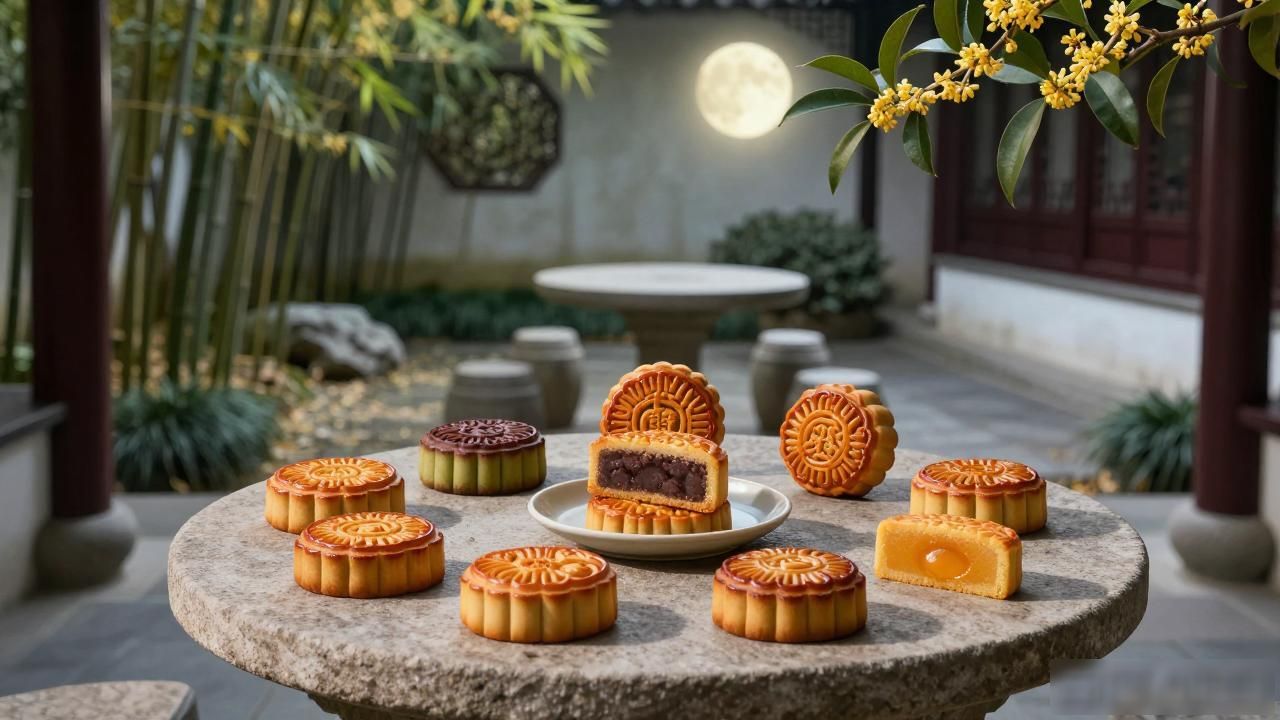
Chinese festivals each have their own unique foods tied to the season and legend. The Mid-Autumn Festival centers around mooncakes — dense, round pastries with intricate designs pressed into the top. These come in many varieties, from traditional lotus seed paste and red bean to modern versions filled with salted egg yolk or even ice cream. The round shape mirrors the full moon and symbolizes family reunion.
Dragon Boat Festival brings zongzi to the table. These are glutinous rice parcels wrapped in bamboo leaves and steamed until tender. Inside you might find pork, mushrooms, chestnuts, or a salted egg yolk. The preparation takes time, and many families still make them at home rather than buying them from stores. The legend behind zongzi tells us they were originally thrown into rivers to protect the body of the poet Qu Yuan.
Qingming Festival, or Tomb Sweeping Day, features qingtuan — soft green rice balls made from mugwort juice. The vibrant color comes from fresh herbs, and the taste is subtly earthy. These are eaten while visiting ancestral graves, connecting the living with those who came before.
Why is food so central to Chinese celebrations?
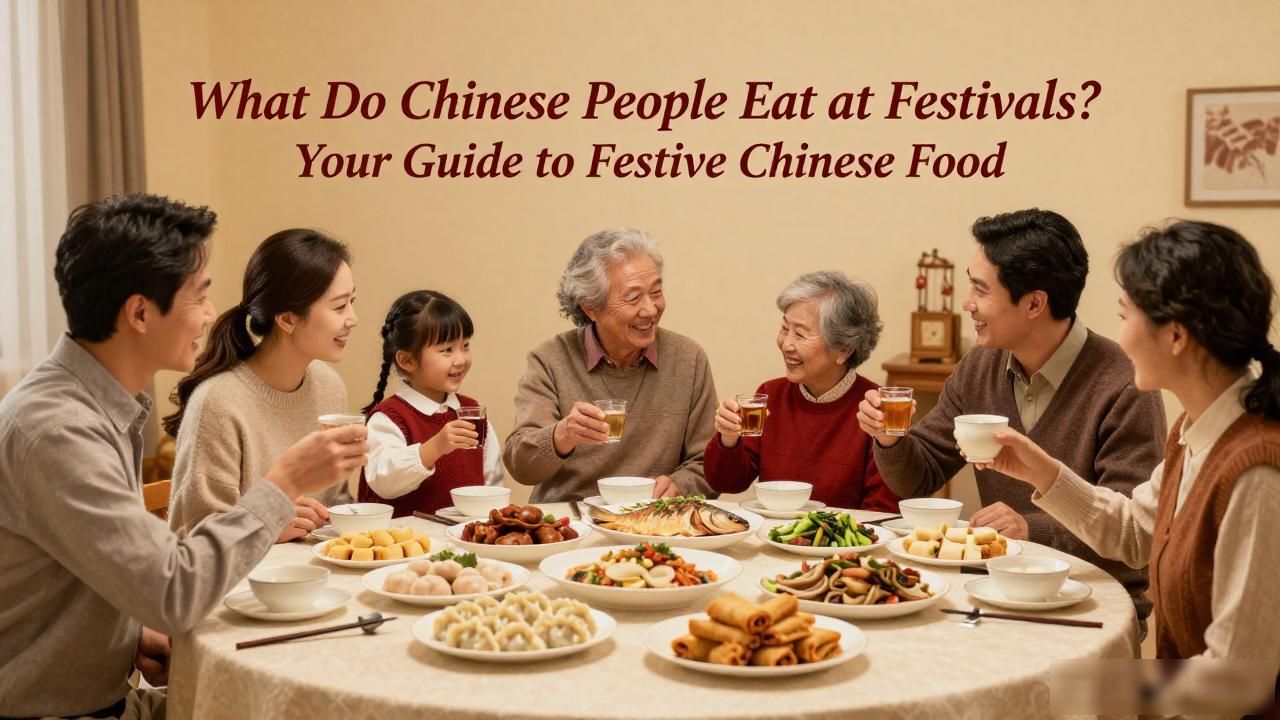
Food in Chinese culture goes far beyond feeding the body. Every ingredient, every cooking method, and every arrangement on the table carries meaning. Sharing a meal during festivals strengthens family bonds and passes traditions down through generations. For foreigners trying to understand Chinese culture, food is perhaps the most accessible entry point.
The emphasis on communal dining reflects a deeper worldview. Individual plates are rare during festivals — instead, everyone shares from common dishes, reinforcing the idea that the group matters more than the individual. Even today, when Chinese families are smaller and more scattered, festival meals bring people back together.
Trying festive Chinese food yourself is one of the best ways to connect with Chinese culture. Whether you visit a restaurant during the Spring Festival or host your own celebration with friends, the food opens a door to understanding centuries of tradition and the values that still guide millions of people today.