
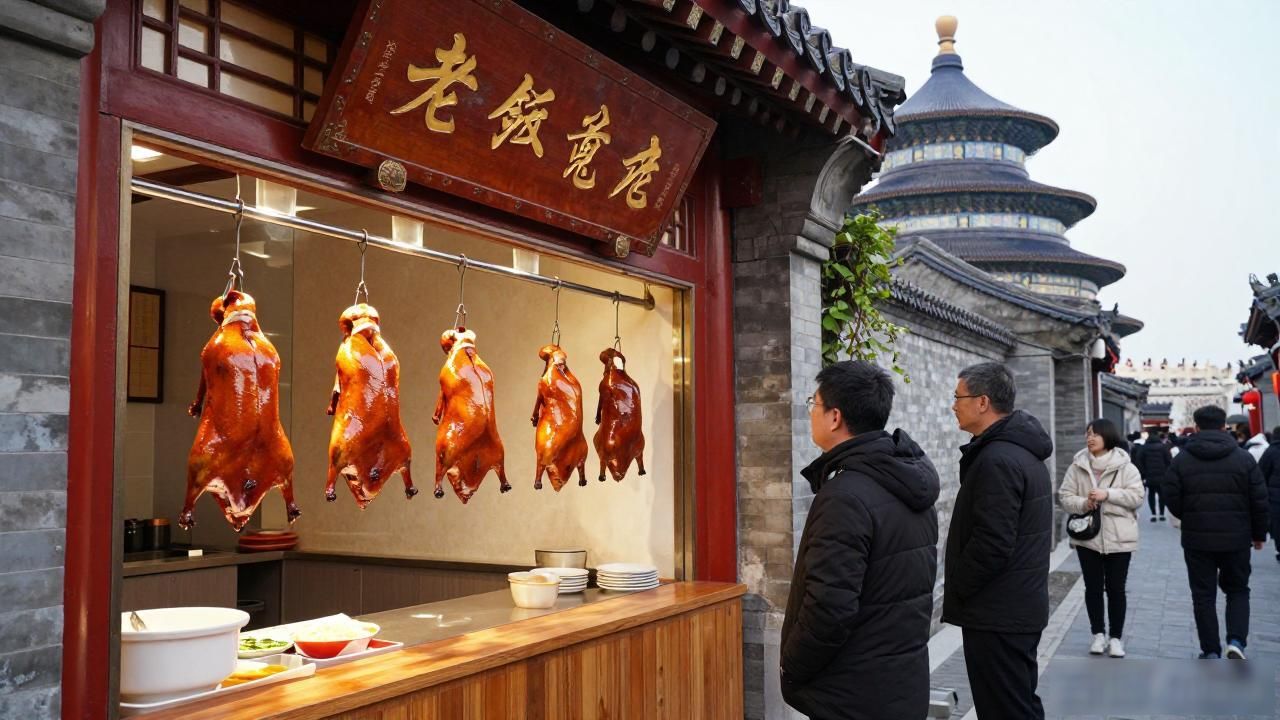
I have spent years walking through the old alleys of Beijing, chasing one of China’s most celebrated dishes. Every traveler who arrives here asks the same question — where can I taste truly authentic Peking duck? The answer is not simple. This dish carries centuries of history, and its preparation demands skill passed down through generations. Understanding where to find it means looking beyond tourist traps and into the places that locals still visit.
Where is best restaurant for Peking duck
Quanjude remains the most famous name in Peking duck, yet it is not the only option worth considering. Founded in 1864, this restaurant has fed emperors, politicians, and international celebrities alike. The oven-roasted style they perfected uses a closed wood-fired chamber, giving the skin a distinct crispness. Many visitors still flock there for the experience, though quality has shifted over decades.

Da Dong stands out as a modern favorite among younger Beijing residents. Their roast duck uses an open-flame method that creates an exceptionally thin and fragile skin. The fat content is carefully controlled, so each bite feels lighter without sacrificing richness. Located in the Wangjing area, this spot has earned a reputation that rivals any historic establishment. It attracts both locals and knowledgeable foreigners who want something beyond the usual套路.
Siji Minfu deserves mention as well, tucked inside a converted courtyard house near Qianmen. The atmosphere feels remarkably traditional, with wooden tables and waiters who move with practiced efficiency. Their duck is smaller but intensely flavorful, a preference among regular customers who return week after week.
How to eat Peking duck properly
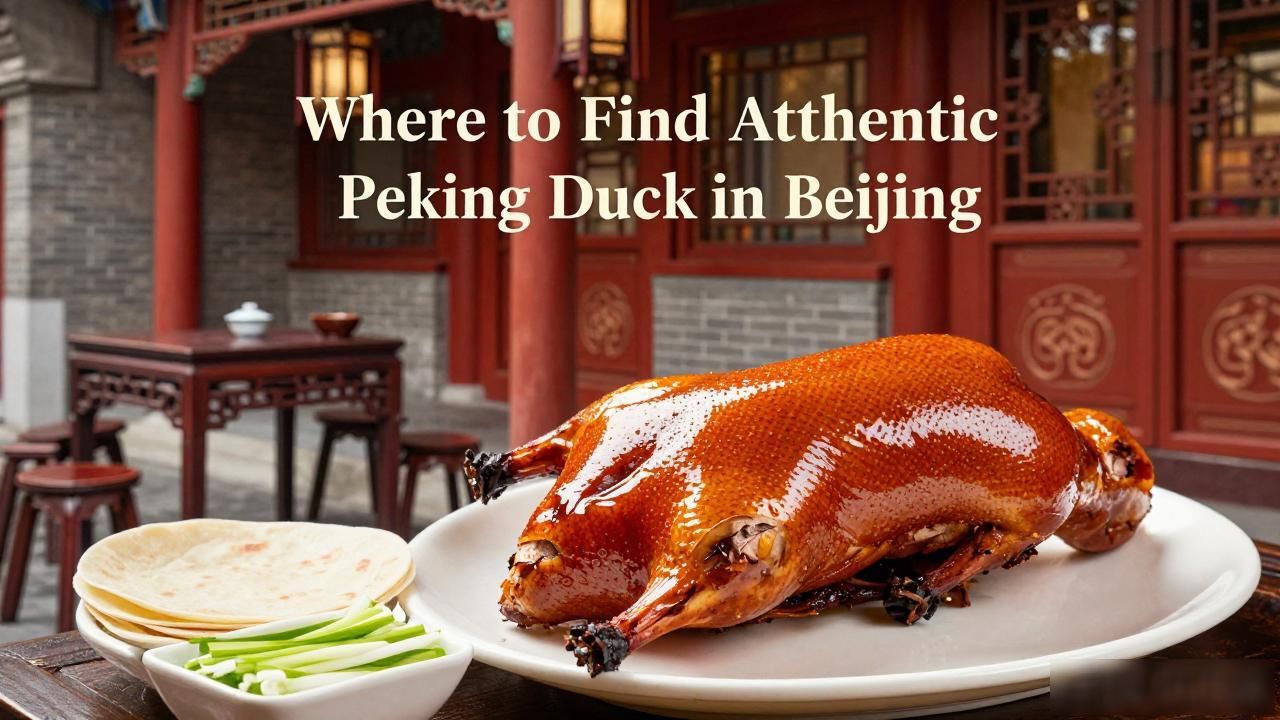
Picking up a slice of roasted duck with your hands might look careless at first, but it is exactly how this meal should be enjoyed. The thin pancakes wrap around slices of meat, a dab of hoisin sauce, and julienned scallions or cucumber. Some prefer a touch of sugar on the side, while others add pickled vegetables for contrast. The ritual itself matters as much as the taste.
The crispy skin is considered the finest part by seasoned diners. Chefs serve it separately on a small plate before the rest of the duck arrives. Dipping it lightly in sugar enhances its natural sweetness and brings out the smoky undertones. Many first-time visitors overlook this course, rushing straight into the wrapped slices. Take your time with it.
A full Peking duck meal includes more than just the wrapped portions. The bones often go into a soup — nong tang — simmered with cabbage and dried mushrooms. It is warming, deeply savory, and a perfect way to end the experience. Some restaurants also prepare shredded duck meat stir-fried with salt and pepper for those who want a second encounter with the flavor.
What price should you expect
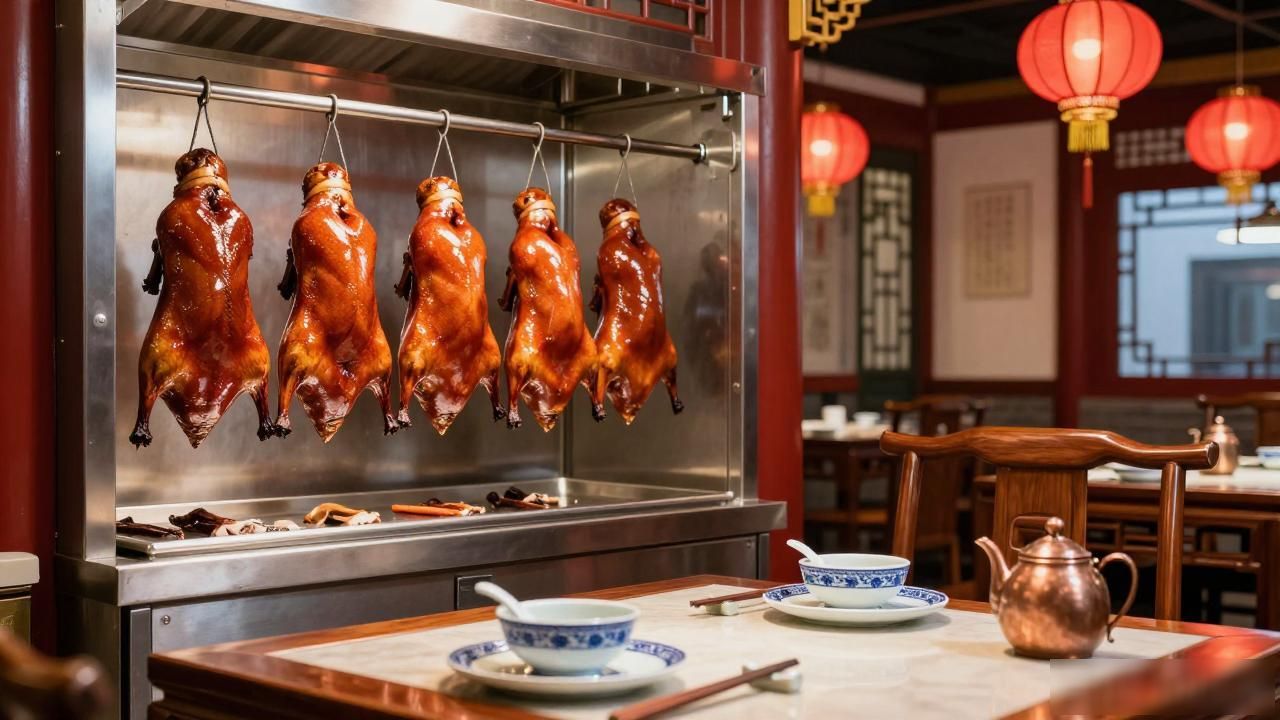
Budgeting for authentic Peking duck in Beijing requires a realistic expectation. A whole duck at a mid-range restaurant typically costs between 200 and 400 yuan, roughly twenty-eight to fifty-six dollars. Higher-end venues like Da Dong may charge closer to five hundred yuan per duck, while street-level stalls offering half portions can dip below one hundred fifty yuan. The lowest prices usually come with compromised quality, so choosing wisely matters.
Booking ahead is essential during peak seasons and weekends. Popular restaurants fill quickly,and walk-in customers frequently leave disappointed. A reservation secures your spot and often guarantees fresher ingredients. Foreign visitors should learn to use local apps or call directly, as English-language booking channels remain limited at most traditional establishments.