
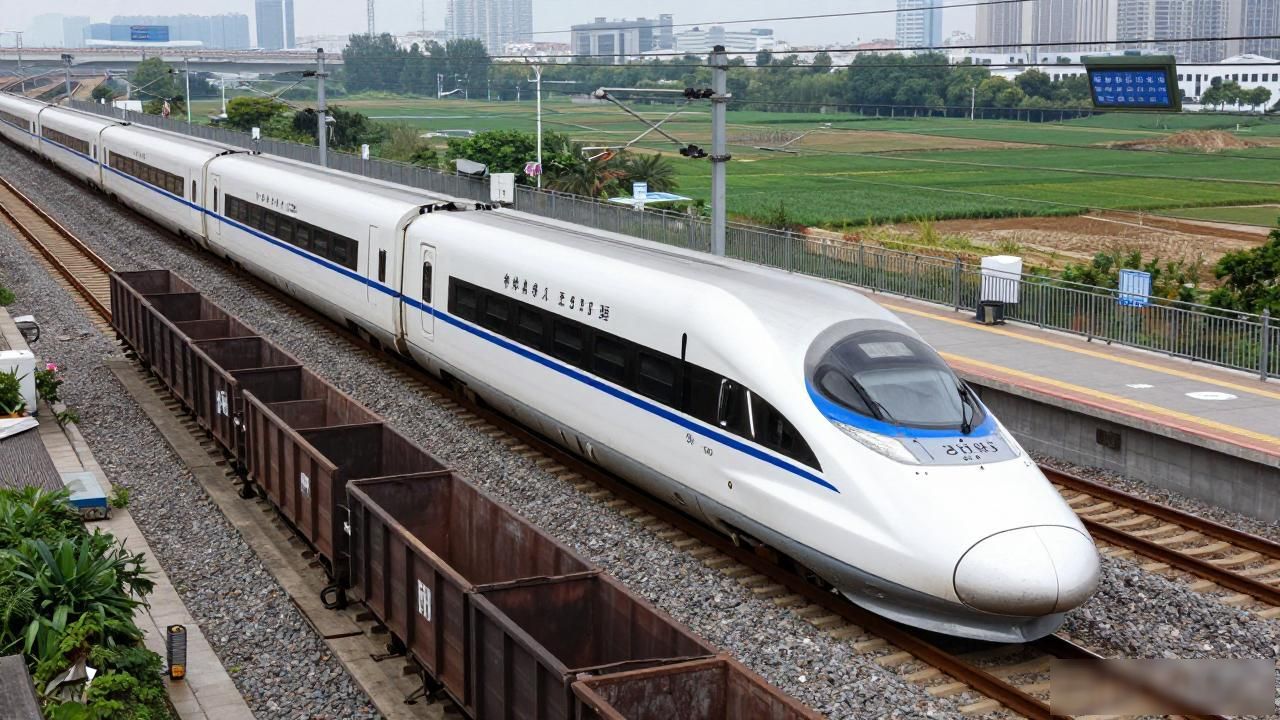
China‘s high-speed rail is nothing short of a marvel. Spanning over 45,000 kilometers, it’s the largest network on the planet — and the most-used one, by a wide margin. I first rode the Shanghai-Hangzhou line back in 2014, and even then, it felt like stepping into the future. Trains glide silently at 300 kilometers per hour. Cities that once felt impossibly far are now hours, sometimes less, apart. For foreigners traveling through China, understanding how this system works can make the difference between a smooth journey and a stressful one.
What Makes China’s High Speed Rail So Different

China didn’t invent high-speed rail, but it has built something larger and more integrated than anywhere else. The system runs on dedicated tracks, separate from freight and older conventional lines. That’s why delays are rare and schedules are eerily reliable. Trains arrive within minutes of their posted time, every single day.
There are different classes to choose from — second class, first class, and business class. Second class is the most popular and plenty comfortable for a four-hour ride. The seats recline slightly, there’s power outlets at every seat, and luggage space above and at the end of the carriage is generous. If you’re short on time, business class offers a quiet car, bigger seats, and complimentary snacks.
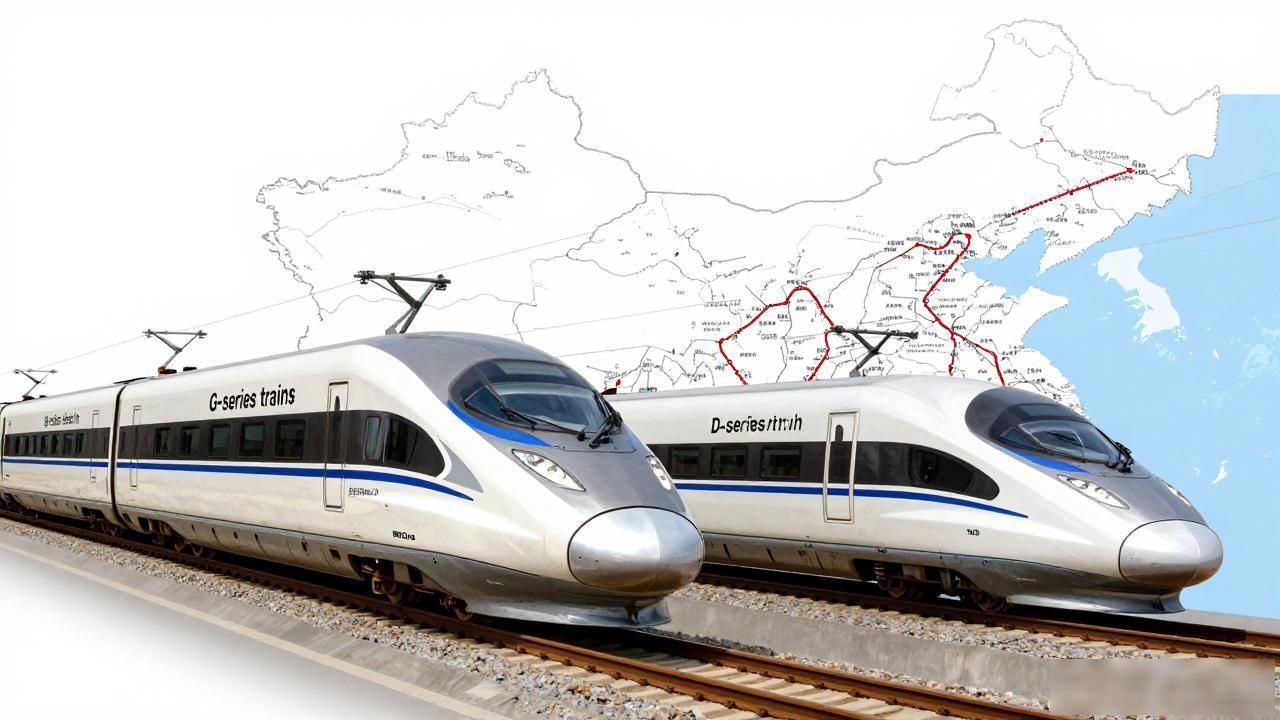
The naming system might look confusing at first. G-series trains are the fastest, reaching up to 350 km/h on certain routes. D-series trains are slightly slower, capped around 250 km/h, but they cover many secondary routes. Both count as high-speed rail. Knowing the difference helps when you’re planning your itinerary and comparing prices.
How Foreigners Can Book and Ride the System
Booking a ticket is straightforward if you know where to look. The official 12306 website and app allow English-language bookings, though the app can be a bit clunky. Many travelers find it easier to use third-party platforms like ,which handle payment in foreign currencies and offer English support. Either way, you’ll need your passport information — no national ID or credit card from a Chinese bank is required.
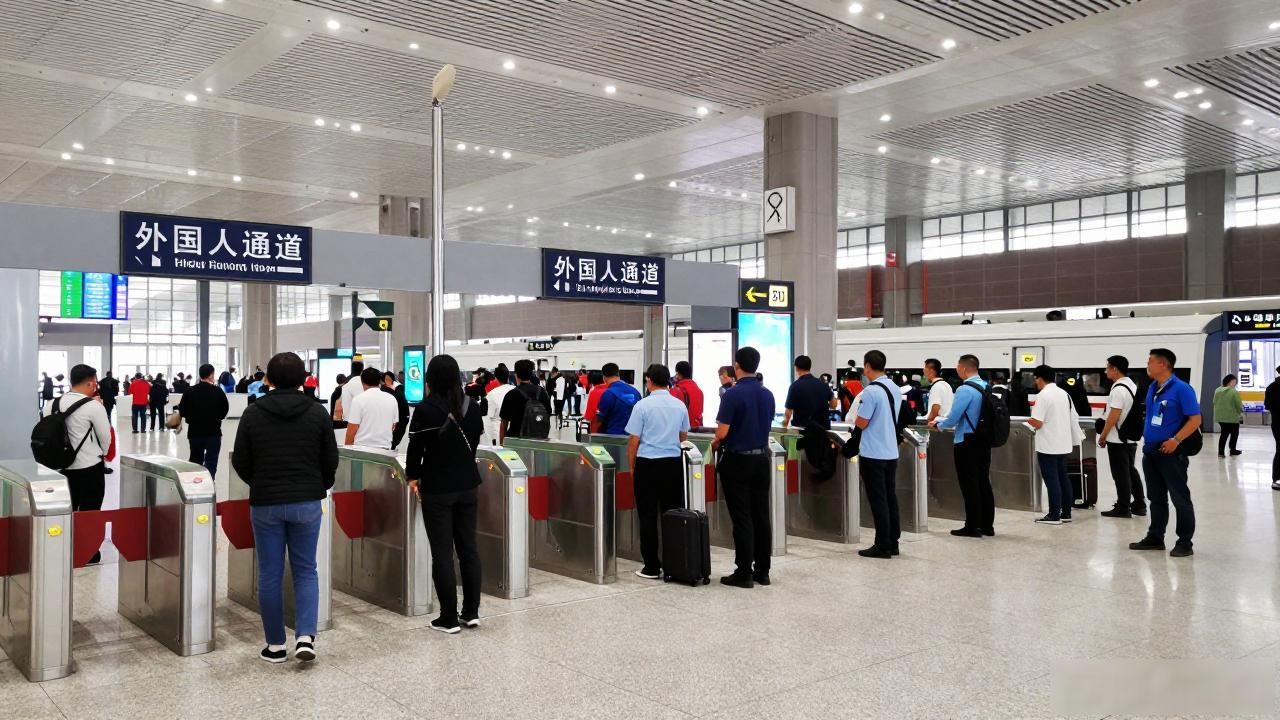
At the station, things are very different from airports. There are no security checks with liquid restrictions or full-body scanners. You walk straight to the gate, show your passport at the dedicated foreigner lane, and step onto the platform. Boarding usually opens ten minutes before departure. It’s fast, efficient, and humbling compared to the chaos of most Western airports.
Once onboard, finding your seat is easy. The carriage and seat numbers are displayed on overhead screens, and your ticket — whether printed or on your phone — shows exactly where you belong. The whole process from entering the station to being seated takes under five minutes. That’s a level of efficiency that few rail systems anywhere in the world can match. Keep your passport handy throughout the journey, as staff may occasionally check tickets and identification together.