

When planning a trip to Hangzhou, West Lake is undoubtedly the first place that comes to mind. As a UNESCO World Heritage Site, this freshwater lake has inspired poets and painters for centuries with its misty hills, ancient pagodas, and serene waters. For foreign travelers, understanding the key attractions around West Lake can turn a simple walk into an unforgettable journey through Chinese history and nature. In this guide, I’ll walk you through the most iconic spots, practical tips for visiting, and how to make the most of your time at this legendary lake.
What are the must-see attractions at West Lake

The Ten Scenes of West Lake are the classic highlights, each representing a unique seasonal or atmospheric moment. Among them, Broken Bridge (Duanqiao) is famous for its romantic legend of the White Snake, and it’s the best place to start a lakeside walk. Leifeng Pagoda offers a stunning panoramic view of the entire lake, especially during sunset. Three Pools Mirroring the Moon is the image you’ve seen on China’s one-yuan banknote – three small stone pagodas rising from the water, best viewed by boat. Flowing Dawn at Su Causeway is a 2.6-km embankment lined with willows and peach trees, perfect for a morning stroll. Don’t miss Lingyin Temple, one of China’s largest and wealthiest Buddhist temples, tucked in the hills just north of the lake. Each site has its own story, so consider hiring a local guide or using an audio app to enrich your experience.
How to get around West Lake efficiently
Walking is the most enjoyable way to explore the lake’s southern and eastern shores, where most attractions are clustered. The full loop is about 15 km, so renting a public bicycle (available at many stations) or an electric sightseeing car (CNY 40-80 per section) saves time and energy. For a classic experience, take a wooden boat from one of the official piers – a 30-minute ride to the Three Pools costs around CNY 55. Avoid the crowded west side during peak hours; instead, try the West Lake Cruise that departs from Huagang Pier. Metro Line 1 (Ding’an Road) and Line 2 (Fengqi Road) are both about a 10-minute walk from the lake. Remember that weekends and Chinese holidays bring massive crowds, so go early (before 8:00 AM) or late (after 4:00 PM) for a quieter visit.
Best time to visit and seasonal highlights
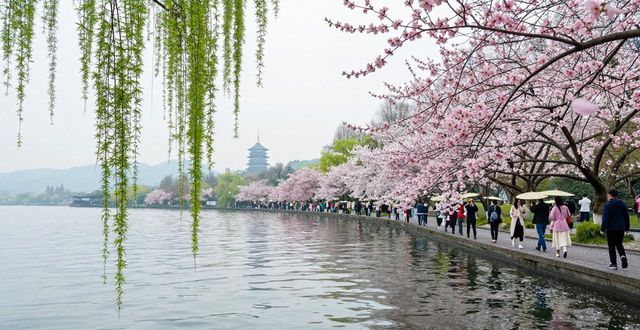
Spring (March to May) and autumn (September to November) offer mild weather and stunning natural beauty. In spring, the Su Causeway bursts into pink and white blossoms, while autumn brings clear skies and the sweet scent of osmanthus flowers near Manjuelong Village. Summer can be hot and humid, but you’ll see lotus flowers in full bloom on the northern shore – the best viewing spot is near Quyuan Fenghe (Breeze-ruffled Lotus). Winter is magical if you’re lucky enough to catch snow on the Broken Bridge, a scene known as “Melting Snow on the Bridge.” No matter when you go,check the local weather and try to arrive around sunrise or sunset for the most dramatic light and fewer tourists.
What to eat and where to stay near West Lake
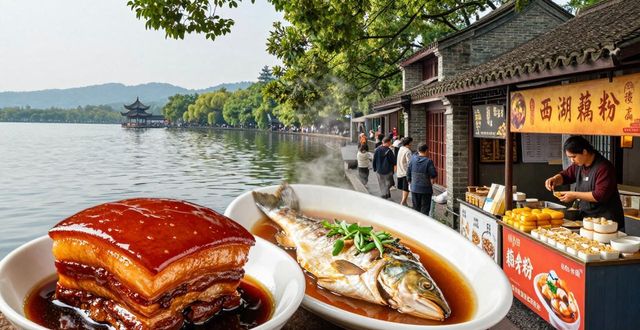
No visit is complete without tasting West Lake Vinegar Fish (a sweet-and-sour freshwater fish) and Dongpo Pork (braised pork belly named after the poet Su Dongpo). For a quick snack, grab a West Lake Lotus Root Starch drink or sweet osmanthus cake from street vendors near He Fang Street, a restored Qing-dynasty market just east of the lake. For accommodation, lakeside hotels like the Shangri-La or Four Seasons offer premium views, but budget travelers can find clean hostels in the Nanshan Road art district. If you want a traditional experience, book a room in a boutique guesthouse near Longjing Village, where you can also watch tea masters roast the famous Dragon Well tea.
Now I’d love to hear from you – which West Lake attraction are you most excited to see, or do you have a hidden gem to share? Drop a comment below, and if you found this guide useful, hit like and share it with your fellow travelers!