
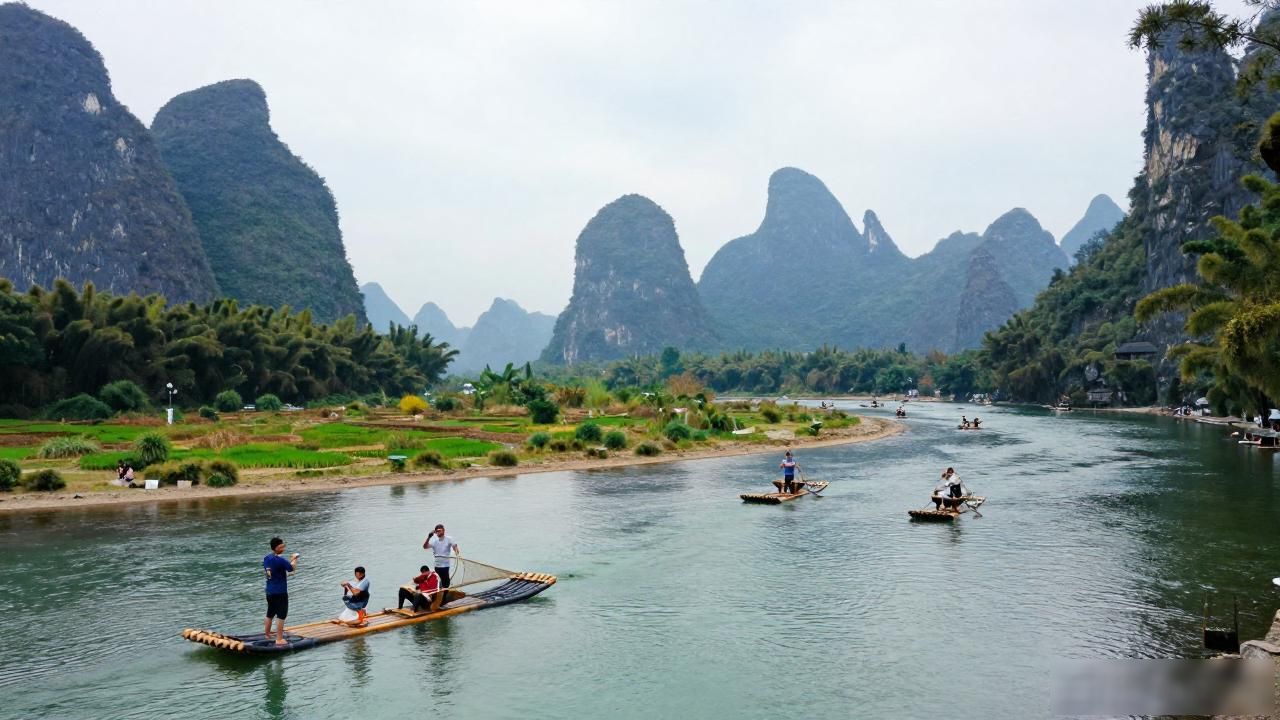
China’s natural landscapes are unlike anywhere else on Earth. From karst peaks piercing through clouds to emerald rivers winding through ancient gorges, the scenery here feels almost otherworldly. I’ve traveled across this country for over a decade, camera in hand, chasing light and terrain that defies explanation. What strikes you most is how varied it all is — mountains, deserts, forests, lakes, and waterfalls coexisting within a single border.
Where Are the Best Natural Scenery in China?

Guilin and Yangshuo in Guangxi province remain the most iconic image of China’s natural beauty. Towering limestone hills rise abruptly from flat green fields, and the Li River drifts lazily between them like a watercolor painting come to life. Visitors often take bamboo rafts along the river, but arriving early in the morning reveals a quieter version — mist still clinging to the peaks, fishermen casting their nets in silence.
Zhangjiajie National Forest Park in Hunan province tells a different story. Thousands of quartzite sandstone pillars stretch toward the sky, some rising over three thousand feet. The Avatar movie brought worldwide fame,but even without that connection, the place feels alien. Walking the glass-bottomed bridges suspended between cliffs is nerve-wracking, yet the views make every hesitant step worth it.
Which Natural Sites Should You Visit First?
Jiuzhaigou Valley in Sichuan province is a paradise of colored lakes and cascading waterfalls. The mineral-rich waters shift between shades of blue, green, and turquoise depending on the angle of sunlight. Autumn here is magical — maples and firs turn gold and crimson, reflecting on the still surfaces like stained glass. The altitude can be demanding, so acclimatizing in Chengdu before heading up is wise.
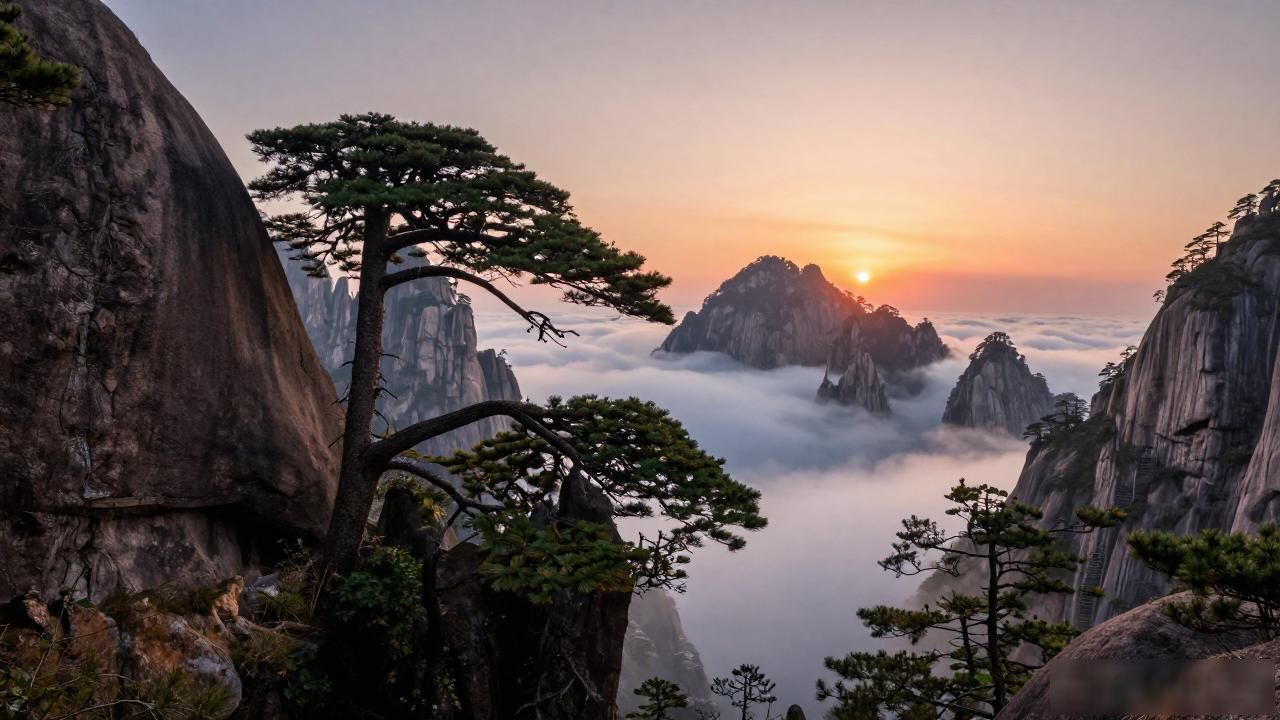
Huangshan, or Yellow Mountain, combines granite peaks with surreal pine trees growing from rock crevices. Cloud seas roll through the valleys below, making summits appear like floating islands. Sunrise and sunset views from the mountain top are legendary. Many travelers attempt the climb in one day, but staying overnight near the summit lets you experience both dawn and dusk without rushing back down in darkness.