
How to Spend Time at West Lake
West Lake isn’t just a body of water surrounded by hills — it’s the beating heart of Hangzhou. If you only do one thing in this city, make it a walk or bike ride along the lake shore. The view changes with every season, and every corner opens up to something new.
The Su Causeway is where most visitors start. It stretches across the lake, lined with willow trees and small bridges. Early morning here is magical, especially in spring when the blossoms are in full bloom.
You can also take a rowboat out onto the water. For a small fee, you get a guided tour around the three island pavilions. The guides speak basic English and share stories about famous poets and emperors connected to the lake. It’s a nice way to see things from a different angle.

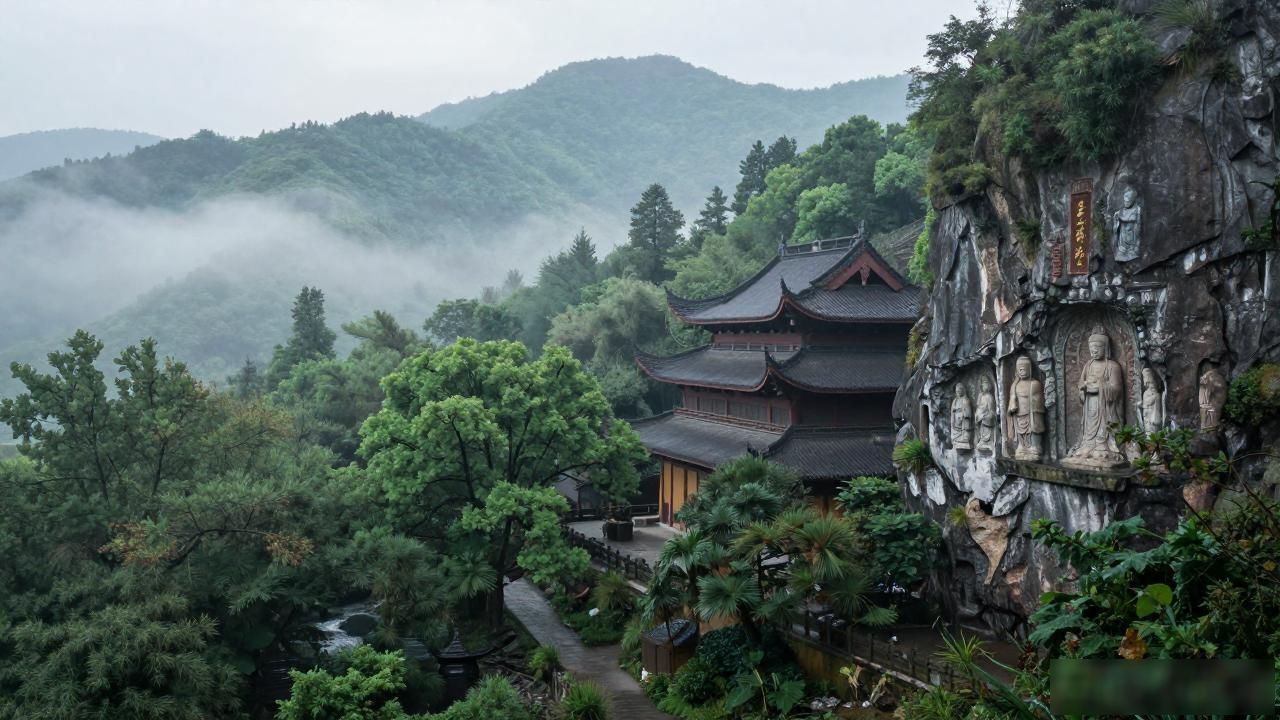
Lingyin Temple sits at the foot of a nearby hill and is one of the most important Buddhist temples in all of China. The carved rock statues inside the cave are stunning and date back over a thousand years. Arrive early to beat the tour groups.
What Should You Eat and Drink in Hangzhou
Hangzhou’s food scene is often overlooked compared to Sichuan or Cantonese cuisine, but it has its own quiet charm. The dishes lean toward freshness and subtlety rather than heavy spice.
Try Dongpo pork — braised pork belly named after a famous poet and gastronome who lived here centuries ago. The meat melts in your mouth, and the rich sauce goes beautifully with steamed rice. It’s available at most local restaurants and is reasonably priced.
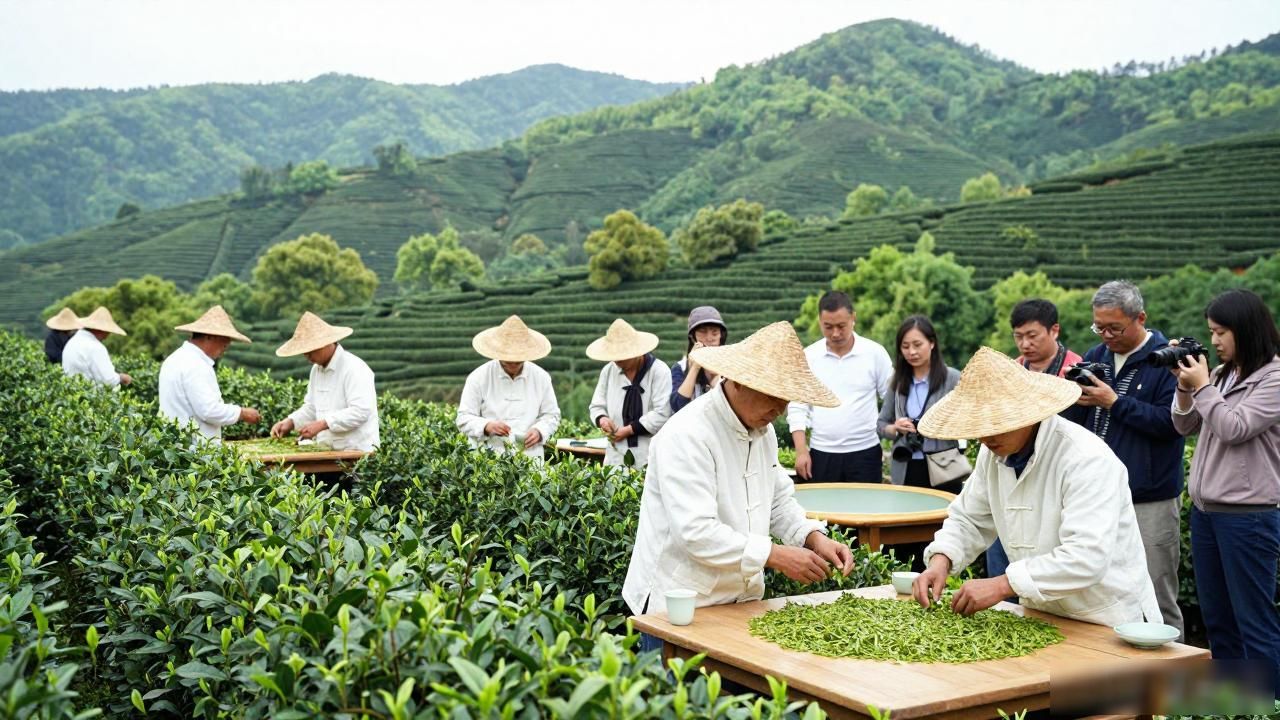
Tea is inseparable from Hangzhou. The city sits at the center of China’s most famous tea-growing region, and Longjing tea — Dragon Well green tea — grows in the hills just west of the city. A visit to a tea village like Meijiawu lets you watch the processing and taste freshly picked leaves straight from the source.
A traditional afternoon tea in a lakeside tearoom costs next to nothing and offers one of the most peaceful experiences you’ll find in China. Sit by the window, sip the slightly nutty green tea, and watch the boats drift across the water.
What Else Is Worth Visiting in Hangzhou
Beyond West Lake, the city has several areas that deserve attention if you have extra time.
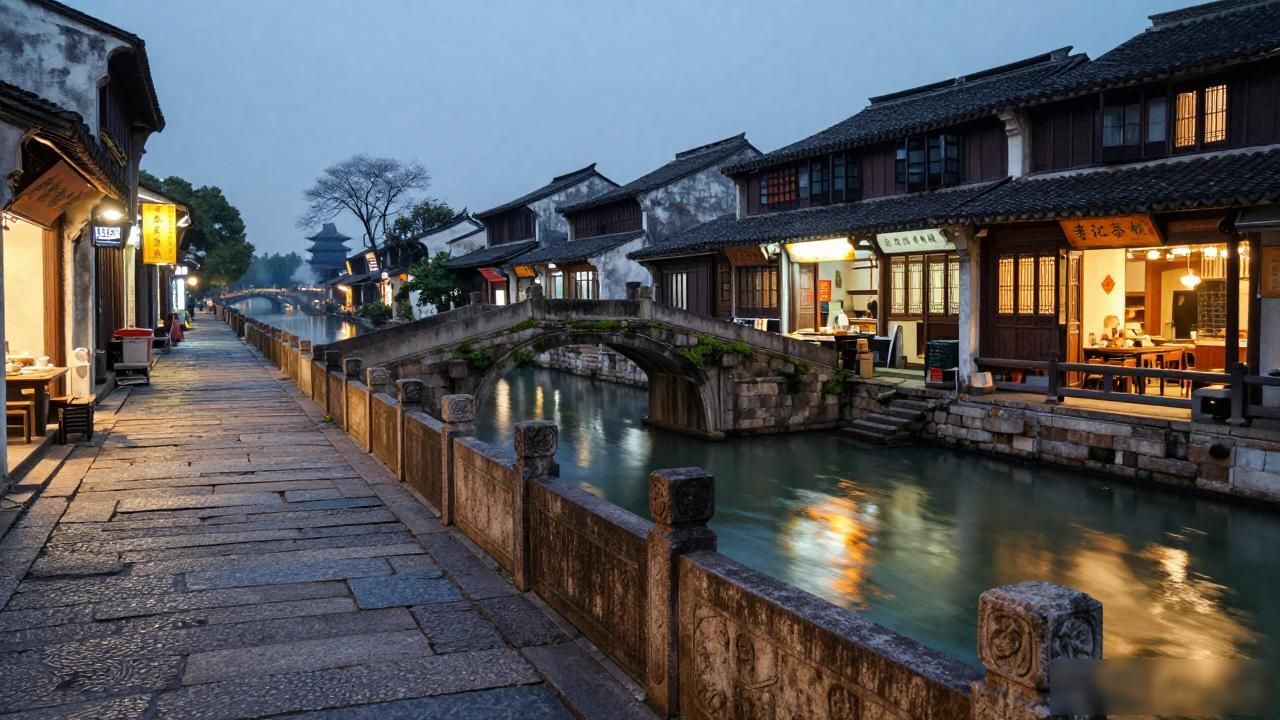
The Grand Canal runs right through Hangzhou and was a major trade route for over a thousand years. Walking along its banks in the evening is a pleasant stroll, especially near the old bridges and stone-lined streets. Small restaurants and noodle shops line the water here.
Hefang Street is a lively pedestrian shopping street near the lake. It’s touristy but fun — you’ll find street food, souvenirs, herbal medicine shops, and performers. Grab some stinky tofu and keep walking.
Getting around is easy. The metro is clean and modern, and bike-sharing is everywhere. Most major spots are reachable by bus or a short taxi ride. Learn a few Mandarin phrases for ordering food, and don’t be afraid to use Google Translate for menus.
September and October are the best months to visit. The weather is mild, the autumn colors are beautiful, and the summer crowds have thinned out. Summer can be hot and humid, while winter is chilly but rarely snows heavily.