
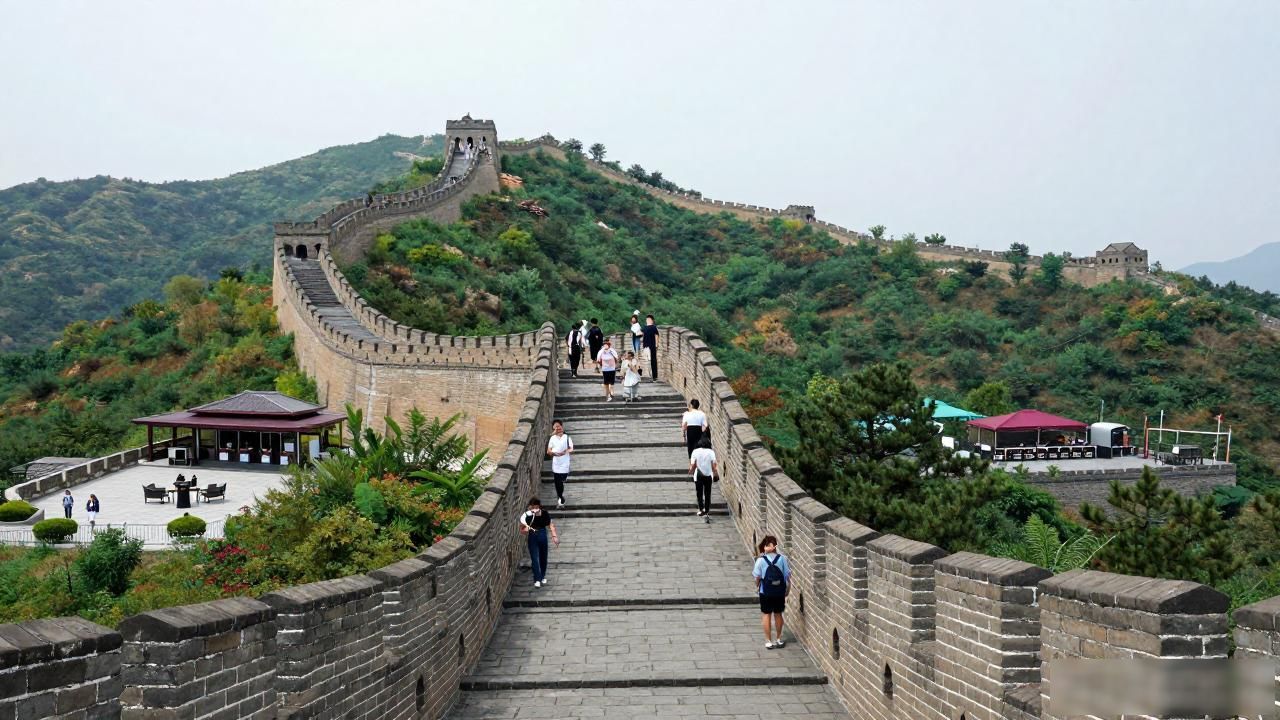
When most people think of the Great Wall, they picture a single continuous structure stretching endlessly across mountains. The truth is far more interesting. China’s defensive walls span over 13,000 miles across multiple dynasties, broken into countless distinct sections scattered throughout northern provinces. Each section tells a completely different story depending on its condition,location, and history. Knowing which sections to visit makes the difference between a crowded tourist photo stop and an unforgettable experience. This guide covers what actually matters when choosing your route.
Best Great Wall Sections For First Time Visitors

Badaling draws the largest crowds for good reason. Located just over an hour from downtown Beijing, this is the most restored and accessible section of the entire wall system. The stone steps are wide, handrails line dangerous edges, and the infrastructure around it means you can visit without worrying about transport or logistics. It remains the most visited Great Wall section in the world with roughly ten million guests annually. Expect crowds during holidays and summer weekends. If you visit on a weekday morning, you might find stretches where you can actually photograph the wall without other tourists in your frame. The restoration here is impressive but some travelers argue it sacrifices authenticity for safety.
Mutianyu sits roughly thirty minutes farther from Beijing than Badaling and offers a noticeably better experience for most visitors. This section features 22 watchtowers packed into a relatively compact area, meaning you see excellent wall architecture without hiking for hours. A cable car takes you to the upper reaches, and the famous slide ride down provides a fun ending to the tour. The surrounding forest creates a green backdrop that looks dramatically different from the rocky barren hills near Badaling. You will still encounter other tourists here, but the numbers feel manageable. The restored stonework and intact watchtowers give you a strong sense of the wall’s original military purpose.
Less Crowded Great Wall Sections Worth Exploring
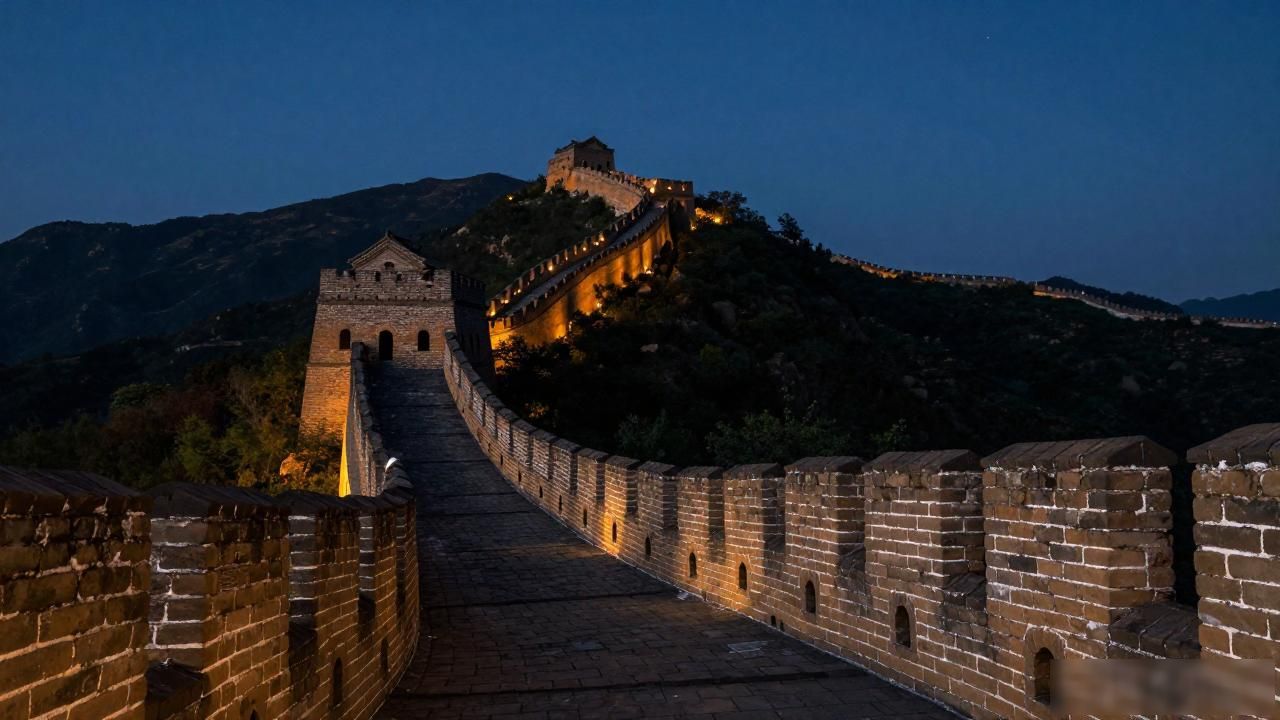
Simianyu stretches eastward toward the Hebei border and holds a special distinction. It is the only section officially opened for night visits, and walking along the illuminated wall after dark creates an atmosphere you cannot replicate during daylight hours. The wild, unrestored character of this section appeals to visitors who prioritize authenticity over comfort. Steep stairs and uneven pathways demand physical fitness. The surrounding landscape remains largely undeveloped, which means fewer facilities and more raw natural beauty.
Jiankou earns a reputation among serious hikers and photographers as the most dramatic section of the entire wall system. Sharp ridgelines, narrow passages, and dramatic drop-offs make this the photogenic counterpart to the engineered staircases at Badaling. This section was never repaired and shows visible signs of weathering and decay across centuries of exposure. Many parts require actual climbing skills rather than simple walking. The wild character attracts adventure seekers willing to trade comfort for spectacular views. Access involves rough mountain roads and steep approaches that most tour buses cannot handle.
Gubeikou near the Hebei border represents another excellent choice for travelers seeking quieter stretches. The wall here winds through rugged terrain with fewer visitors than the Beijing-area sections. Some parts remain partially collapsed, creating an atmospheric sense of walking through history rather than a polished tourist attraction. The area also includes a fortified ancient town nearby that adds cultural context to the visit.
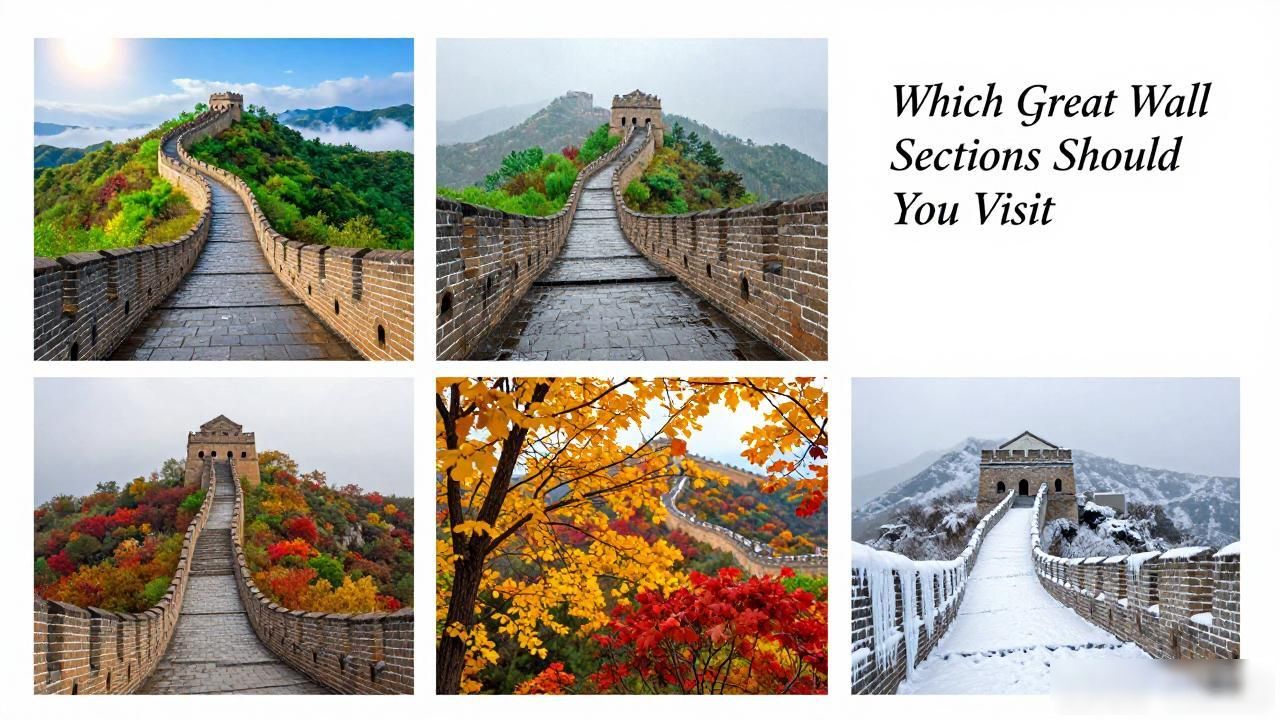
Timing matters more than most travelers realize. Spring and autumn deliver comfortable temperatures and clear skies across northern China. Summer brings heat and monsoon rainfall that makes stone steps slippery and dangerous. Winter can lock sections behind snow and ice, though the bare white landscape offers striking photography opportunities. Always check seasonal access information before traveling since some sections close during extreme weather without warning.
The Great Wall exists as fragments scattered across northern China rather than one continuous monument. Choosing the right section depends on your priorities—crowd avoidance, physical ability, photography goals, or proximity to Beijing. The sections described here represent the most rewarding options available to international visitors. Each offers something fundamentally different from the others.