
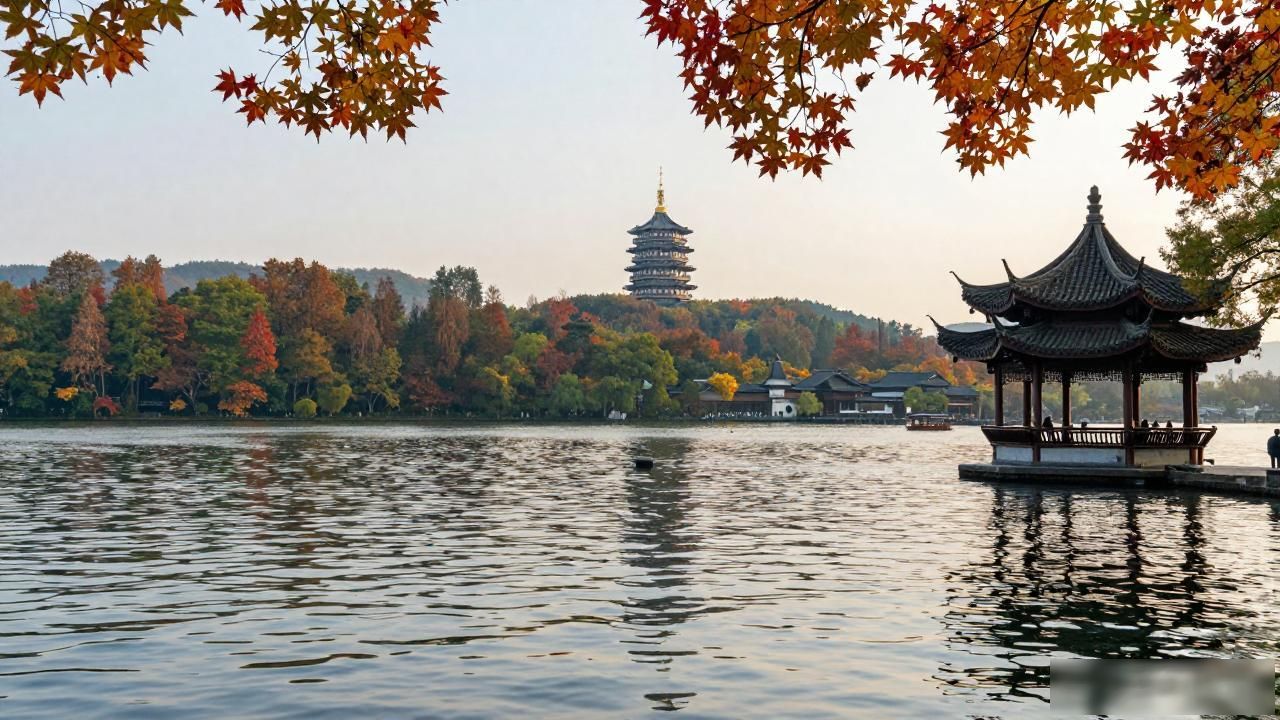
Hangzhou‘s natural beauty is a harmonious blend of shimmering lakes,rolling tea hills, and misty forests that have inspired poets for centuries. Visitors often describe the city as a living ink-wash painting, where water and stone对话 across time. Beyond the famous West Lake, the area offers a tapestry of ecological richness and tranquil escape, perfect for travelers seeking authentic Asian landscapes.
What makes Hangzhou natural beauty unique?

West Lake is not merely a body of water; it is a cultural artifact shaped by millennia of human reverence. The surrounding causeways, pagodas, and gardens were intentionally designed to frame the natural scenery, creating a seamless dialogue between nature and art. The lake’s seasonal transformations—plum blossoms in spring, lotus in summer, osmanthus in autumn—give each visit a distinct personality. This intentional yet subtle human touch sets Hangzhou apart from wilder natural destinations.
Beyond the lake, the nearby hillsides are terraced with emerald green tea fields. Longjing (Dragon Well) tea plantations climb the slopes of Feilai Peak, their neat rows echoing the ancient agricultural wisdom of the region. The air here carries the faint scent of fresh leaves and damp earth, a reminder that Hangzhou’s beauty is also a livelihood.
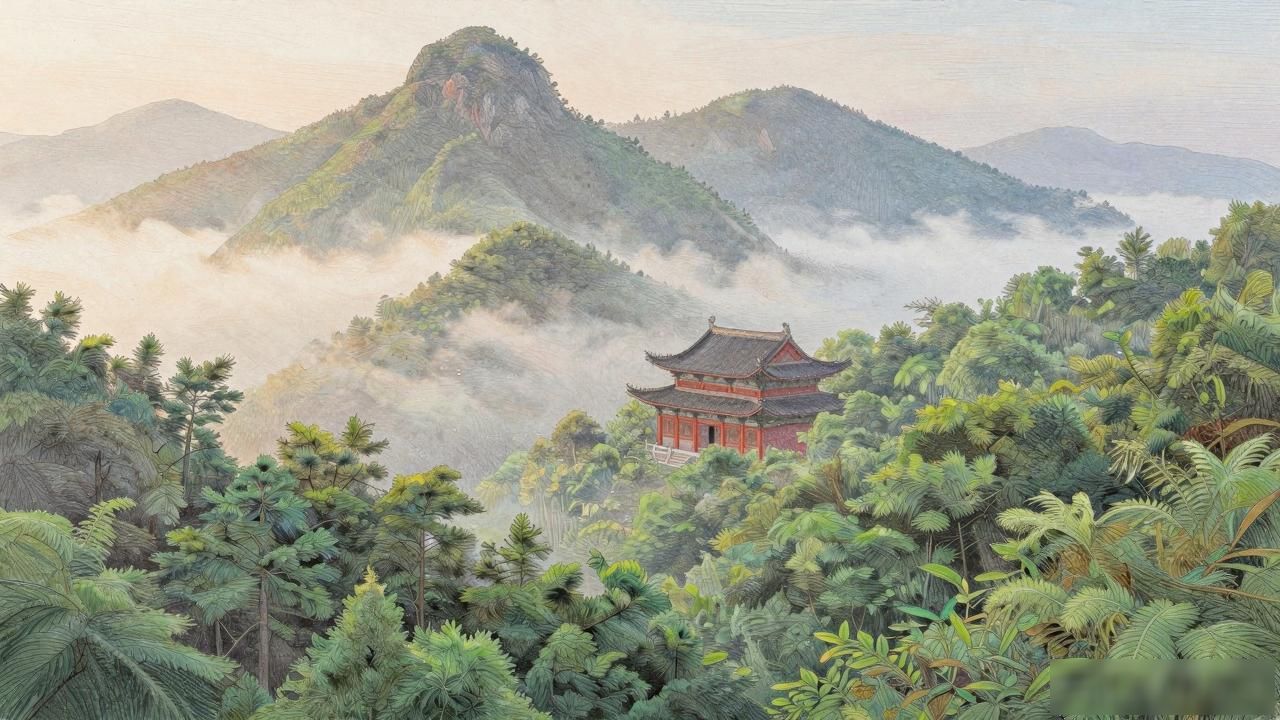
Misty mornings often shroud the distant peaks, turning the landscape into a poetic blur. Local folklore says these mountains hide immortal beings, a belief that has preserved the forests from overdevelopment. This spiritual connection to nature remains visible in the small Buddhist temples nestled among pines, where monks still chant at dawn.
Where to find Hangzhou natural beauty?
West Lake remains the essential starting point, but wandering beyond its main path reveals quieter chapters. Cycling along the western shore or taking a rowboat toward Three Pools Mirroring the Moon offers views that feel both grand and intimate. Early morning visits before 8 AM allow you to witness tai chi groups and fishermen on the water, moments that define the local rhythm.
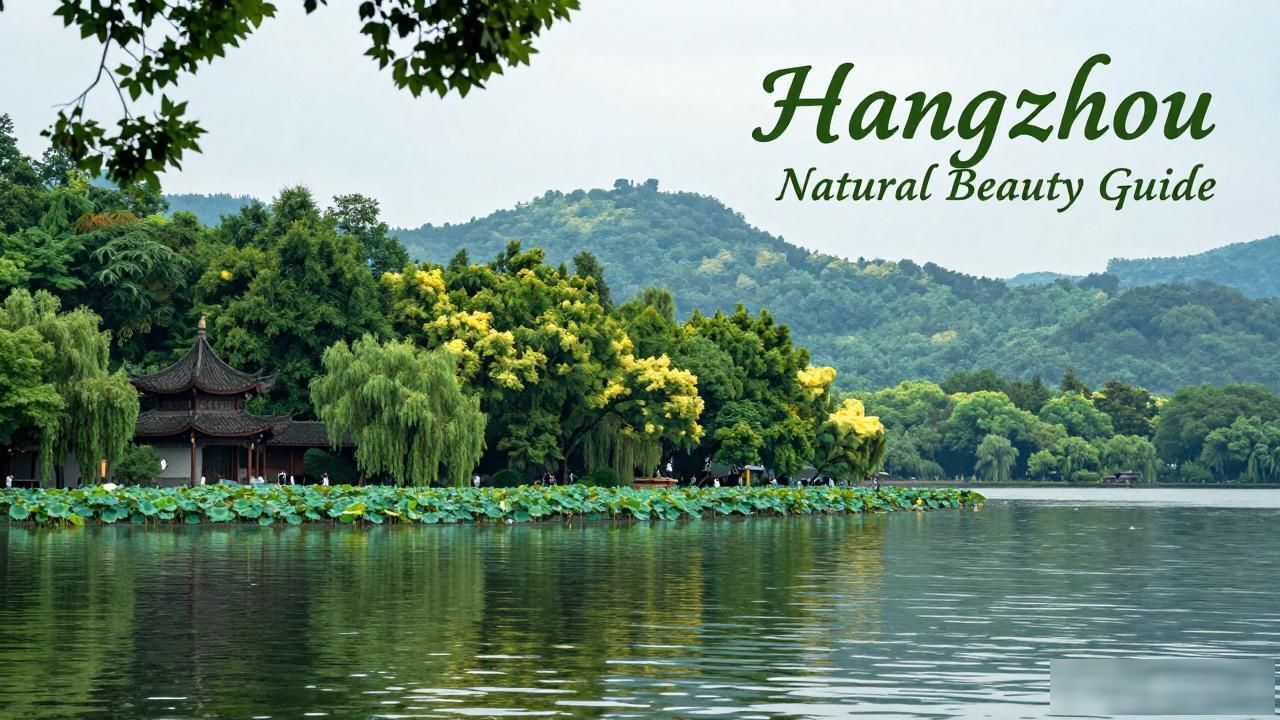
Just north of the city, Xixi National Wetland Park is a labyrinth of waterways and reed beds. Once a rural hinterland, it now serves as a crucial habitat for migratory birds and a refuge for those who want to see Hangzhou’s water systems in their raw form. Boat rides through narrow channels feel like entering a forgotten world.
For a deeper immersion, head to the Longjing village area. Here, ancient tea houses serve freshly roasted leaves while bamboo forests sway overhead. A short hike to Lingyin Temple’s surrounding cliffs reveals carved Buddha statues that seem to emerge from the rock itself, blending geology and faith into a single experience. These spots reward slow travel and curiosity.