
When it comes to spring blossom tourism in China, most travelers default to the well-worn paths of Wuchang’s cherry blossoms or the peach orchards of Nanzhuang — places that are undeniably beautiful but now packed with tour groups every March and April. The reality is that China’s vast landscape holds countless blooming destinations that remain quietly overlooked by international visitors. I’ve spent the last decade cycling through Chinese provinces chasing floral seasons, and what I’ve discovered keeps surprising me. The most stunning blossoms aren’t always the ones plastered across postcards.
What Are the Best Spring Blossom Destinations in China for Foreign Travelers

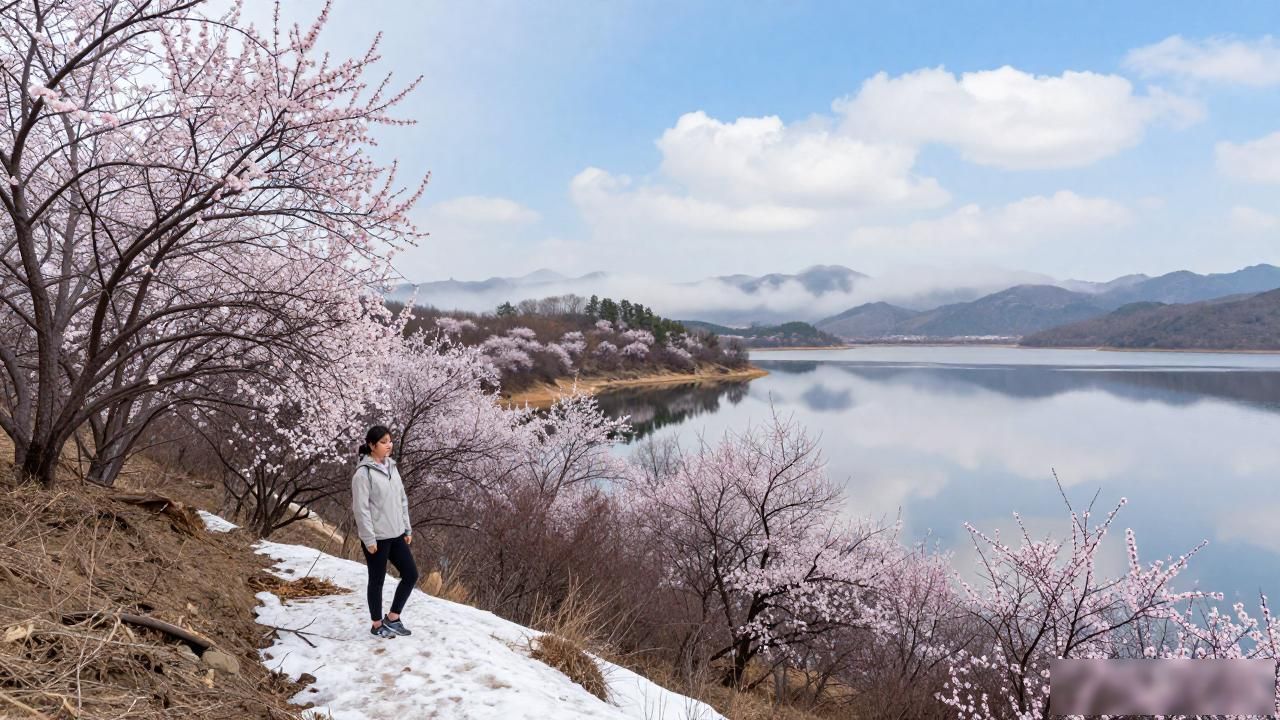
Let’s start with Jingpo Lake in Heilongjiang Province, far up in China’s northeast near the Russian border. Most people assume this region is still buried under ice in March, but here’s the thing — the lake’s surrounding hills burst into life with wild apricot and cherry blossoms in late April. The scene is utterly unlike anything you’ll find in central China. You get delicate pink petals reflecting off the lake’s still waters, with Manchu fishing villages dotting the shoreline. I remember arriving there in 2019 and having the entire blossom hill almost to myself. The air was crisp, the light golden, and the only other faces I saw were a handful of Russian photographers who’d made the same journey.
Then there’s the ancient tea hills of Longjing Village near Hangzhou, which draw crowds for their fame rather than their floral beauty — but venture just thirty minutes east into the Qiandao Lake area and you’ll find hillsides carpeted in magnolia and plum blossoms that absolutely no tour bus has ever reached. The locals here still pick tea by hand using methods unchanged for centuries, and they’ll happily share warm cups of fresh leaf with visitors who show genuine interest. This isn’t staged hospitality — it’s real rural warmth that you simply won’t find at any ticketed scenic area.
Where to Find Plum Blossoms Beyond Traditional Scenic Spots
Wuhan’s Eastern Lake Cherry Blossom Garden gets relentlessly flooded with visitors each spring, and while it’s spectacular, the experience often feels more like a festival crowd than a quiet walk among flowers. Far to the west, in the Yunnan province near the border with Myanmar, the town of Gongshan sits in a deep river valley where wild plum trees grow along steep mountain slopes at elevations where most Chinese plum blossom spots simply cannot survive. The blossoms here appear in May rather than March, giving you a second chance to witness the season if you’ve already seen the mainstream spots.
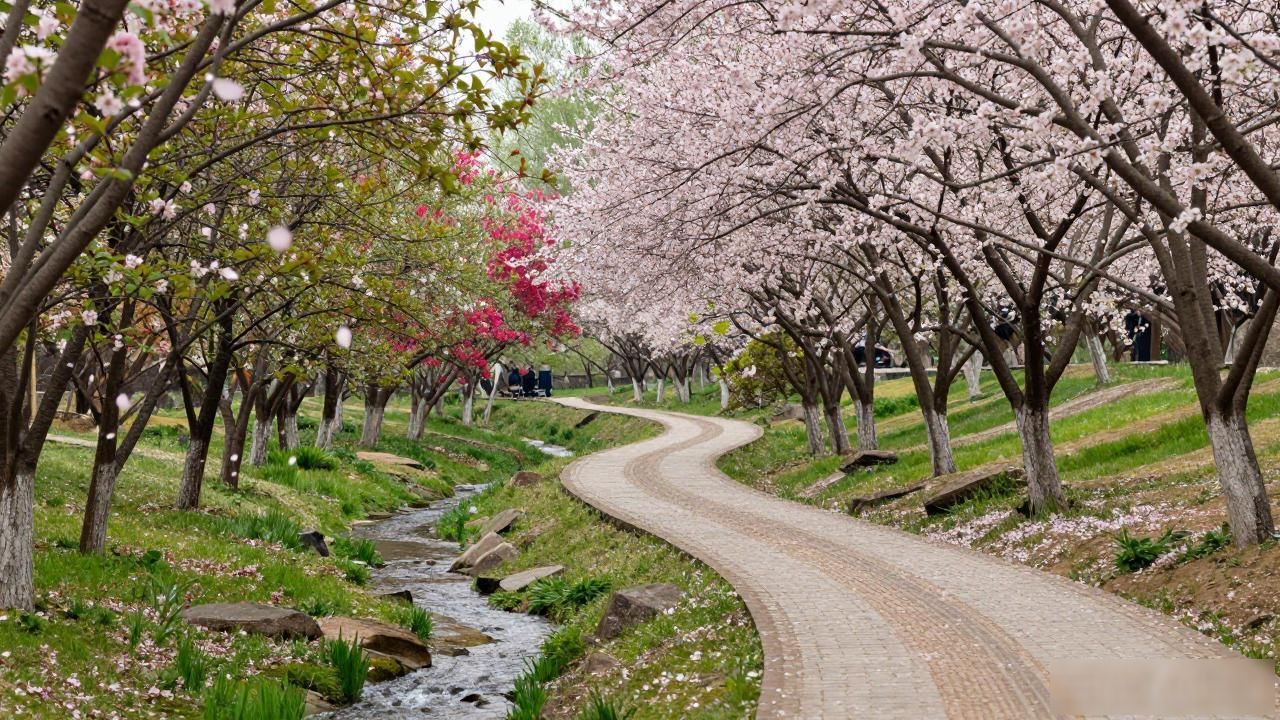
The Nu River Gorge area offers something else entirely — a landscape where Tibetan Buddhist monasteries perch on cliffs above rapids, and the valley floor below is lined with ancient plum and apple trees in full bloom. I visited in early May with a small group of local guides, and we stopped at a village where an elderly Naxi woman showed us how her ancestors had cultivated these trees for over two hundred years. She didn’t speak a word of English, and I managed perhaps ten words of Mandarin, but we spent an hour together among the blossoms without needing language at all.
China’s blossom season stretches from south to north and from sea level to high altitude, meaning there’s almost always somewhere quiet and breathtakingly beautiful waiting just off the beaten path. The trick is simply willing to look beyond the guidebook recommendations and accept that the best moments usually belong to those who wander a little further.