
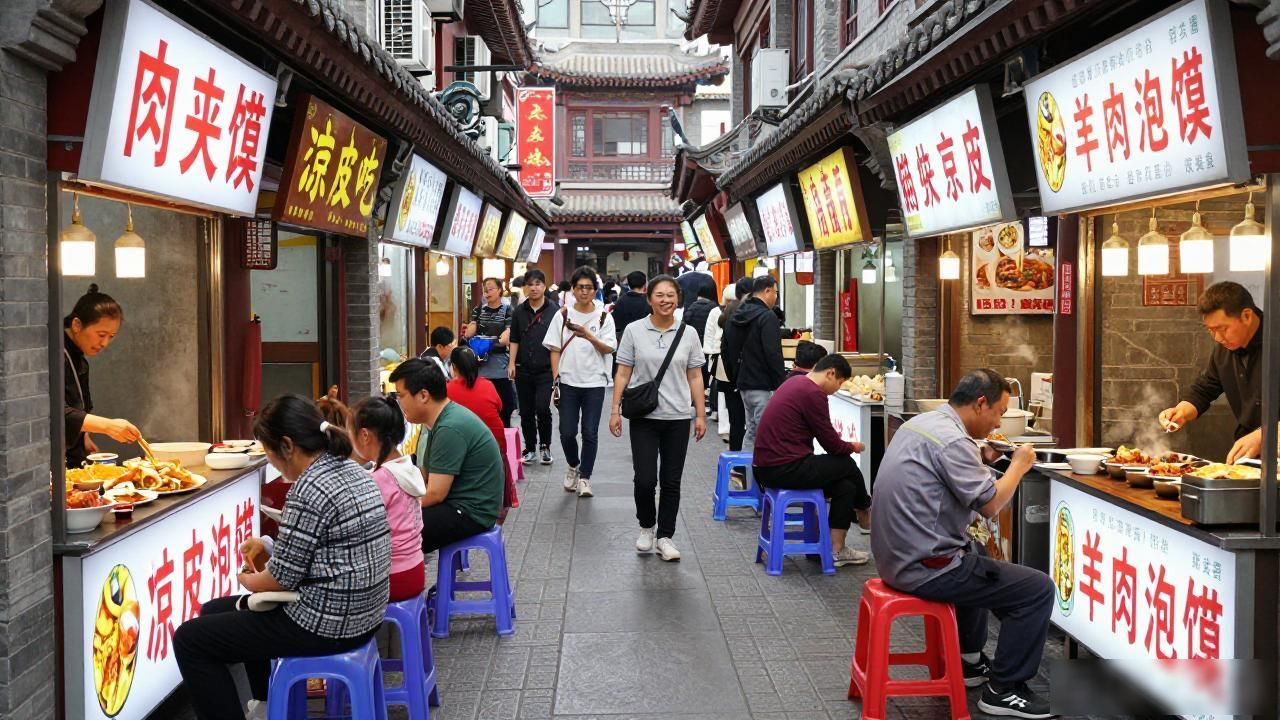
As someone who has spent years exploring the culinary heart of Xi’an, I’ve learned that this ancient city is much more than historical landmarks and the Terracotta Army—it’s a food lover’s paradise waiting to be discovered. Food tours in Xi’an offer an authentic gateway into Chinese culture, where every street corner hides centuries-old recipes passed down through generations. The city’s famous noodles, flaky pastries, and aromatic lamb dishes tell stories of the Silk Road,and tasting them is like chewing on history itself.
What Makes Xi’an Street Food Unique?
Walking through the Muslim Quarter at dawn transforms everything you thought you knew about Chinese cuisine. Here, the air carries the scent of cumin and chili oil mixed with freshly baked bread. The influence of Central Asian traders who traveled the ancient Silk Road is evident in nearly every dish, from lamb-heavy specialties to hand-pulled noodles that stretch impossibly thin.

Street vendors line the narrow alleys, each claiming to make the best version of a particular dish. The beauty of Xi’an’s food scene is that it refuses to conform to sanitized restaurant standards. You’ll find families eating on plastic stools, workers grabbing quick bites between shifts, and young people photographing their meals before diving in. Every stall has been operating for decades, often run by the same family since the 1950s.
The city’s dough-based foods deserve special attention. Roujiamo, often called China’s first hamburger, features tender slow-cooked pork stuffed inside a crispy flatbread. Paomo requires diners to tear bread into small pieces themselves before the kitchen adds lamb soup—a participatory experience that makes every meal memorable. Biangbiang noodles, with their wide ribbon-like shape and mysterious character name, represent the playful creativity of local cooks.
Where Should You Start Your Food Tour?
The Muslim Quarter along Yanxiang Fang Street remains the undisputed center of Xi’an’s street food culture, but seasoned visitors know to venture slightly beyond its main drag. The side alleys branching off the central walkway often house older, more established vendors who have resisted opening shops in expensive locations. A twenty-minute walk north toward Dapi Yuan leads to stalls that locals favor over tourist-heavy spots.
Dinner time between 6 PM and 9 PM delivers the most vibrant atmosphere, though breakfast around 7 AM offers equally rewarding experiences. Early morning reveals a different side of Xi’an’s food culture, where workers and retirees gather for simple bowls of soup and warm flatbread before starting their day.
How Much Should You Budget for a Food Tour?
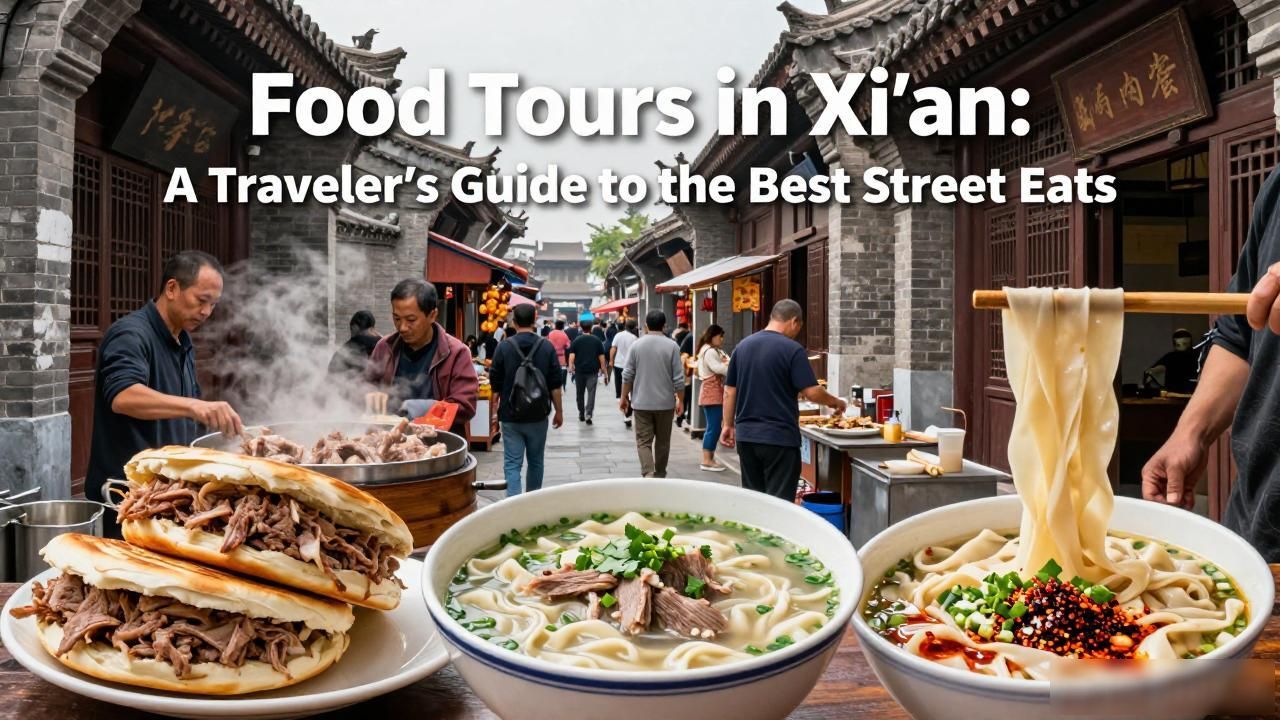
Xi’an remains remarkably affordable for food enthusiasts compared to other major Chinese cities. Street food typically costs between three to ten yuan per item, making it possible to sample dozens of different dishes in a single evening without breaking the bank. A generous dinner for two people, complete with multiple courses and drinks, rarely exceeds fifty dollars at local establishments.
Mid-range restaurants serving regional specialties range from fifteen to thirty dollars per person, while high-end dining experiences can reach forty to sixty dollars. Most travelers find that spending thirty to fifty dollars daily on food allows for an excellent mix of street snacks and sit-down meals throughout their stay.
Learning basic Mandarin food vocabulary significantly enhances the experience, though many vendors in tourist areas understand enough English to take orders. Tipping is not customary in China, so the prices displayed are the prices you pay. Cash remains king at street stalls, though digital payment methods like WeChat Pay are widely accepted even at modest vendors.