
West Lake in Hangzhou has been charming visitors for over a thousand years, and it is easy to see why. This UNESCO World Heritage site sits at the heart of one of China’s most beautiful cities, offering a perfect blend of natural scenery, ancient temples, and poetic gardens. Whether you are a first-time visitor or returning for a second look, the lake and its surroundings hold endless surprises. I have spent years exploring every corner of this area, and I want to share what makes it truly special.
What are the must-see spots at West Lake Hangzhou
The Broken Bridge is probably the most famous spot in the entire area. This picturesque stone arch connects the northern shore to an island and gains its name from an old legend about a white snake spirit. In winter, when snow covers the bridge but the surrounding ground stays bare,the visual effect is absolutely stunning. The bridge becomes a living painting that has inspired Chinese artists for centuries.

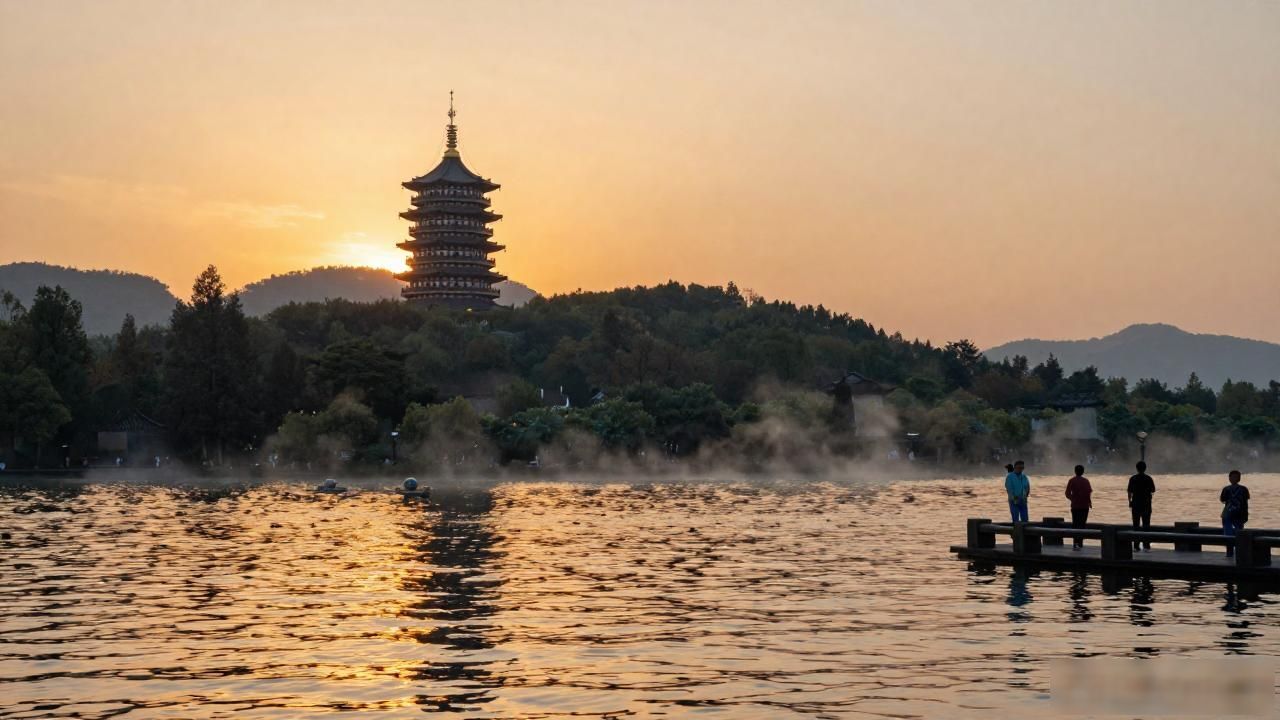
Walking along the western shore, you will encounter the Leifeng Pagoda. This five-story tower was originally built in 975 AD and has been rebuilt several times after wars and natural disasters. The current structure offers panoramic views of the entire lake, and visiting at sunset is something I personally recommend. The golden light reflecting off the water creates a scene that photography can barely capture.
Another essential stop is the Three Pools Mirroring the Moon. This iconic image appears on the Chinese one-yuan banknote, and seeing it in person is a memorable experience. The three stone pagodas sit in the western part of the lake and are best appreciated from a boat ride. During the Mid-Autumn Festival, lanterns placed inside the pagodas create a magical atmosphere that draws thousands of visitors each year.
How to explore West Lake Hangzhou like a local
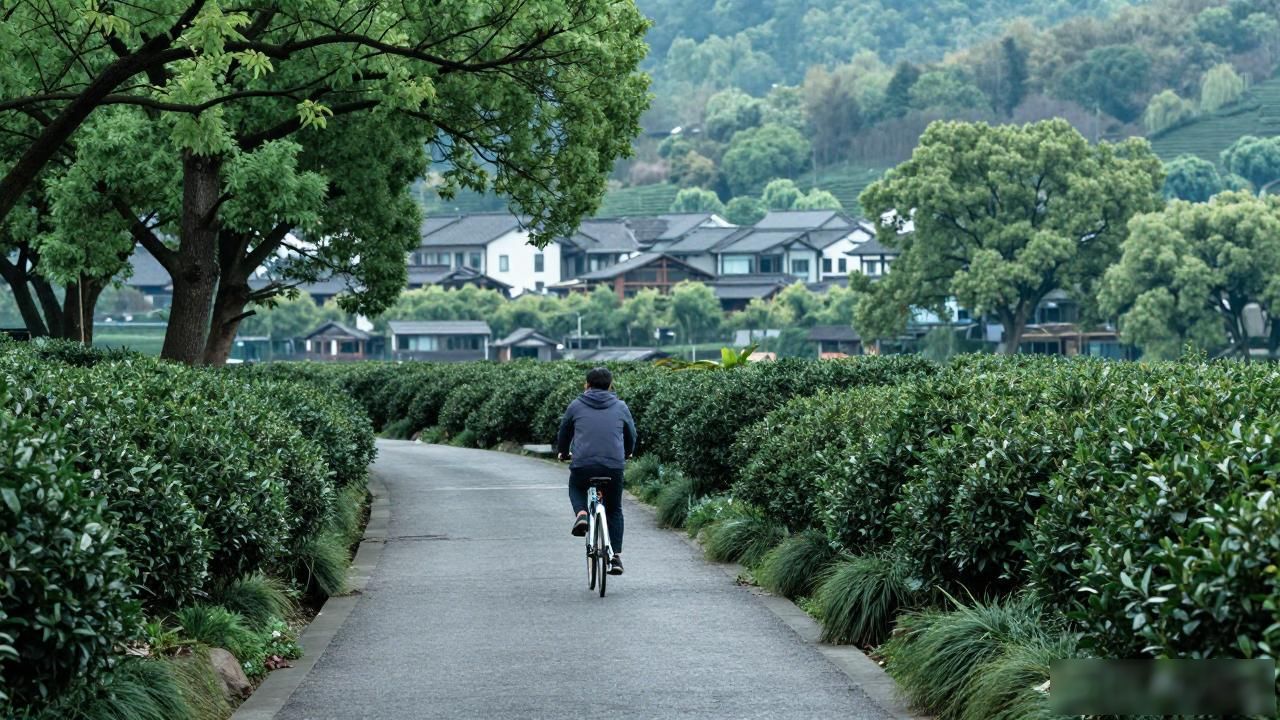
Most tourists stick to the main path around the lake, but the real magic happens when you venture off the beaten track. I always suggest renting a bicycle and following the smaller roads that wind through tea plantations and fishing villages. The southern shore is particularly peaceful, with fewer crowds and more authentic local life. You will see residents practicing tai chi at dawn and women washing clothes in the traditional way.
Boat rides are essential for understanding the full scope of the lake. A thirty-minute ride costs about eighty yuan and takes you past several small islands. The rowboat experience with a local boatman is even better, as they often share stories and historical details that you will never find in guidebooks. These personal encounters transform a simple sightseeing trip into something far more meaningful.
If you have extra time, consider staying overnight near the lake. Morning visits before the tour buses arrive are incredibly peaceful. The mist rising off the water at sunrise creates an ethereal quality that most visitors never get to experience. I have lost count of how many times I have watched the early morning light transform the lake into something almost otherworldly.
When is the best time to visit West Lake Hangzhou
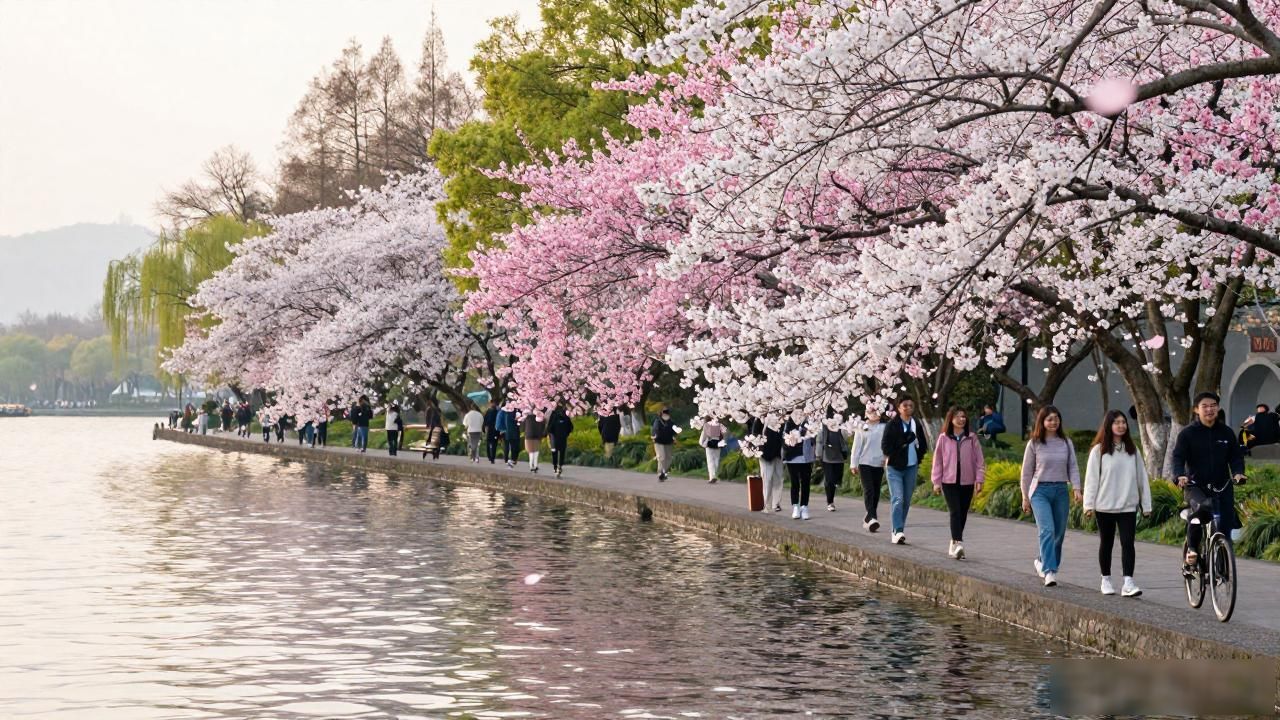
Spring and autumn are universally considered the best seasons, but each time of year offers something unique. March and April bring blooming peach and cherry blossoms along the lakeshore. The mild temperatures make walking and cycling particularly pleasant. Summer can be hot and humid, but the lotus flowers in full bloom are worth enduring the heat. The massive lotus leaves and colorful flowers create one of the most photographed scenes in all of China.
Winter is the quietest season, with fewer tourists and a certain stark beauty that appeals to those who appreciate solitude. Snow on the Broken Bridge is rare but magical when it happens. The cold weather also means lower hotel prices and shorter lines at popular attractions. If you do not mind a chill, January and February offer a different perspective on this timeless landscape.
Rain is actually a gift at West Lake. The misty conditions soften the outlines of distant hills and create an atmosphere that Chinese painters have tried to capture for centuries. Many locals prefer rainy days for their walks because the crowds disappear and the scenery takes on a dreamlike quality. A light drizzle can turn an ordinary visit into something genuinely memorable.