
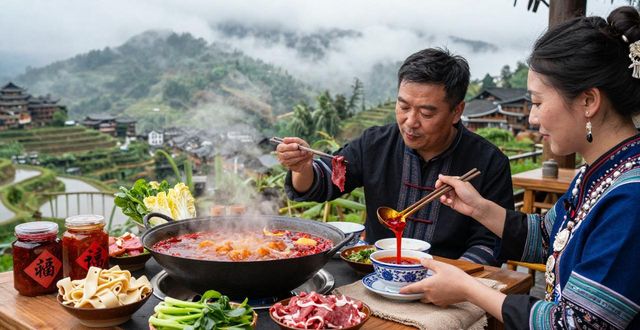
Chinese food is much more than just dumplings and kung pao chicken. A food culture tour across China reveals how geography, history, and local customs have shaped one of the world’s richest culinary traditions. From sizzling street stalls to family banquet tables, every dish tells a story. In this guide, I’ll walk you through the must-know regions, eating etiquette, and hidden gems so you can truly taste the soul of China.
What makes Chinese food so diverse

China’s vast landscape creates dramatically different flavors. In the humid southwest, Sichuan and Hunan use bold chilies and fermented beans to fight humidity, giving birth to numbingly spicy hot pots and smoked meats. The coastal east, like Jiangsu and Zhejiang, favors fresh seafood and gentle sweet-and-sour notes, with delicate preparations like West Lake vinegar fish. Northern wheat-growing provinces, from Beijing to Inner Mongolia, excel in noodles, dumplings, and lamb skewers, reflecting the hearty needs of cold winters. Meanwhile, the tropical south, especially Guangdong, celebrates light steaming and subtle seasonings to highlight natural sweetness. This diversity means no two meals are ever the same, and a single province can feel like a different country on your plate.
How to eat like a local in China
Forget fancy restaurants at first. Real Chinese food culture thrives on bustling streets and in tiny family-run holes-in-the-wall. Start your morning at a local “baozi” shop – steam baskets filled with fluffy pork buns or sweet red bean paste, costing less than a dollar. At lunch, join the queue at a “xiaochi” stall for hand-pulled noodles made right before your eyes. Always observe how locals order: they point, smile, and often share tables with strangers. Learn two phrases: “zhè ge” (this one) and “xiè xie” (thank you). Avoid busy tourist spots; instead, walk into alleys where you hear clanking woks and see grandmas cooking. If a place has a long line of office workers, it’s gold. And don’t shy away from spicy – start small, drink soy milk or yogurt to cool down, and trust your taste buds.
Where to find the best street food
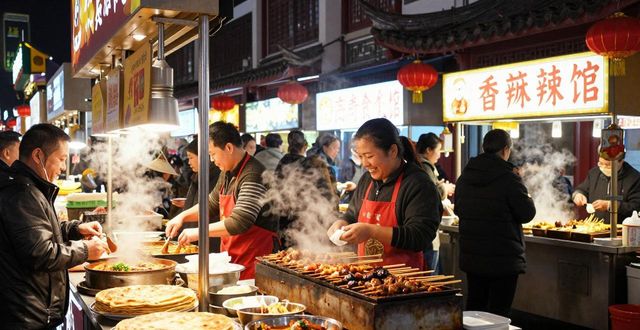
Every city has its own street food signature, but three places stand out for any food culture tour. Xi’an’s Muslim Quarter explodes with aromas of cumin-dusted lamb skewers,crumbly “roujiamo” (Chinese hamburger), and cold sour noodles. The night market in Chengdu offers skewers swimming in chili oil, “dan dan” noodles with crushed peanuts, and silky tofu pudding topped with hot sauce. For something sweeter, head to Hong Kong’s Temple Street Night Market: egg waffles, curry fish balls, and ginger milk curd will satisfy any craving. But don’t stop there. Harbin’s Russian-influenced bakeries, Shanghai’s soup dumpling lanes, and Kunming’s wild mushroom stalls all deserve a visit. Always watch for cleanliness – choose stalls with high turnover and locals eating. And bring wet wipes; street food is meant to be eaten with your hands or chopsticks, not fussy utensils.
Why food is the heart of Chinese culture
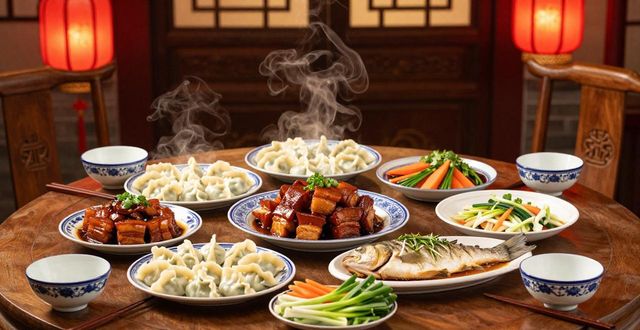
In China, “ni chi le ma?” (have you eaten yet?) is a daily greeting, not a real question about hunger. Meals are moments to bond with family, celebrate festivals, and show respect. During Lunar New Year, fish symbolizes surplus, long noodles represent longevity, and round glutinous rice balls stand for family togetherness. At a business dinner, the host orders for everyone, and you never stick chopsticks upright in rice – that resembles funeral incense. Even simple dishes like stir-fried greens carry meaning: a balance of yin and yang through ingredients. Understanding these traditions turns eating into a deeper cultural experience. When you share a hot pot, you’re not just cooking meat – you’re practicing harmony and generosity. So take your time, ask questions, and let every bite connect you to thousands of years of history.
What’s the first Chinese dish you would hunt down on a food tour, and why does it call to you? Share your thoughts in the comments – and if this guide helped, give it a like and pass it to a fellow hungry traveler.