

Guiyang, the capital of Guizhou province in southwest China, has quietly become one of the most rewarding destinations for travelers willing to look beyond the usual tourist trail. Nestled among karst mountains and crisscrossed by rivers, this city offers a blend of natural beauty, ethnic minority culture, and food that will change the way you think about Chinese cuisine. If you are planning a trip here, this guide will help you make the most of your time in what locals affectionately call the “Cool City” because of its pleasant summer climate.
What to See in Guiyang
Qianlingshan Park is the place where nature and spirituality meet. Walking through this mountain park, you will encounter ancient temples carved into rock faces, winding stone paths, and the famous Thousand Buddha Caves. The climb is moderate,and the views over the city from the top are worth every step. Arrive early in the morning to avoid the crowds and catch the temple bells ringing across the valley.

Just outside the city center lies the striking Huangguoshu Waterfall, one of the largest and most spectacular waterfalls in all of Asia. The sheer volume of water crashing down during the rainy season is something no photograph can truly capture. You can reach it by a short bus ride or a guided tour, and it easily deserves a full half day of your itinerary.
For a taste of local life, head to the Qingyan Ancient Town, a well-preserved Ming dynasty settlement about thirty kilometers from downtown Guiyang. Cobblestone streets, old fortification walls, and small family-run eateries give this place an atmosphere that feels untouched by time. Try the local beef noodles here, and you will understand why food is the real highlight of any trip to Guiyang.
Where to Eat in Guiyang
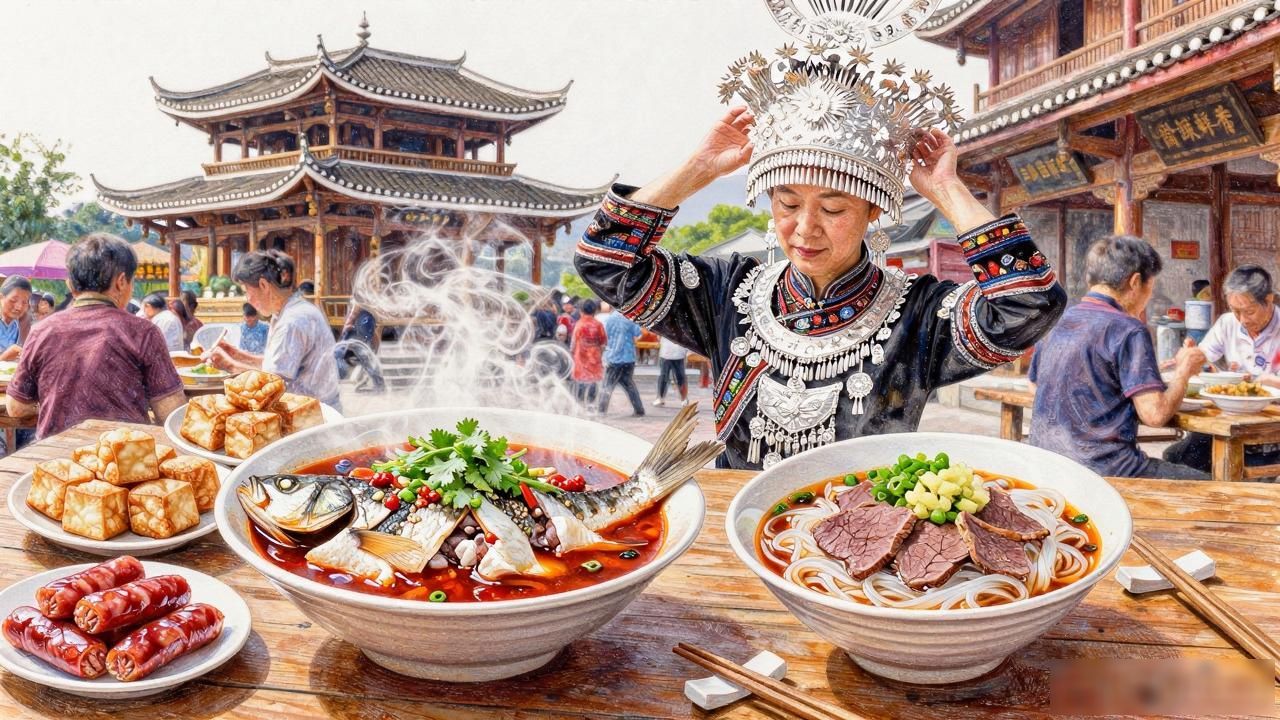
Guiyang food is not for the faint-hearted, and that is exactly why you should come here. The cuisine leans heavily on sour and spicy flavors, shaped by the influence of Miao and Dong ethnic groups who have called this region home for centuries. Every meal is an adventure, and every street corner hides another bowl of something extraordinary.
The most iconic dish you must try is sour soup fish, a broth made from fermented rice and chilies that is both tangy and deeply warming. It is usually cooked tableside in a clay pot, and the experience of watching the cook add fresh river fish to the bubbling pot is part of the fun. Pair it with sticky rice and some pickled vegetables, and you have a meal that will stay with you long after you leave.
Street food in Guiyang is another world entirely. Visit the night markets near Jiaxiu Pavilion and you will find skewers of grilled meat, bowls of cold noodles, and small cups of fermented soybean drink that locals swear by. The spicier the dish, the more popular it tends to be, so do not be shy about asking for extra heat.
How to Get Around and When to Visit
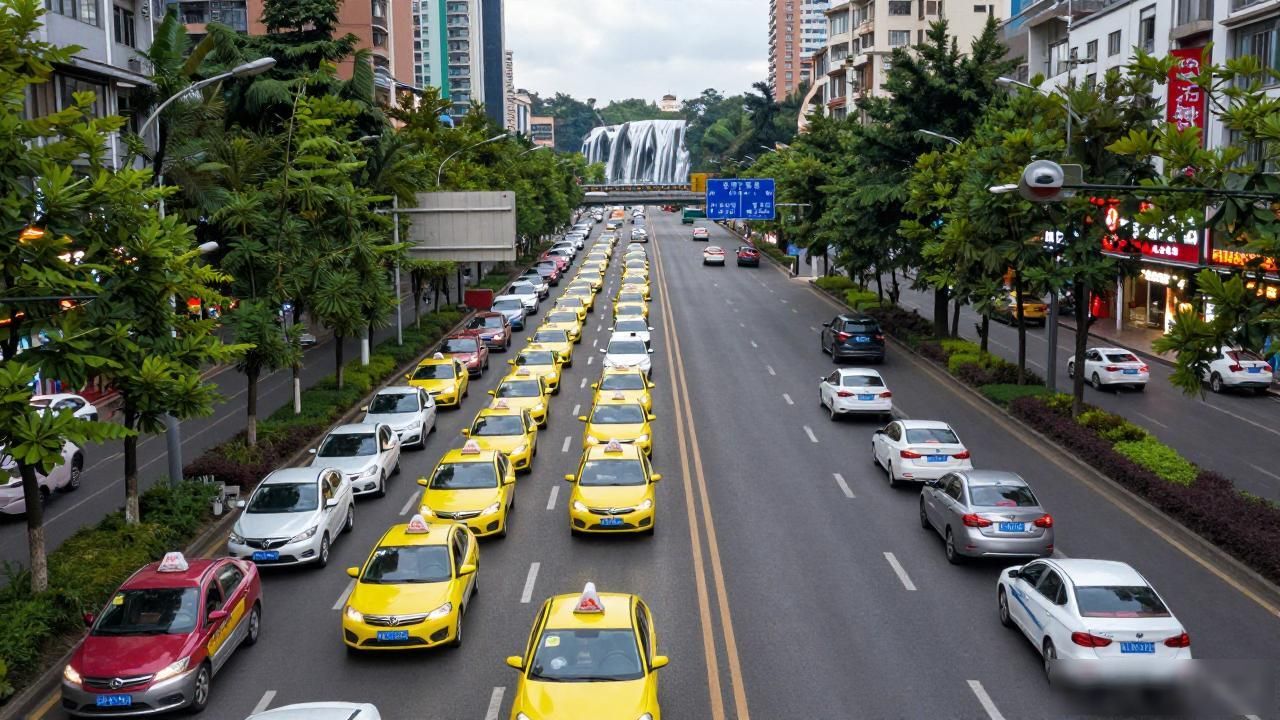
Guiyang is compact enough that most attractions in and around the city can be reached by taxi or ride-hailing apps, which are cheap and reliable. The city also has a growing bus network, though English signage is limited. For trips to Huangguoshu or other natural sites outside the city, booking a day tour through your hotel or a local agency is the simplest option.
The best time to visit is between May and October, when the weather is warm but not humid and the waterfalls are at their most powerful. Summer is peak season, so if you prefer fewer crowds, aim for late spring or early autumn. Pack a light rain jacket regardless of the season, because Guizhou weather is famous for shifting without warning.
Guiyang may not be on every traveler’s radar yet, but that is precisely why it deserves a spot on your list. It is a city that rewards curiosity, offers flavors you will never forget, and wraps everything in a mountain landscape that feels almost otherworldly. Spend a few days here, eat your way through the night markets, and you will leave with stories that most guidebooks will never tell you.