
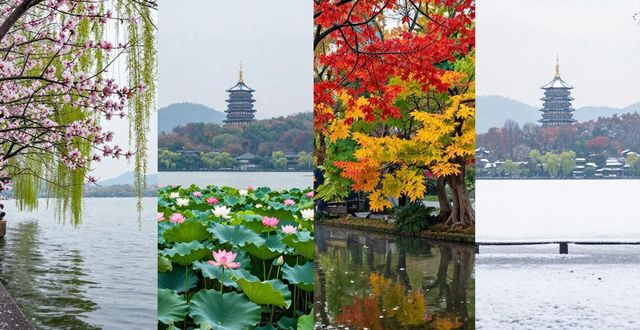
Hangzhou is often called “heaven on earth” for good reason. As a travel writer who has explored this city for years, I can tell you that its mix of natural beauty, ancient temples, and tea culture makes it a top destination in China. While West Lake steals the spotlight, there’s so much more to discover. In this guide, I’ll walk you through the must-see Hangzhou tourism attractions that first-time visitors shouldn’t miss. From peaceful pagodas to bustling tea villages, each spot offers a unique glimpse into Chinese history and daily life. Let’s dive in.
Must-See West Lake
West Lake is the heart of Hangzhou, and no trip here feels complete without circling its calm waters. The lake stretches over six square kilometers, surrounded by willow trees, arched bridges, and ancient pavilions. Rent a bike or simply walk along the Bai and Su causeways, which were built by famous poets centuries ago. On a misty morning, the view of Leifeng Pagoda reflected in the water feels almost magical. Locals come here to practice tai chi or play cards under the shade, giving you a real taste of everyday life.

For a deeper experience, take a traditional wooden boat across the lake. The boatmen often share stories about the legends of West Lake, like the romantic tale of the White Snake. Stop at the island of Three Pools Mirroring the Moon, which appears on the back of China’s one-yuan note. Sunset is the best time to visit, when the sky turns orange and the pagoda lights up. Remember to bring comfortable shoes, as the lake loop is about ten kilometers. Many travelers spend half a day here without getting bored.
Exploring Lingyin Temple
Lingyin Temple, or “Temple of the Soul’s Retreat,” is one of the largest and oldest Buddhist temples in China. It sits in a forested valley just west of West Lake, and its history goes back over 1,600 years. As you walk up the stone path, you’ll pass hundreds of Buddhist rock carvings in Feilai Feng (the “Peak That Flew Here”). These statues date from the 10th to 14th centuries and show smiling Buddhas, fierce guardians, and serene bodhisattvas. The main temple complex includes grand halls with towering golden statues and the scent of incense everywhere.
To make the most of your visit, go early in the morning before tour buses arrive. The entrance fee is around 75 RMB (about $10 USD), which includes access to both the temple and the peak. Inside the Grand Hall, look for the 20-meter-tall statue of Sakyamuni carved from camphor wood. After exploring the temple, you can hike up to the surrounding hills for a panoramic view of the rooftops peeking through the trees. Remember to dress modestly—cover your shoulders and knees—as this is an active place of worship. Many visitors find Lingyin Temple a peaceful escape from the city crowds.
Hangzhou Tea Culture
No visit to Hangzhou is complete without experiencing its famous Longjing (Dragon Well) tea. The rolling tea fields of Longjing Village lie just a 15-minute drive from West Lake, yet they feel like another world. Here, you can walk between rows of bright green tea bushes while local farmers pick leaves by hand. Spring is the best season to come, as you can watch the entire tea-making process, from picking to roasting in a hot wok. Many family-run teahouses welcome visitors to sit down for a tasting, explaining how the best Longjing tea has a nutty, sweet flavor.
For a more immersive experience, hike the Tea Plantation Trail that connects Longjing Village to the nearby Nine Creeks area. The path follows a clear stream and passes through bamboo groves, small bridges, and more tea fields. It’s an easy,flat walk that takes about an hour. At the end, you’ll find the Nine Creeks Pavilion, where you can rest your feet and buy freshly dried tea leaves to take home. Locals believe that drinking Longjing tea helps with digestion and relaxation. Even if you’re not a tea lover, the scenery alone makes this detour worthwhile. Bring cash, as some small vendors don’t accept cards.
Travel Tips for Hangzhou
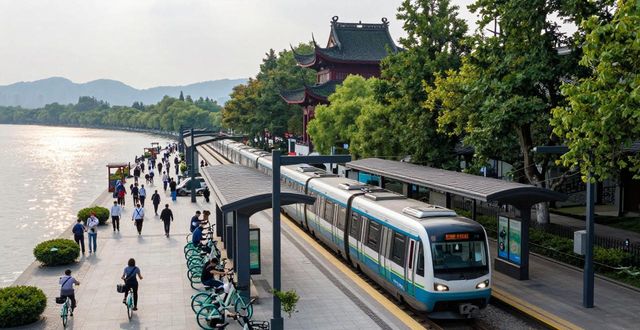
Getting around Hangzhou is easy thanks to its modern metro system and bike-sharing services. The subway now connects the train station to most major attractions, including West Lake and Lingyin Temple. For a more local feel, rent a public bicycle for just one yuan per hour—there are docking stations everywhere. Avoid visiting during China’s national holidays (first week of May and October) when the city gets extremely crowded. Instead, aim for April or September, when the weather is mild and the flowers are blooming. Also, download a translation app like Google Translate or Baidu Translate, as English signs are limited outside the main tourist zones.
Don’t forget to try Hangzhou’s local dishes while you’re here. The most famous is Dongpo pork, a braised fatty pork belly named after a poet, and Sister Song’s fish soup, a tangy broth made with river fish. Both are available at restaurants near Hefang Street, a preserved ancient shopping street. If you have an extra day, take a boat tour on the Grand Canal—the longest and oldest man-made waterway in the world. It’s less crowded than West Lake and offers a different perspective of old Hangzhou. Finally, carry a reusable water bottle; there are free refill stations at most visitor centers.
Have you visited Hangzhou? What was your favorite attraction? Share your experience in the comments below, and don’t forget to like and share this guide with fellow travelers planning their trip!