
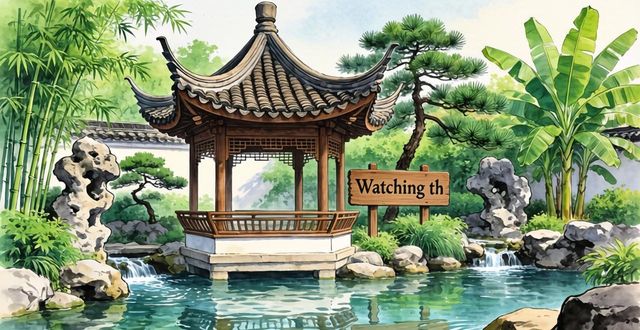
When you think of classical Chinese gardens, Suzhou’s masterpieces immediately come to mind. Among their many elegant features, pavilions stand out as both practical resting spots and profound artistic symbols. These small, open-sided structures are not mere decorations—they are carefully placed to frame views, offer shade, and invite contemplation. In this article, I’ll walk you through what makes these pavilions so special, why they are essential to the garden experience, and how you can appreciate them like a local.
What makes Suzhou garden pavilions unique

Unlike Western garden buildings that often emphasize grandeur, Suzhou pavilions celebrate intimacy with nature. They are usually made of wood and topped with curved,tiled roofs, blending seamlessly into the surrounding rocks, water, and plants. Each pavilion is named poetically, such as “Watching the Lotus Pavilion” or “Listening to Rain Pavilion,” which hints at its intended use. The design follows principles of balance and asymmetry, ensuring that from any angle, the pavilion complements rather than dominates the landscape.
Why are pavilions placed at specific spots
You might notice pavilions perched on hilltops, beside ponds, or hidden among bamboo groves. This is no accident. Garden designers in the Ming and Qing dynasties used pavilions as focal points to direct your gaze or as shelters to pause and enjoy a particular scene. For example, a pavilion by the water lets you observe fish and reflections, while one on a mound offers a bird’s-eye view of the entire garden. The placement also serves practical needs—wind protection in winter and cool shade in summer.

How to identify the best pavilions in Suzhou gardens
When visiting famous gardens like the Humble Administrator’s Garden or the Lingering Garden, look for pavilions with distinctive roof shapes: square, hexagonal, or even fan-shaped. Check the calligraphy on the horizontal board—each name tells a story. The Pavilion of Distant Fragrance (Yuan Xiang Tang) in the Humble Administrator’s Garden, for instance, is surrounded by lotus pools, so the “fragrance” refers to lotus blooms carried by the breeze. Another gem is the Fan Pavilion in the Garden of the Master of Nets, which resembles an open hand fan and sits lightly on a rockery, creating a playful contrast.
How do pavilions enhance your garden visit
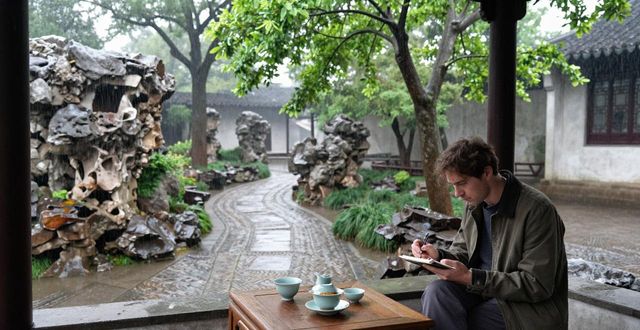
For a foreign traveler, sitting inside a pavilion offers a moment to absorb the garden’s rhythm. Locals often use these spaces for tea, chess, or quiet reading. I recommend bringing a small notebook to sketch the view or jot down your impressions. Try visiting during a light rain—the sound on the tiled roof is magical, exactly as the ancient poets described. By slowing down in a pavilion, you shift from being a passive observer to an active participant in the garden’s living art.
What’s your favorite pavilion memory from a garden you’ve visited, or which Suzhou garden pavilion would you most like to experience? Share your thoughts in the comments, and don’t forget to like and share this article with fellow garden lovers!