
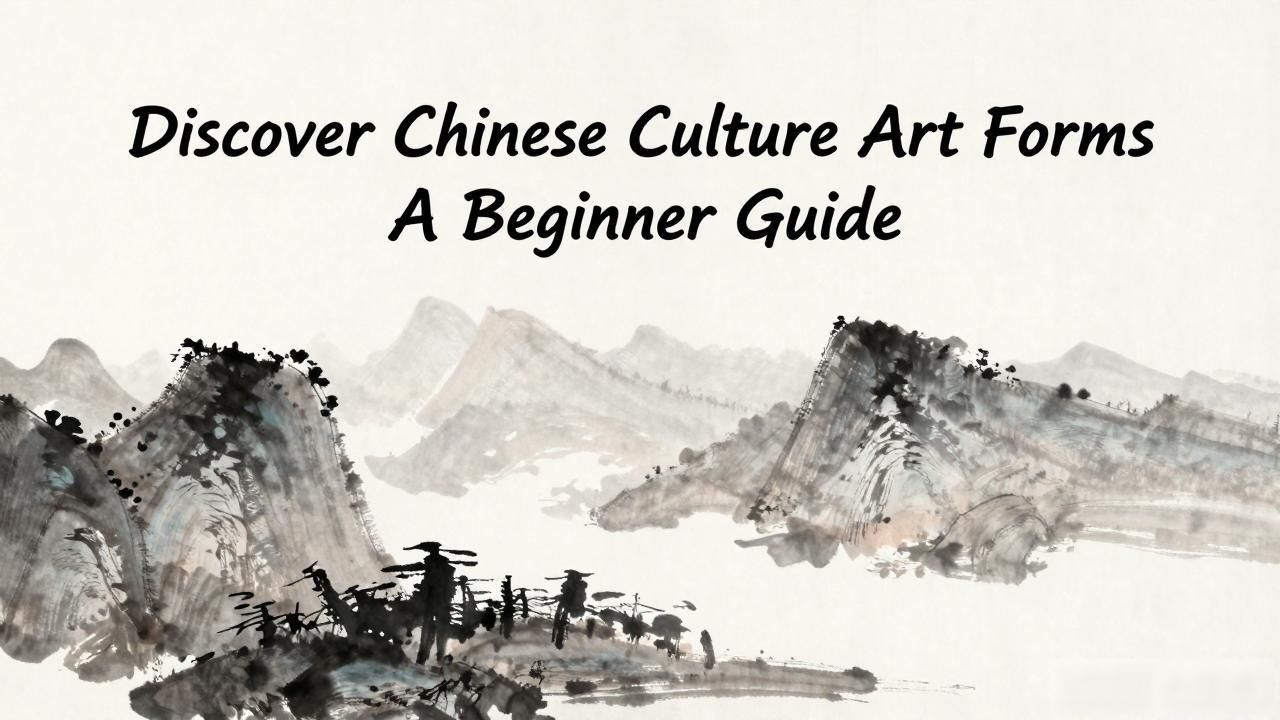
Walking through a Chinese art museum or wandering in an old temple, you notice something different. The energy feels calm, deliberate, almost meditative. Chinese art is not about loud statements or flashy techniques. It carries centuries of philosophy, patience, and a deep connection to nature in every brushstroke and carved detail.
I have spent years exploring these traditions, and what struck me most is how each art form tells a story beyond its visual beauty. The ink paintings,porcelain vases, and paper cuttings all share one thing in common. They reflect a worldview that values harmony over chaos and meaning over decoration.
What Makes Chinese Art Unique

Chinese art does not chase realism the way Western painting often does. A landscape painting is not a photograph of a mountain. It is the artist’s feeling about that mountain, the spiritual essence captured in flowing ink. The blank space on the paper matters as much as the painted area. That empty space represents the universe, the unknown, the breath between thoughts.
This philosophy shows up everywhere. Even in the most intricate embroidery or jade carving, you find restraint. The artist knows when to stop. They leave room for the viewer’s imagination to complete the picture. That is why Chinese art feels alive even after hundreds of years. It invites you in rather than overwhelming you.
How to Appreciate Traditional Chinese Art
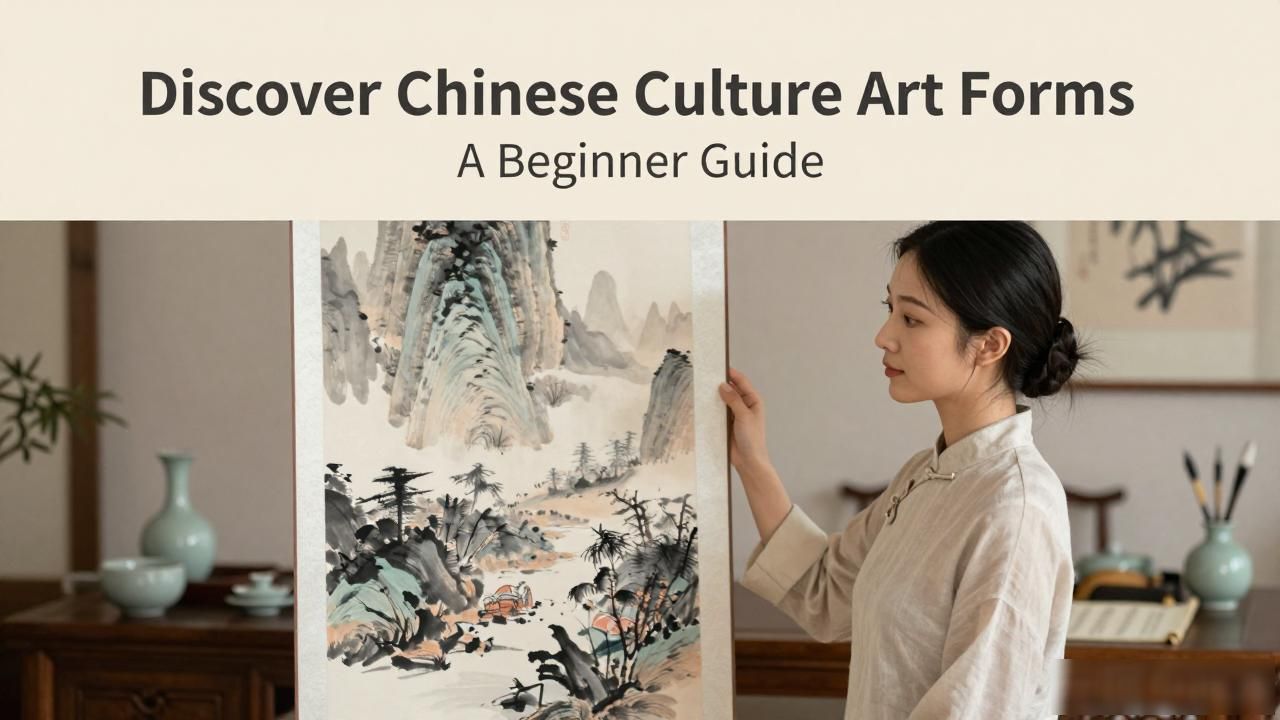
You do not need an art degree to feel moved by Chinese art. Start by slowing down. Stand in front of a scroll painting and let your eyes wander across the surface. Notice how the artist uses light and dark ink to create depth without perspective lines. Feel the rhythm of the brush as it moves across rice paper.
Try learning a few basic Chinese characters through calligraphy practice. You will quickly understand why this art form is considered the highest expression of cultural refinement. The pressure of the brush, the speed of the stroke, the quality of the ink. Each decision reveals something about the artist’s state of mind at that moment.
Why Paper Cutting Still Matters Today
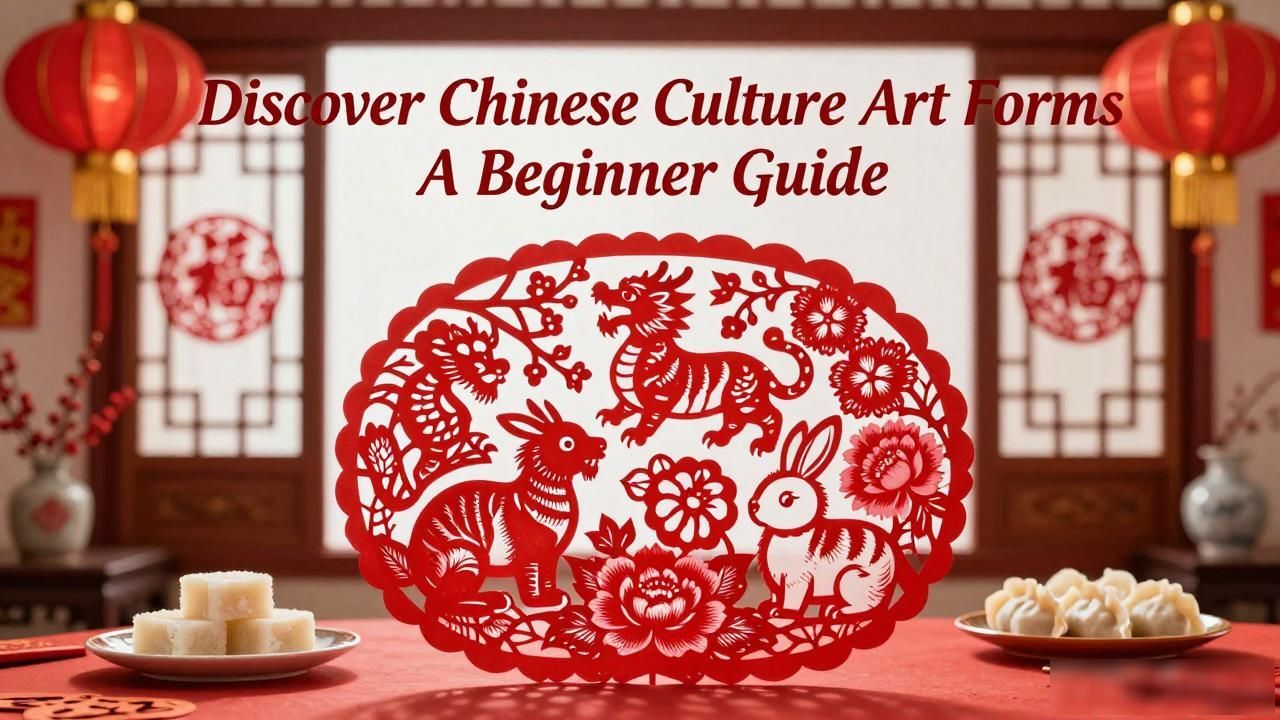
Paper cutting might look simple, but it carries deep cultural weight. Red paper cutouts appear on windows during Spring Festival, symbolizing good fortune and protection. Each pattern tells a story, from zodiac animals to flowers representing prosperity. These designs are not mass produced by machines. They are cut by hand with small scissors, sometimes by elderly artisans who learned the craft from their mothers.
What makes paper cutting remarkable is its accessibility. Anyone can pick up scissors and red paper and begin creating. Yet mastering the technique takes years. The beauty lies in that balance between simplicity and skill. You do not need expensive materials to participate in this tradition. Just patience and a willingness to learn.
Chinese art forms offer something rare in our fast paced world. They ask us to slow down, observe carefully, and find meaning in subtlety. Whether you are looking at a Song dynasty landscape or watching someone fold origami paper into a crane, you are connecting with a living tradition that values mind, hand, and spirit working together.