
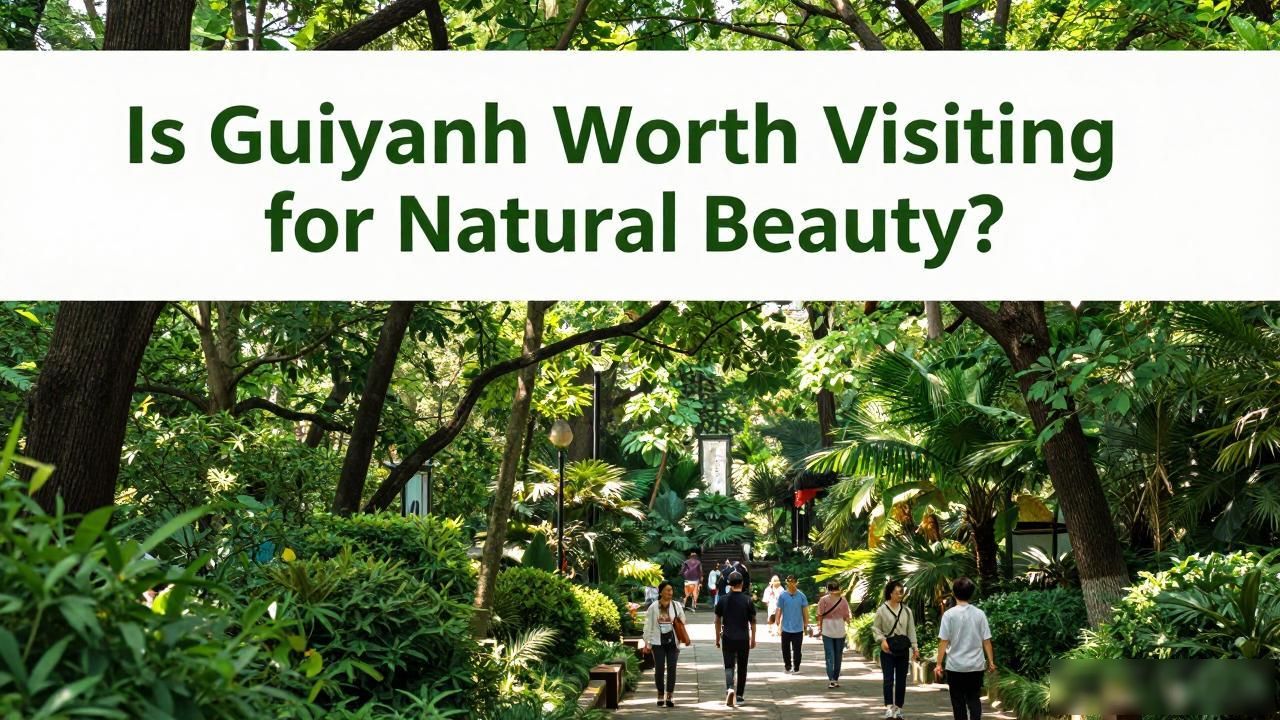
Guiyang sits in southwest China’s Guizhou province, and it is one of those places that most travelers skip entirely. You drive past it on the way to Zhangjiajie or Guilin, and you miss something extraordinary. This city earns the nickname “Forest City” for a reason. Over sixty percent of its administrative area stays covered in trees and vegetation. The air carries a different quality here, cleaner and cooler than the surrounding regions. People who visit once often return, and they come back for the landscape, not the urban attractions.
Why is Guiyang called the Forest City

The greenery around Guiyang is not decorative. It is the defining feature of the entire region. Qianling Mountain rises directly behind the city center, and its forests stretch across thousands of hectares. Walking through those woods in summer feels like stepping into a completely different world. The temperature drops several degrees, and the sound of cicadas fills the air. Locals treat this mountain as their backyard garden, and you will see elderly residents practicing tai chi on stone paths before dawn.
South of the city, Huaxiu Cave opens into a massive karst formation that has been carved by underground rivers over millions of years. The cave system stretches for kilometers, and the guided tours only reveal a fraction of what exists. Stalactites hang from the ceiling like frozen waterfalls, and underground pools reflect the cave lights in ways that look almost artificial. The journey through here requires a small boat ride across a dark river that runs beneath the mountain.
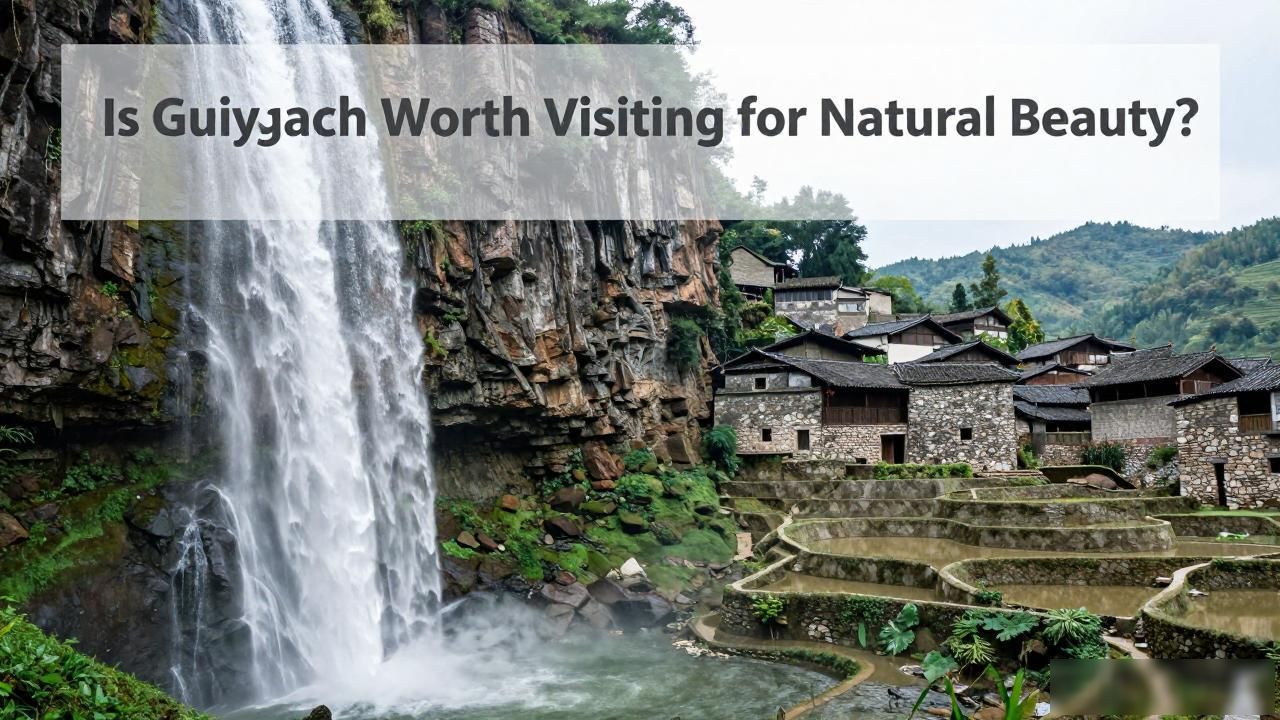
The surrounding countryside holds even more surprises. Waterfalls tumble down limestone cliffs at multiple locations within a short drive from downtown. Tianlong Tunpu is a Ming dynasty fortress village surrounded by terraced fields and old stone walls. The landscape here blends human history with natural beauty in a way that feels seamless rather than forced.
What natural attractions should you visit near Guiyang
The most impressive natural sites require leaving the city proper, but the effort pays off immediately. Zhalonggou Valley lies about two hours away and offers a dramatic canyon experience. The valley walls rise steeply on both sides, and a clear river cuts through the bottom. Hiking trails follow the water at different elevations, and each turn reveals a new perspective on the rock formations. The forest canopy overhead filters sunlight into green patterns on the trail.
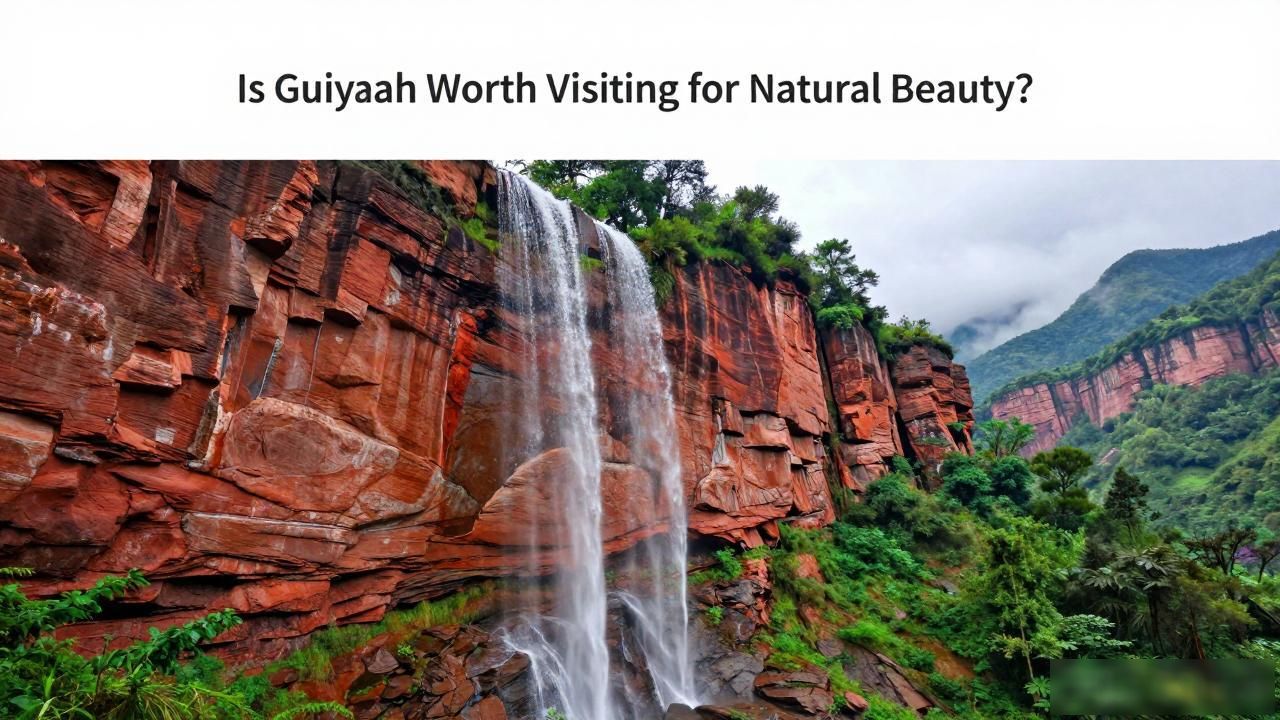
Farther west, Chishui Danxia reveals red sandstone cliffs that look nothing like the green karst landscape around Guiyang. This UNESCO World Heritage site showcases a completely different geological story. The red rocks contrast sharply with the surrounding vegetation, and waterfalls cascade down the cliff faces during the rainy season. The area feels remote and untouched,which is exactly why it has survived development.
For a simpler experience, Dabaoshan Forest Park provides an accessible escape within the city limits. The elevation gain is manageable, and the trail network connects multiple viewpoints. You can reach the summit in under two hours, and the panorama across the city and surrounding hills justifies the climb. Guiyang rewards visitors who prioritize nature over nightlife, and the natural scenery here demands more than a single afternoon to appreciate properly.