
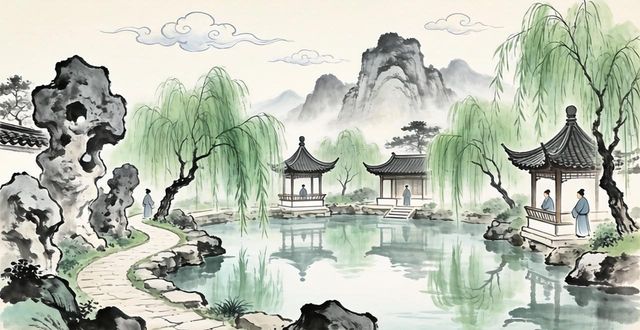
The classical gardens of Suzhou are not merely beautiful landscapes; they are living chronicles of Chinese art, philosophy, and social change. Spanning over two thousand years, these gardens evolved from royal hunting grounds into private retreats for scholars and officials. Their history reflects the shifting tastes of emperors, the ideals of literati, and the technical mastery of garden designers. Understanding this timeline helps visitors appreciate why Suzhou’s gardens are considered a pinnacle of world landscape architecture.
What makes Suzhou gardens unique

Unlike Western formal gardens that emphasize symmetry and control, Suzhou gardens mimic natural scenery in miniature. They use winding paths, irregular ponds, and carefully placed rocks to create a sense of endless discovery. The designers borrowed from Chinese landscape painting, treating each garden as a three-dimensional painting that changes with every step. This philosophy emerged during the Song Dynasty (960–1279), when scholars sought to bring the wild beauty of mountains and rivers into their urban homes. No two gardens are alike, yet all share the same goal: to let visitors feel as if they have escaped into nature.
How did Suzhou gardens evolve over dynasties
The earliest gardens in Suzhou appeared during the Spring and Autumn period (770–476 BCE) as royal hunting parks. But the golden age began in the Ming Dynasty (1368–1644), when wealthy retired officials competed to build the most refined retreats. The Humble Administrator’s Garden, now a UNESCO site, started as a scholar’s residence in 1509. During the Qing Dynasty (1644–1912), gardens became more elaborate, with added pavilions and rockeries. However, many were damaged during the Taiping Rebellion in the 1860s. Restoration efforts in the 20th century, especially after 1949, saved these treasures. Today, nine classical gardens are preserved as UNESCO World Heritage sites, each layer of repair telling a story of resilience.
Who built the classical gardens of Suzhou
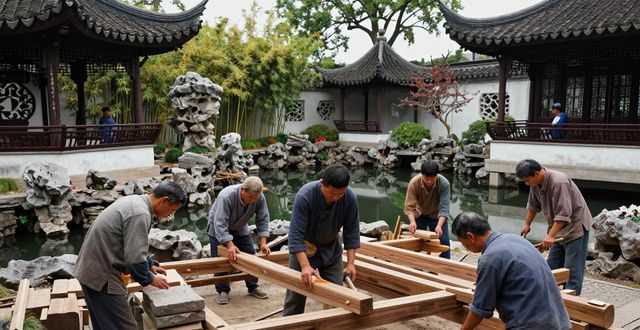
Most Suzhou gardens were commissioned by scholar-officials who had retired from government service. These men, well-versed in poetry, calligraphy, and painting,designed gardens as extensions of their own souls. For example, the Master of Nets Garden was built in 1140 by a retired official named Shi Zhengzhi, who named it after a humble fisherman to express his desire for a simple life. Skilled craftsmen—stone masons, carpenters, and plant specialists—then executed their visions. Garden owners often invited artist friends to inscribe couplets on walls or name pavilions, turning each garden into a collaborative artwork. Understanding their motives helps explain why Suzhou gardens feel deeply personal rather than purely decorative.
Why should you care about Suzhou garden history today
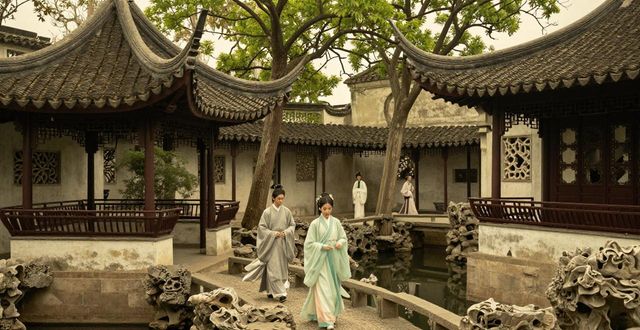
Knowing the history transforms a casual visit into a meaningful dialogue with the past. When you walk through the Lion Grove Garden’s labyrinth of太湖rocks, you are experiencing the same awe felt by Ming Dynasty travelers. When you sit in the Wave Pavilion, you share the quiet contemplation of Qing scholars. This history also inspires modern landscape architects worldwide, from museum courtyards to urban parks. By preserving these gardens, Suzhou offers a blueprint for balancing heritage with tourism. So next time you see a rockery or a moon gate, remember that you are looking at centuries of human creativity.
Have you ever visited a historic garden that made you feel connected to another era, and what details stood out to you the most? Share your thoughts in the comments, and don’t forget to like and share this article with fellow travel lovers!