
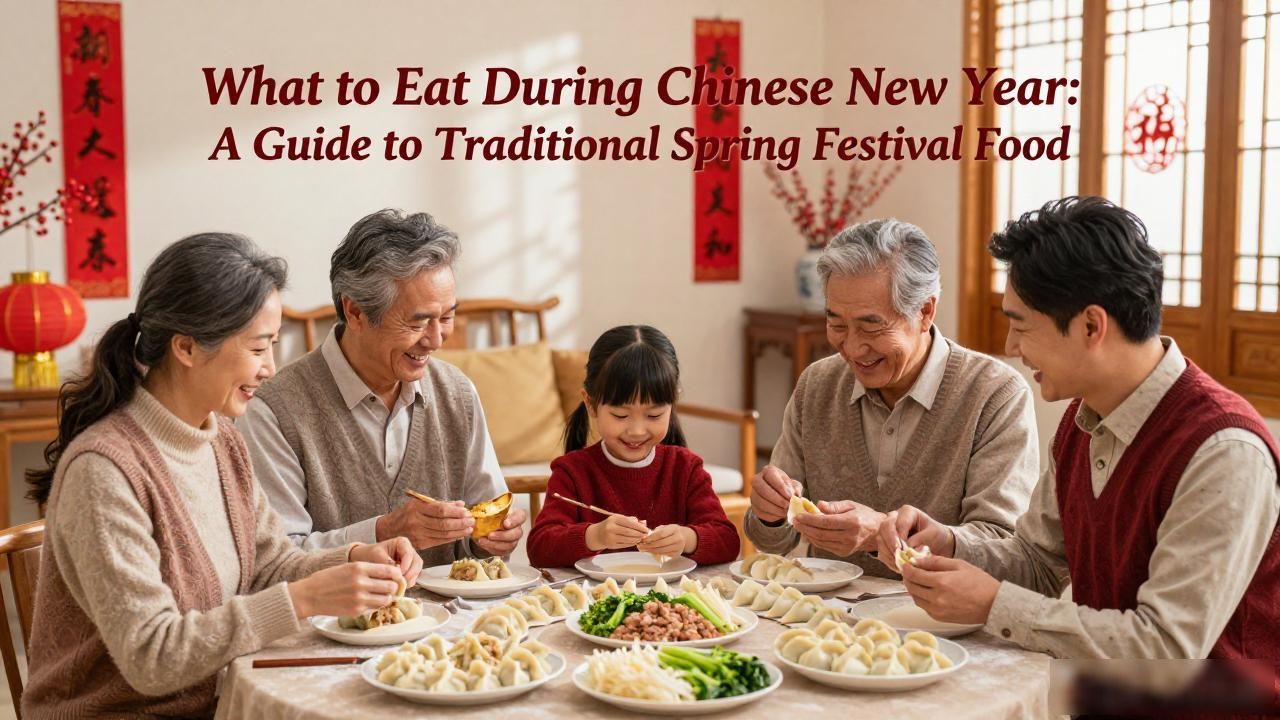
Spring Festival food is more than just a meal; it is a vibrant tapestry of culture, history, and familial love. For many outside China, the Lunar New Year might seem like a blur of red lanterns and firecrackers, but the culinary traditions are the true heart of the celebration. I have spent years observing and participating in these feasts, and I can tell you that every dish tells a story. It is not about perfection on a plate, but about the warmth of sharing and the hope for prosperity in the year ahead. Understanding these foods helps foreigners connect deeper with the spirit of the holiday.
Why Do People Eat Dumplings at Spring Festival?

Dumplings, or jiaozi, are perhaps the most iconic symbol of the Chinese New Year. Their shape resembles ancient gold ingots, which symbolizes wealth and treasure. Families gather together to wrap these parcels of joy. It is a tedious but bonding activity. The filling varies by region—pork and cabbage in the north, shrimp and chives in the south—but the intent remains the same. Eating dumplings on New Year’s Eve ensures that the family will remain close and prosperous.
Many foreigners wonder why they are not eaten every day. It is because they require significant effort to prepare from scratch. This effort is part of the ritual. The act of making them brings generations together. Grandmothers teach granddaughters how to pleat the edges perfectly. These moments are etched into memory. The steam rising from the pot creates an atmosphere of coziness that defines the festival.
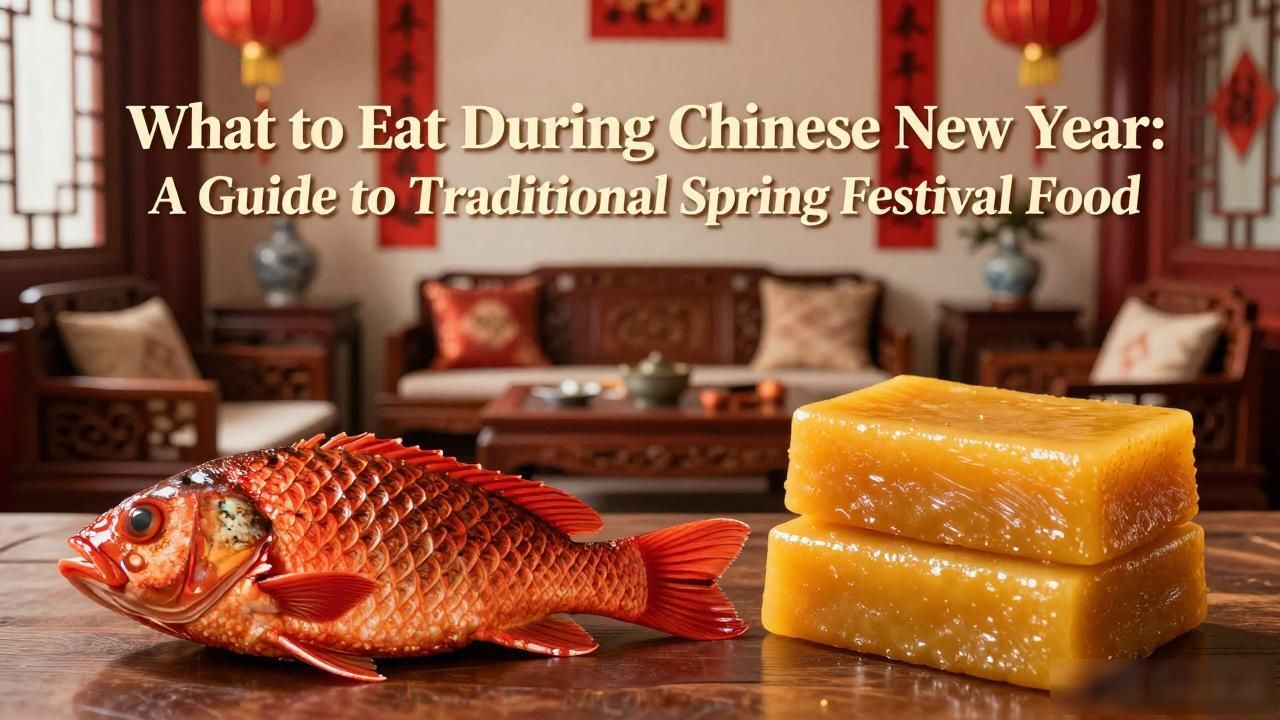
What Is the Significance of Fish and Nian Gao?
Fish is essential because the word for fish, “yu,” sounds like the word for surplus. Eating fish guarantees that there will be leftovers, representing abundance for the coming year. However, tradition dictates that you should not eat the entire fish. Leaving some behind shows that your wealth will overflow. It is a subtle yet powerful message of generosity and future security.
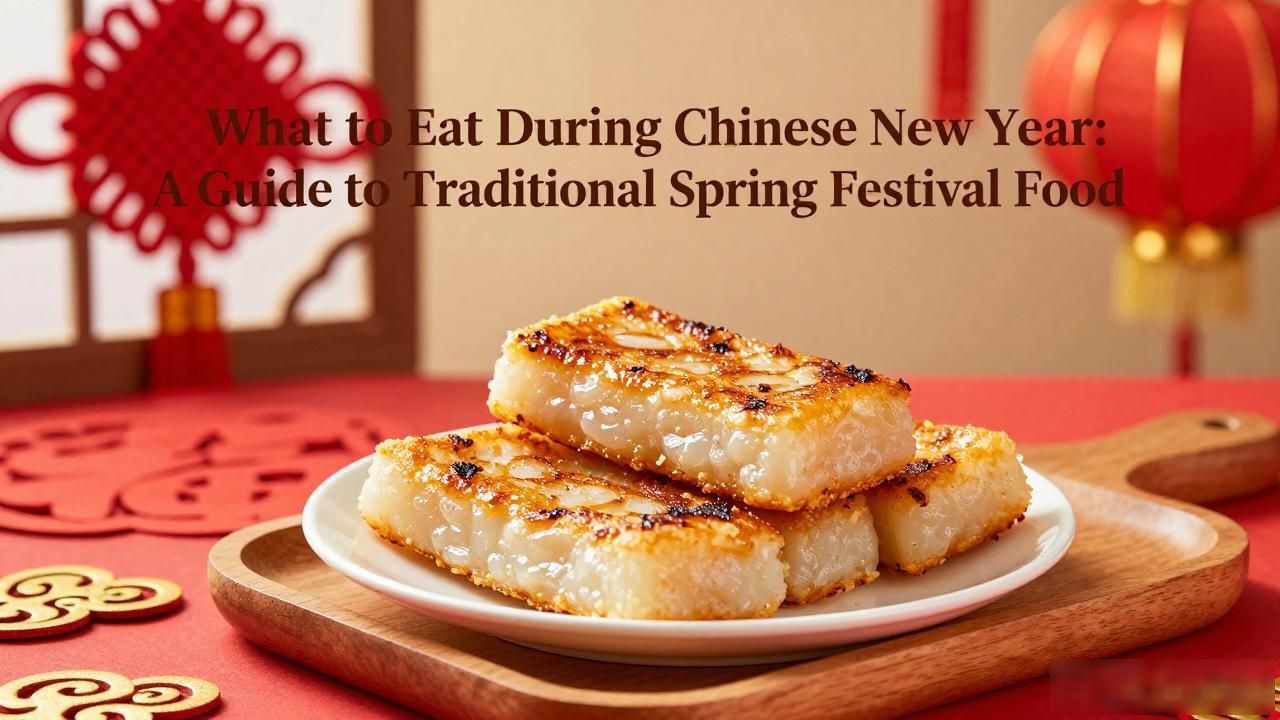
Nian Gao, or sticky rice cake, is another critical component. Its name sounds like “higher year,” implying progress and growth. The texture is chewy and sweet, often fried until crispy. It represents the hope that each year will be better than the last. These dishes are not random choices. They are carefully selected symbols that guide the family’s mindset toward optimism.
The table becomes a canvas of good wishes. Every bite carries a blessing. For those experiencing this for the first time, the flavors are rich and complex. The combination of savory dumplings and sweet cakes creates a balanced feast. It is a sensory experience that lingers long after the fireworks fade. Embracing these traditions allows outsiders to feel the genuine warmth of Chinese hospitality.