
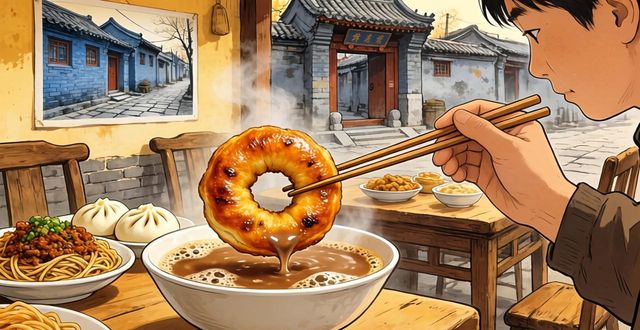
Beijing is not just about the famous Peking duck. The city’s culinary soul hides in humble hutongs and morning markets, offering flavors that challenge and delight adventurous eaters. From fermented mung bean drinks to spicy offal stews, these unique foods tell stories of history, survival, and local pride. Understanding them will transform your trip from sightseeing to truly tasting Beijing.
What is the most challenging unique food in Beijing
Many travelers ask about the “stinky” Beijing food. That would be douzhi, a fermented mung bean milk that smells like strong blue cheese mixed with pickled vegetables. Locals sip it hot with pickled turnip shreds and sesame seeds. The taste is sour, slightly bitter, and oddly refreshing. Do not expect to love it on the first try. Instead, watch how elderly Beijingers enjoy it slowly, and you will appreciate its cultural value.

Douzhi originated from the leftovers of making mung bean noodles. For centuries, common people transformed waste into nourishment. Today, you find it only in traditional breakfast shops near the Bell Tower or in old hutongs. Order it with jiaoquan, a crispy fried dough ring. Dip the ring into douzhi, take a small sip, and let the complex flavor settle. It is an acquired taste, but one that unlocks real Beijing life.
Where to find authentic Beijing offal dishes
Offal is central to Beijing’s working-class food history. The most famous is ludagun, but for real uniqueness, try baodu (quick-fried tripe) and chao gan (stir-fried pork liver and intestine). Baodu is tripe boiled in a special broth for exactly seconds, then dipped in sesame paste, fermented bean curd, and chili oil. The texture is crunchy, not chewy, and the sauce is nutty and rich.
Chao gan, from the Qianmen area, is a thick gravy of pork liver, intestine, and garlic. Do not expect chunks of meat; it is more like a savory porridge with tender organ pieces. Locals eat it with steamed buns or just as a morning bowl. The best spot is the century-old Tianxingju restaurant. Go early before 9 am, as it sells out quickly. These dishes show how Beijingers waste nothing and turn humble parts into delicacies.
Why do Beijingers love fermented and pickled foods
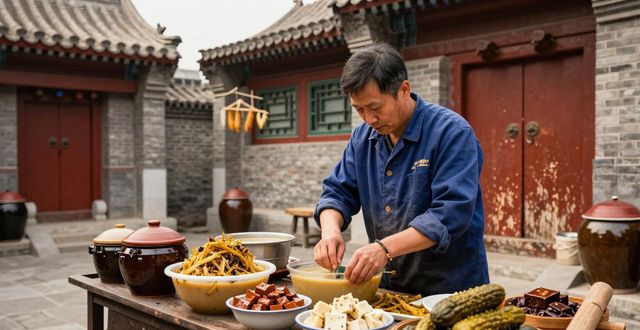
The northern climate and historical food shortages made fermentation essential. Pickled cabbage (suancai) and fermented tofu (furugao) appear in many unique dishes. One standout is majiang shui jiao, dumplings topped with a thick paste of sesame paste, pickled carrot, and vinegar. Another is madowan, a stew of mung bean dregs and pickled vegetables, cooked until it becomes a crumbly, savory paste.
Madowan is often misunderstood. It looks unappealing, gray and rough, but its taste is like a salty, sour, and earthy pudding. Old Beijingers eat it with chili oil and steam bread. The fermentation process creates probiotics and deep umami. This food culture teaches patience and respect for time. For a foreign palate, start with suancai, which is like German sauerkraut but milder, before moving to stronger ferments.
How to eat Beijing unique foods like a local
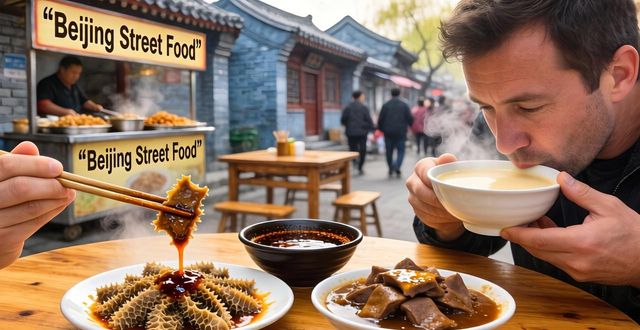
First, forget Western table manners. Many unique foods are street eats or shared dishes. For douzhi,you sip from a bowl without a spoon. For baodu, you dip each piece immediately and eat it hot. For chao gan, you tilt the bowl and drink the gravy while chewing the soft bits. Do not ask for forks or spoons; that marks you as a tourist.
Second, pair foods correctly. Douzhi needs jiaoquan. Baodu requires a dip of sesame sauce, chili, and cilantro. Chao gan goes with steamed bun slices. And always have a side of pickled garlic or turnip to cleanse your palate. Finally, go where locals go. Avoid tourist restaurants in Wangfujing. Instead, walk into small shops in Dashilan, Niujie, or Andingmen. Use hand gestures and smiles. The experience will be messy, loud, and unforgettable.
Have you tried any of these unique Beijing foods, or is there one you are now brave enough to taste? Share your story or questions in the comments below, and do not forget to like and share this guide with fellow food adventurers.