
Stepping off the plane in Beijing or Shanghai, you are immediately hit by a sensory overload that no guidebook can fully prepare you for. The air smells of exhaust and street food; the sounds are a chaotic symphony of horns, chatter, and distant construction. This is not the quiet, museum-style culture often portrayed in Western media. It is loud, vibrant, and intensely alive. To truly understand China, one must look past the Great Wall and the Terracotta Warriors. These monuments are important, but they are static. The real magic lies in the daily rhythms of ordinary people, the intricate social web, and the way history bleeds into modernity on every street corner.
How to navigate daily life in China as a foreigner?

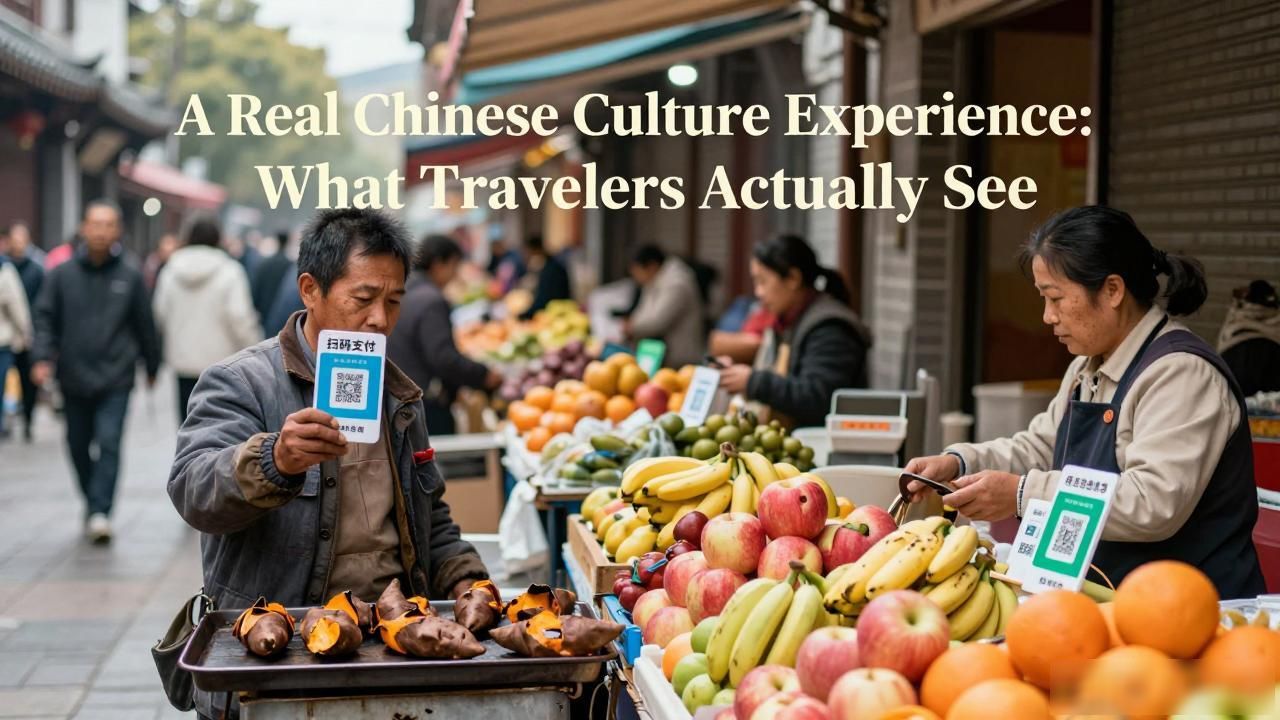
You cannot survive here without mastering the digital ecosystem. In most other countries, cash and credit cards reign supreme. In China, mobile payments are absolute. You will find that even the humblest street vendor selling roasted sweet potatoes or fresh fruit uses QR codes. If you arrive with only physical currency, you will face significant inconvenience. Downloading apps like WeChat or Alipay and linking your international card is not just convenient; it is essential for basic survival. From buying a bottle of water to paying for a high-end dinner, everything happens through the screen.
Social interactions also operate on a different frequency. The concept of “face” (mianzi) governs much of interpersonal behavior. Direct confrontation is rare and often avoided. Instead,communication is indirect, relying heavily on context and relationship building. When dining, the host usually orders for the group, and dishes are placed in the center for sharing. This communal style emphasizes harmony and collective enjoyment over individual choice. Refusing a drink or a bite of food can be seen as impolite unless handled with great care. Understanding these unspoken rules helps bridge the gap between being a tourist and becoming a temporary local.
What cultural traditions should tourists prioritize?
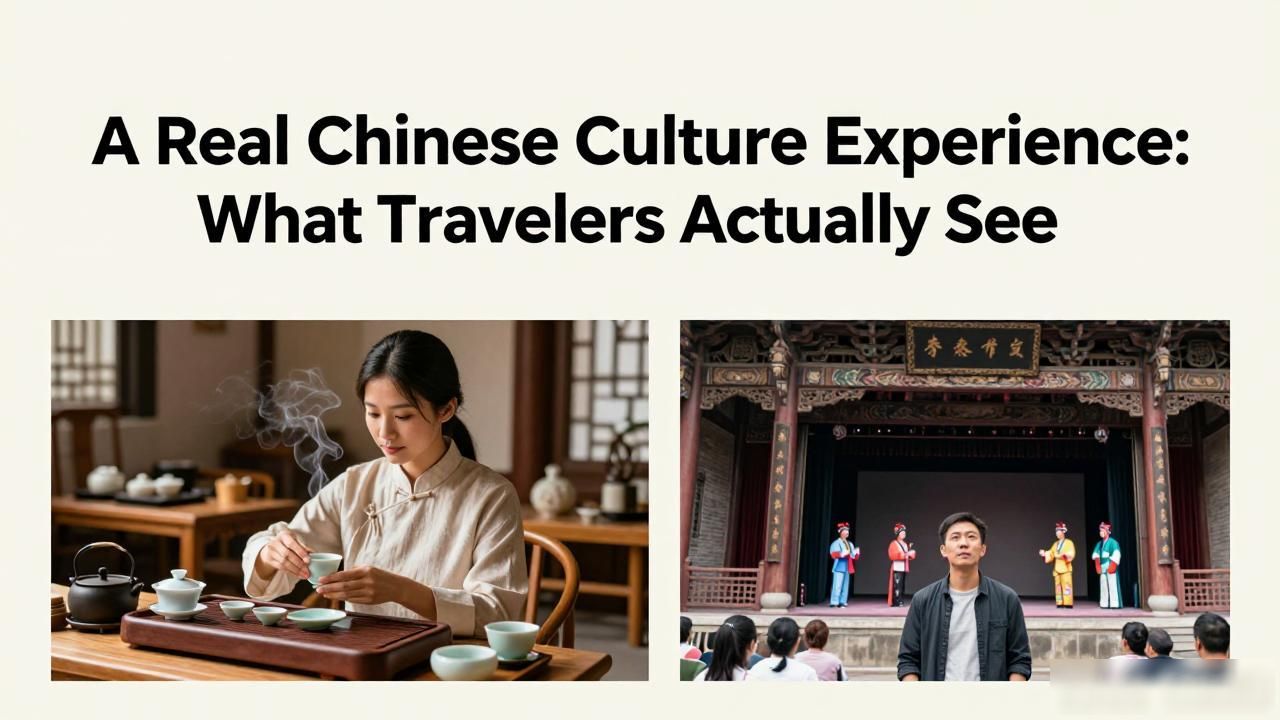
Forget the rigid tea ceremonies shown in films. Real Chinese culture is found in the parks at dawn. Wake up early, and you will see elderly men practicing Tai Chi, others writing calligraphy on the pavement with large brushes and water, and groups singing opera in public squares. This is the heartbeat of the nation. It is a moment of peace and community before the city erupts into its daytime hustle. Participating in these morning rituals offers a glimpse into the Chinese value of health and social connection. It is less about performance and more about daily wellness and community bonding.
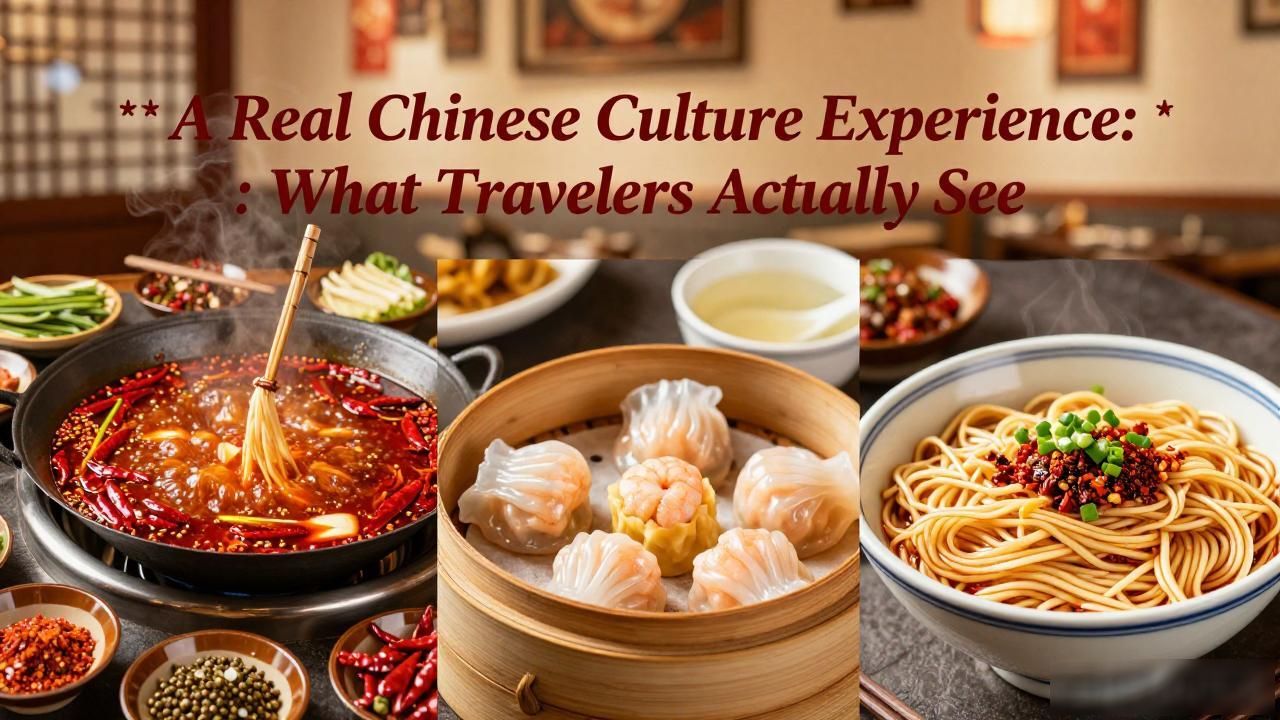
Food is another pillar that cannot be ignored. Chinese cuisine is not a monolith; it is a vast landscape of regional identities. The spicy heat of Sichuan, the delicate dim sum of Guangdong, and the hearty noodles of Xi’an are worlds apart. Eating is a social glue. It is how friendships are forged and business deals are sealed. Do not be afraid to eat where the locals eat. The best dumplings are rarely found in five-star hotels but in small, steam-filled shops with plastic stools. Engaging with the food culture means understanding that meals are lengthy affairs, meant for conversation and connection, not just fuel.
Ultimately, a Chinese culture experience is about immersion. It requires patience, an open mind, and a willingness to embrace the chaos. It is not always easy, but it is profoundly rewarding. By navigating the digital world, respecting social nuances, and engaging with local traditions, you move beyond sightseeing. You begin to feel the pulse of a civilization that is thousands of years old yet constantly reinventing itself.