
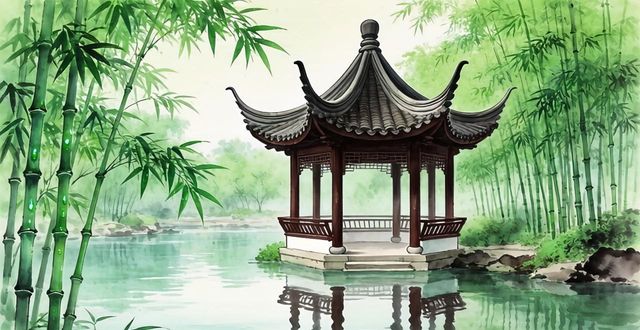
Suzhou gardens are famous worldwide for their delicate beauty, but many visitors overlook one of their most charming features: the pavilions. These small, open-sided structures are not just decorative; they serve as places for rest, reflection, and viewing the surrounding landscape. In this article, I will walk you through the essential roles of pavilions in Suzhou gardens, explain their unique designs, and share tips on how to appreciate them like a local.
What makes Suzhou garden pavilions special

Unlike large buildings in Western gardens,Suzhou pavilions are intentionally small and blend seamlessly with nature. They are often built near water, among bamboo groves, or on artificial hills. Their roofs curve upward like birds spreading wings, and their pillars are usually painted dark brown or red. What truly sets them apart is how they frame a view—through windows or openings, every direction offers a picture-perfect scene. For example, the Pavilion of the Surging Waves in Canglang Pavilion garden lets you see the entire pond and rock formations without obstruction.
Why are pavilions placed in specific spots
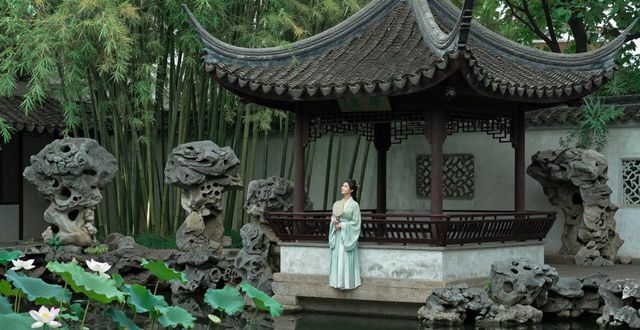
Every pavilion in a Suzhou garden has a purpose beyond beauty. Landscape designers, or “garden masters,” placed them to create what Chinese call “borrowed scenery.” A pavilion might sit at a corner to catch the sunset, or on a high point to overlook the whole garden. Some are hidden behind trees, rewarding curious visitors who wander off the main path. The most famous example is the Humble Administrator’s Garden, where the Pavilion Far Away in Fragrance stands by a lotus pond. In summer, the breeze carries flower scent into the pavilion, making it the perfect spot for afternoon tea or quiet reading.
How to experience pavilions like a local
Most tourists rush through gardens in an hour, but locals know that pavilions are meant for slow enjoyment. First, sit down. Don’t just take a photo and leave. Stay for ten minutes, watch the light change on the water, and listen to birds or the rustle of leaves. Second, visit at different times. Early morning pavilions are quiet, with mist rising from the pond; evening pavilions glow golden under the setting sun. Third, bring tea. Many Suzhou residents still bring a thermos of green tea to a pavilion, chatting or playing chess. You can do the same—it’s free and deeply rewarding.
What to look for in pavilion design
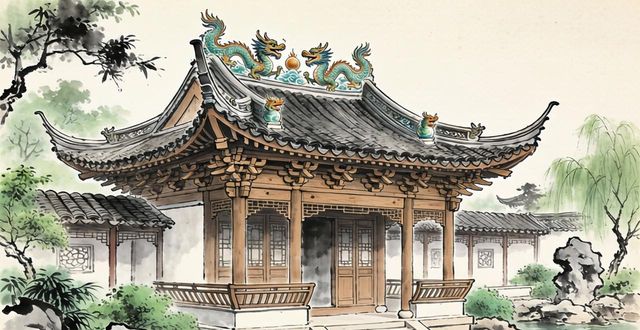
Pay attention to three details when you visit. The roof ridge often has small ceramic figures—dragons, phoenixes, or flowers—that tell stories from Chinese myths. The wooden brackets under the eaves, called “dougong,” are carved without a single nail, showing ancient craftsmanship. Finally, look at the stone benches inside. Some are plain, but others are engraved with poems or calligraphy. In the Lingering Garden, the Pavilion of the Clear Reflection has a stone table that once belonged to a Ming dynasty scholar. Touching it connects you to centuries of history.
Have you ever sat in a Suzhou garden pavilion and felt a moment of true peace? If yes, share your favorite pavilion in the comments. If not, which garden will you visit first? Like and share this article to help more travelers discover these quiet treasures.