
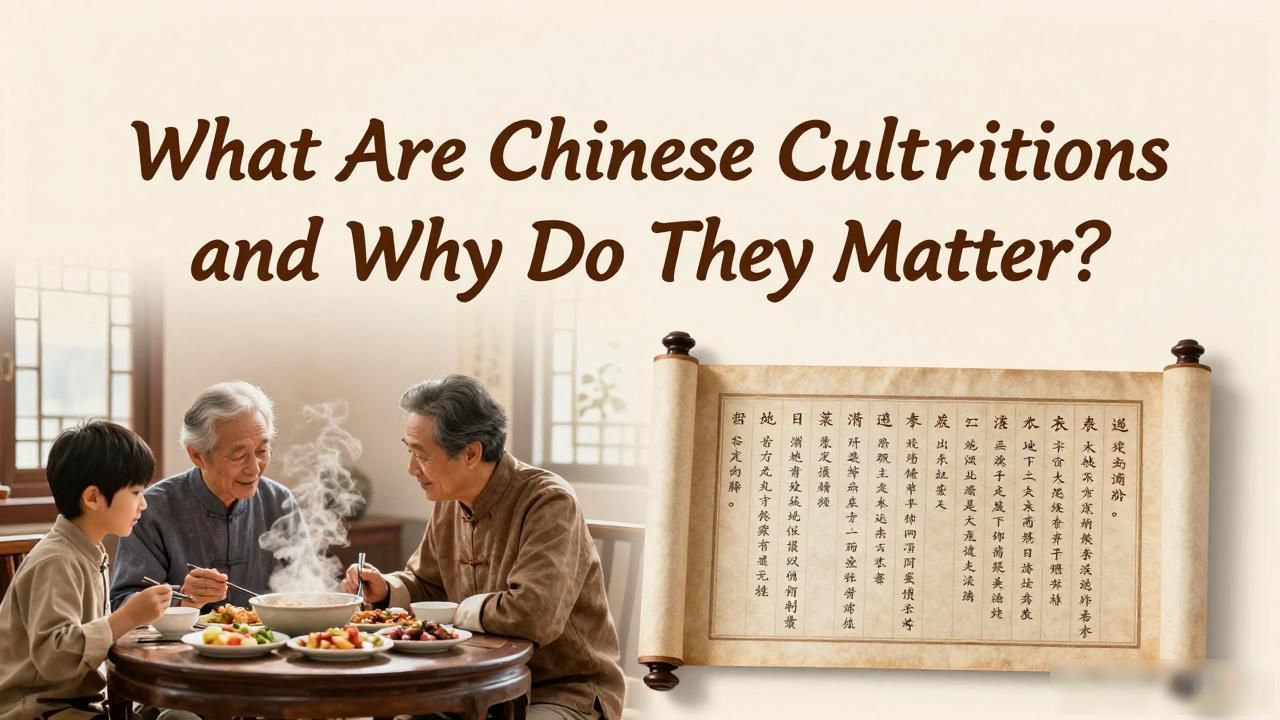
China’s heritage is not just history; it is a living, breathing force that shapes daily life. For outsiders, these customs often seem mysterious, yet they offer deep insights into family bonds, respect, and harmony. Understanding these traditions helps bridge cultural gaps and fosters genuine connection.
How Family Shapes Chinese Society?

Family remains the cornerstone of Chinese society. The concept of filial piety, or xiao, dictates respect for elders and ancestors. This value influences decisions from career choices to where one lives. It is not merely duty but a profound emotional bond that ensures social stability. During festivals,families gather to share meals, reinforcing these ties. The reunion dinner on Lunar New Year’s Eve is perhaps the most symbolic act, where distance is no excuse for absence. Family unity is the bedrock of Chinese identity.
Social interactions also reflect this hierarchal structure. Elders are consulted for advice, and their opinions carry significant weight. This respect extends beyond blood relations to teachers and mentors. It creates a community-oriented mindset where individual desires often align with group welfare. Such cohesion helps navigate modern challenges while preserving traditional values.
Why Do Festivals Hold Such Power?
Festivals in China are vibrant expressions of cultural memory. Each celebration carries specific meanings tied to agriculture, mythology, or historical events. The Spring Festival marks the beginning of spring and renewal. Lantern Festival illuminates streets with colorful lights, symbolizing hope. Mid-Autumn Festival centers on mooncakes and family reunion, highlighting the importance of completeness and harmony. These events are not just holidays but rituals that reconnect people with their roots.
Food plays a central role in these celebrations. Dumplings during Spring Festival represent wealth, while zongzi during Dragon Boat Festival commemorate loyalty. Every bite tells a story. The preparation itself is a communal activity, bringing generations together in the kitchen. This shared labor strengthens relationships and passes down culinary secrets.
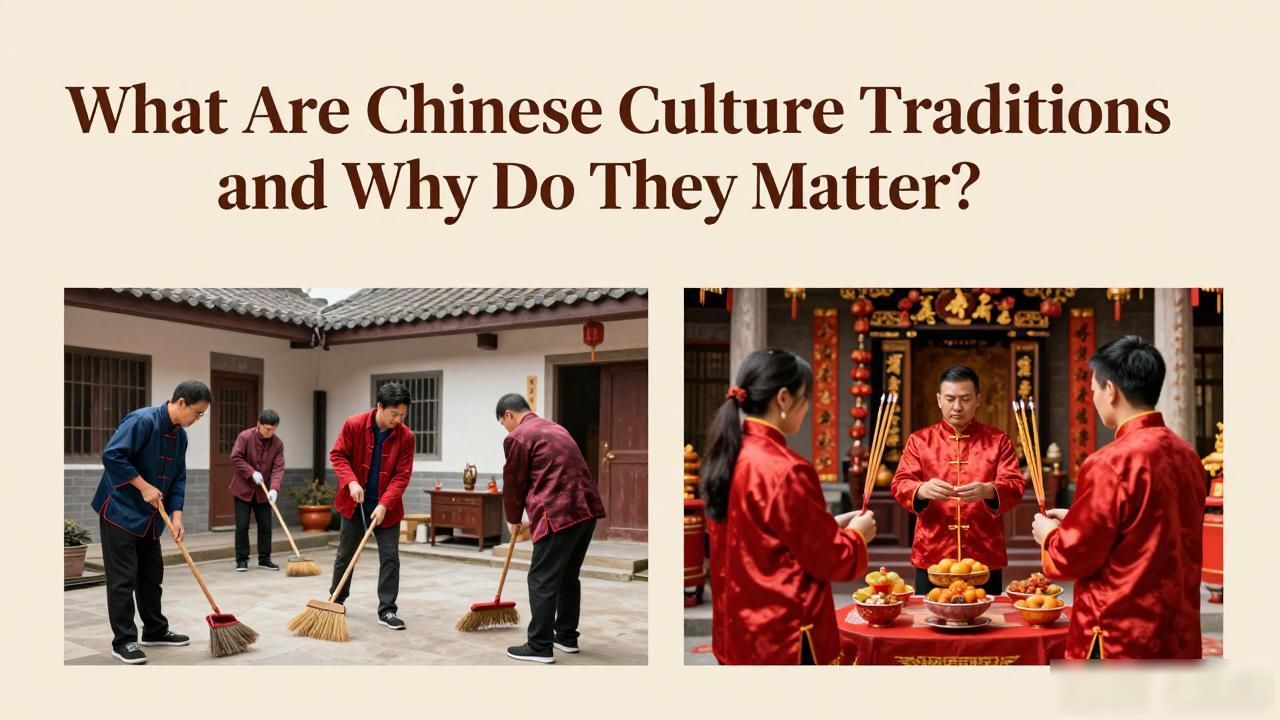
Beyond food, festivals offer a break from routine. They allow people to honor deities, clean homes, and welcome good fortune. In a rapidly modernizing world, these rituals provide a sense of continuity. They remind citizens of their shared history and collective values. Engaging in these traditions offers foreigners a window into the Chinese soul, revealing a culture that balances ancient wisdom with contemporary life.
Ultimately, Chinese culture traditions are about maintaining balance. Whether through family respect or festive joy, these practices create a cohesive social fabric. They teach us that progress does not require abandoning the past. Instead, it involves weaving old threads into new patterns. For those seeking to understand China, embracing these customs is essential.