
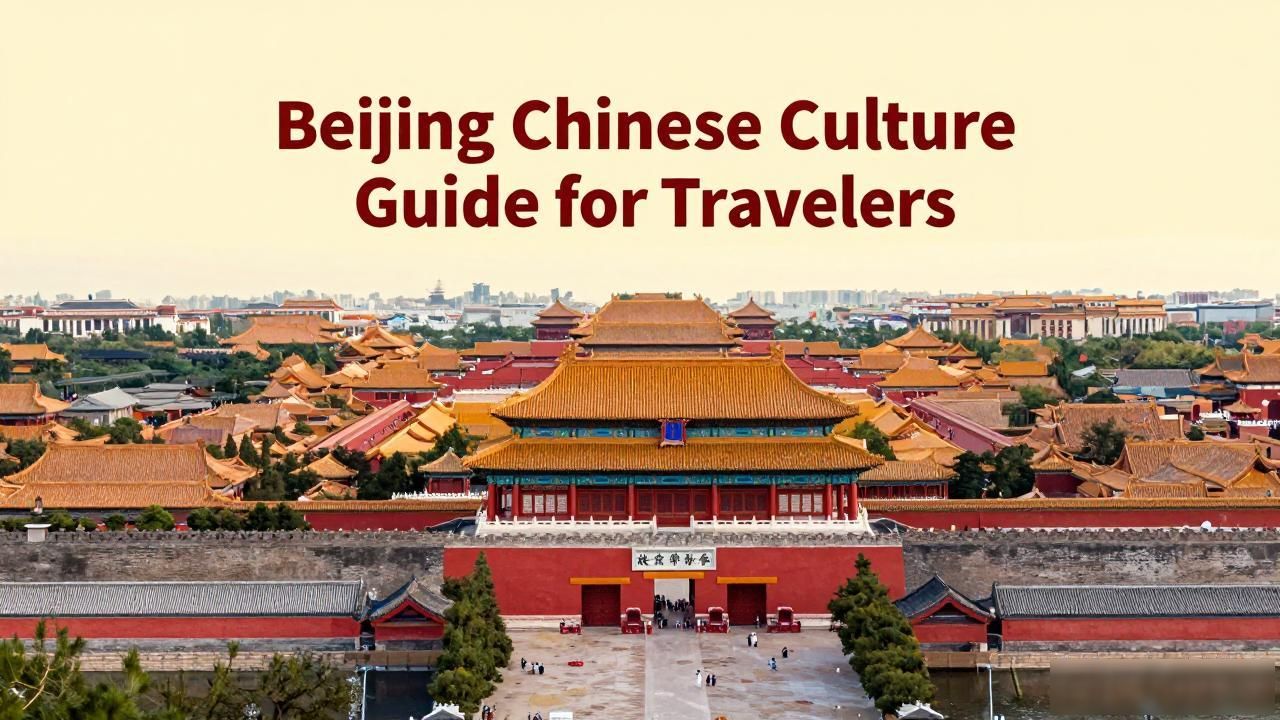
Beijing is not just a capital; it is a living museum of Chinese civilization. For visitors, understanding the deep roots of this city transforms a simple trip into an immersive journey. The culture here is vibrant, historical, and incredibly diverse. It blends ancient traditions with modern vitality in ways few other cities can match. This guide aims to help you navigate these layers effectively.
What makes Beijing’s traditional culture unique?

The soul of Beijing lies in its history,visible in every corner. The Forbidden City stands as a testament to imperial power, offering a glimpse into the lives of emperors past. Walking through its halls feels like stepping back in time. The intricate architecture and vast courtyards speak of a grand era. Yet, the culture is not confined to palaces. It thrives in the narrow alleyways known as Hutongs. These residential areas preserve the old Beijing lifestyle. Locals still live in courtyard homes, maintaining traditions that have survived for centuries.
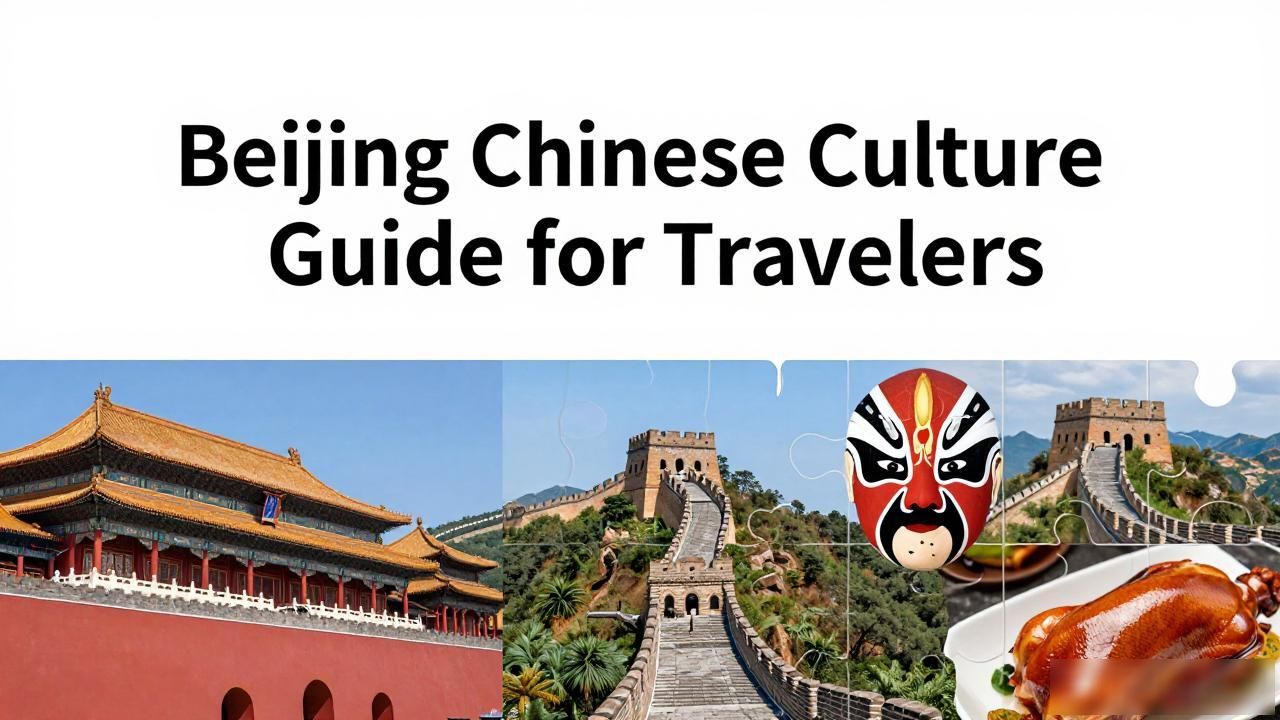
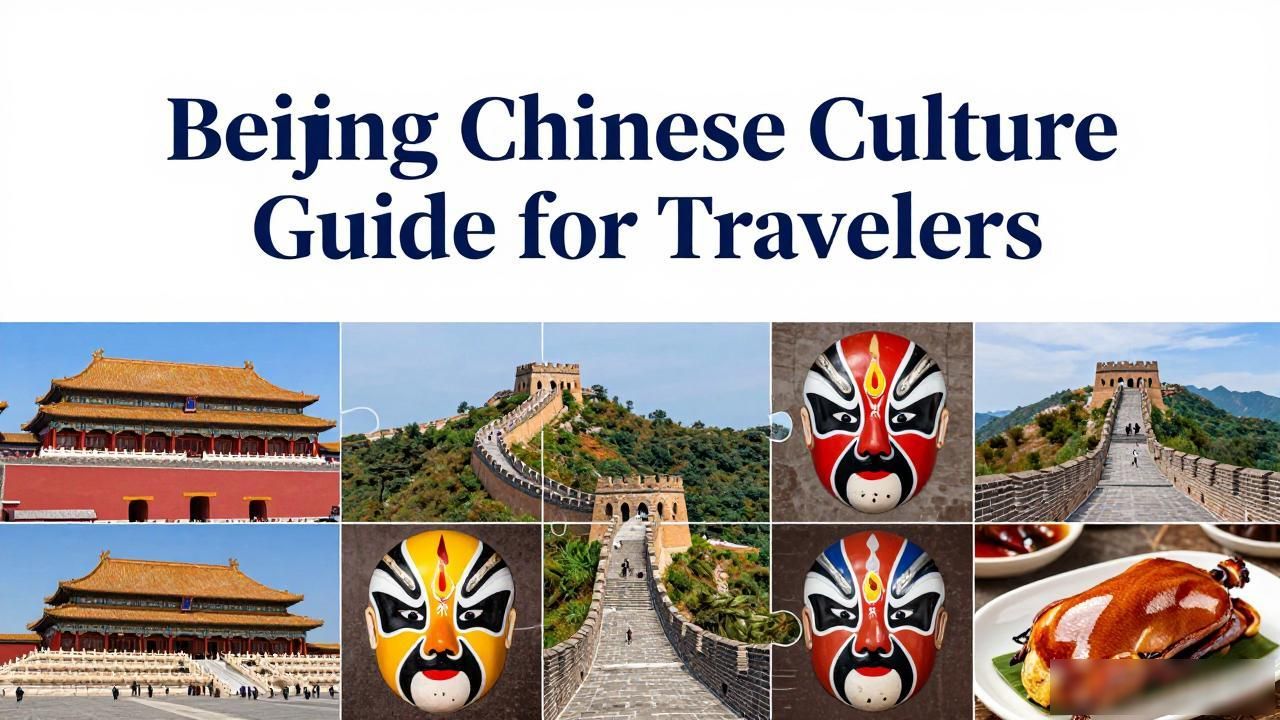
Another key element is the local dialect and arts. Peking Opera, with its colorful costumes and distinctive singing, remains a favorite among enthusiasts. Watching a performance provides insight into historical stories and moral values. Street food also plays a huge role. From Jianbing breakfasts to roasted duck dinners, eating is a cultural experience. Street food offers a true taste of local life. These culinary traditions connect people across generations. They are not just meals but social rituals.
How can tourists experience authentic culture?
To truly understand Beijing, one must engage with its people and spaces. Visiting the Temple of Heaven at sunrise is a must. Locals gather there for Tai Chi, dance, and calligraphy. Observing these daily routines reveals the peaceful side of Beijing life. It shows how tradition integrates seamlessly into modern routines. Tourists are welcome to join in or simply watch respectfully. This interaction breaks down barriers and fosters connection.
Exploring the 798 Art District offers a different perspective. This area combines industrial heritage with contemporary art. Galleries, cafes, and studios create a dynamic cultural hub. It reflects Beijing’s evolving identity as a global metropolis. Art districts show Beijing’s modern creative spirit. Here, traditional motifs meet avant-garde expressions. This fusion attracts young artists and international visitors alike. It demonstrates that culture is not static but constantly changing.
Lastly, consider attending a local festival if timing allows. Events like the Lantern Festival or Spring Festival bring communities together. Streets fill with decorations, music, and joy. Participating in these celebrations provides an unforgettable memory. Festivals offer deep community connections. They highlight the warmth and hospitality of Beijing residents. By engaging deeply, travelers gain more than just sightseeing. They gain a genuine appreciation for Chinese culture in Beijing.