
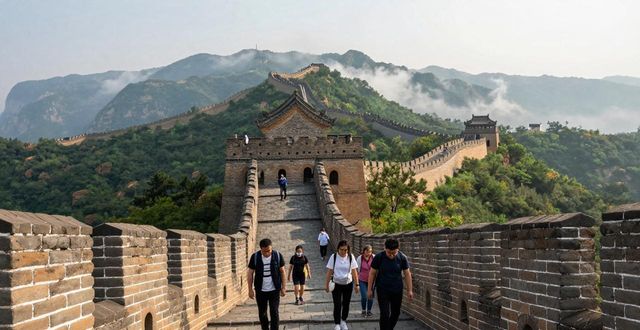
Which Great Wall section is easiest to reach from Beijing
For most foreign travelers, accessibility is the top concern when planning a Great Wall trip. The Badaling section is the closest and most convenient,located only about 70 kilometers northwest of Beijing. It offers direct highway access, frequent buses from Deshengmen, and even a high-speed train that takes just 30 minutes. However, Badaling is also the most crowded section, often packed with tour groups and selfie sticks. If you prioritize convenience over solitude, Badaling works perfectly for a half-day trip. The restored walls, paved walkways, and cable car access make it suitable for families and elderly visitors. But be prepared for a highly commercialized experience with souvenir shops and McDonald’s nearby.

Which Great Wall section offers the most authentic hiking experience
For hikers and adventure seekers, the Mutianyu and Jinshanling sections strike an excellent balance between restoration and wildness. Mutianyu is less crowded than Badaling but still well-maintained, featuring 23 watchtowers and stunning mountain views. You can take a cable car or chairlift up, then hike along the wall for hours. For a truly rugged experience, Jinshanling to Simatai is the classic hiking route. This 10-kilometer stretch includes original Ming Dynasty bricks, crumbling towers, and steep climbs. The path is uneven and requires good footwear, but the reward is breathtaking panoramas and few crowds. Many travelers call this the most photogenic section, especially during sunrise or autumn foliage season. Remember to bring plenty of water and snacks, as there are no vendors once you start hiking.

Which Great Wall section is best for avoiding tourist crowds
If solitude is your priority, the Jiankou and Gubeikou sections remain largely untouched by restoration and mass tourism. Jiankou, meaning “Arrow Nock” for its unique V-shaped notch, is famous among serious hikers and photographers. However, it is dangerously wild with collapsed sections and overgrown paths – not recommended for beginners or solo travelers. A safer alternative is Gubeikou, located near the border of Beijing and Hebei province. This section features two parallel walls from different dynasties (Northern Qi and Ming) and sees only a handful of visitors daily. You can walk for hours without seeing another soul. The nearby Panlongshan area offers similar solitude with slightly better maintenance. For those willing to travel farther, the Huanghuacheng section is partly submerged in a reservoir, creating a surreal “water Great Wall” scene that remains surprisingly quiet on weekdays.
How much time should you spend at each Great Wall section
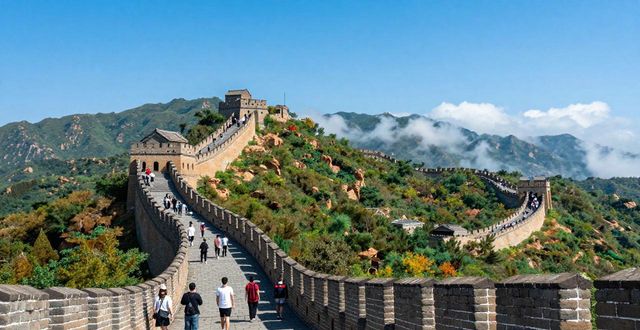
Your schedule largely determines which section fits best. For a half-day trip from Beijing, Badaling or Mutianyu are your only practical options – plan for 2 to 3 hours on the wall itself. For a full-day adventure, Jinshanling or Simatai require 4 to 5 hours of hiking plus transport time. Overnight stays are possible at Gubeikou or Jinshanling, where guesthouses offer home-cooked meals and sunrise views. Many travelers regret rushing through the wall, so I recommend dedicating at least one full day to a less crowded section. If you have multiple days, combine Mutianyu (easy) with Jinshanling (moderate) or Gubeikou (quiet). Avoid trying to visit two sections in one day – transport alone will eat up four hours. Also note that some sections like Simatai have limited opening hours and require advance booking for night tours.
Have you visited any of these Great Wall sections, or do you have a hidden gem to recommend? Share your experience in the comments below, and don’t forget to like and share this guide with fellow travelers planning their China adventure