
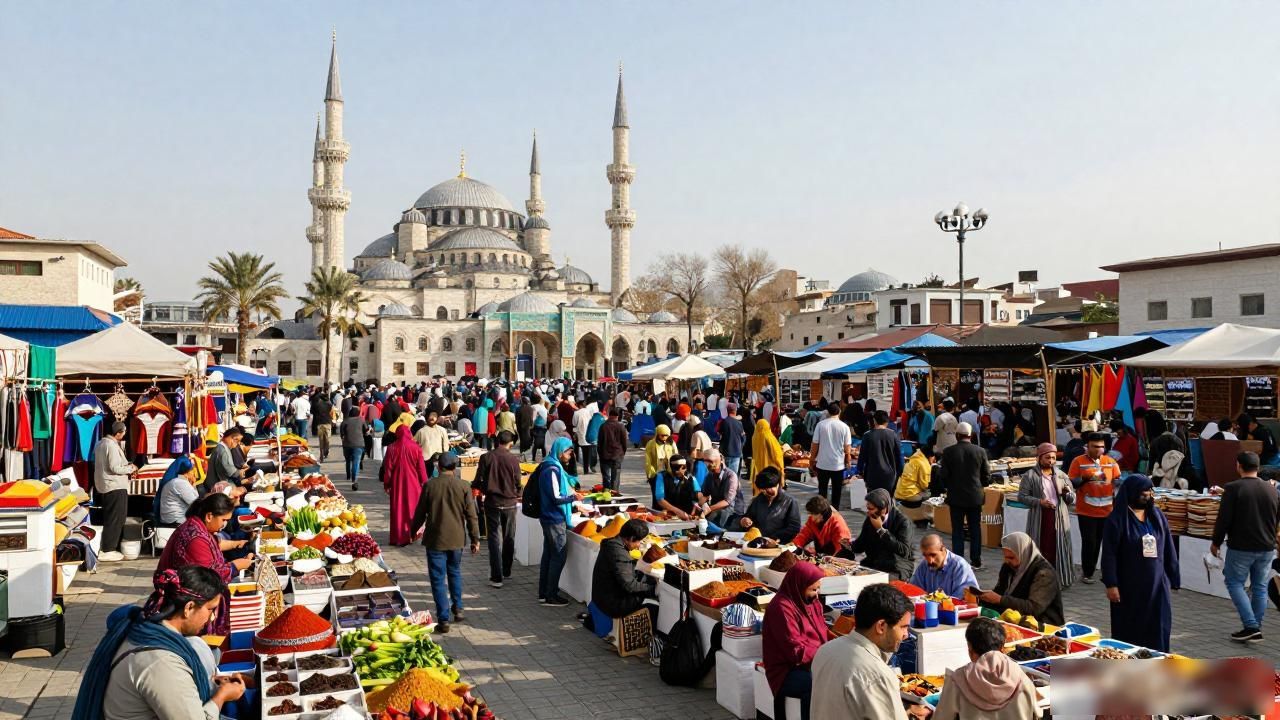
Stepping into the Sunday Bazaar in Kashgar feels like walking through a living postcard from a thousand years ago. This isn’t just a market; it is the heartbeat of Old Town Kashgar, where Uyghur culture spills out onto the dusty streets every week. For travelers, it represents an authentic encounter with local life, far removed from the polished tourist traps. You will see farmers bringing fresh produce, artisans displaying intricate handiworks, and locals gathering to socialize. It is a sensory overload of colors, sounds, and smells that defines the spirit of Xinjiang. Understanding what to expect helps you navigate this chaotic yet beautiful scene with confidence and respect.
What Makes Kashgar Sunday Bazaar Unique

The bazaar operates on a simple schedule but offers complex cultural experiences. Every Sunday,the square in front of the Id Kah Mosque transforms into a massive open-air market. The layout is organic, shifting slightly each week depending on vendors and demand. You will find sections dedicated to livestock, dried fruits, spices, and traditional crafts. The atmosphere is vibrant and loud, filled with haggling and laughter. It is crucial to arrive early, around 9 AM, when the freshest goods are displayed and the energy is at its peak. By noon, the crowds thin out, and the market begins to wind down.
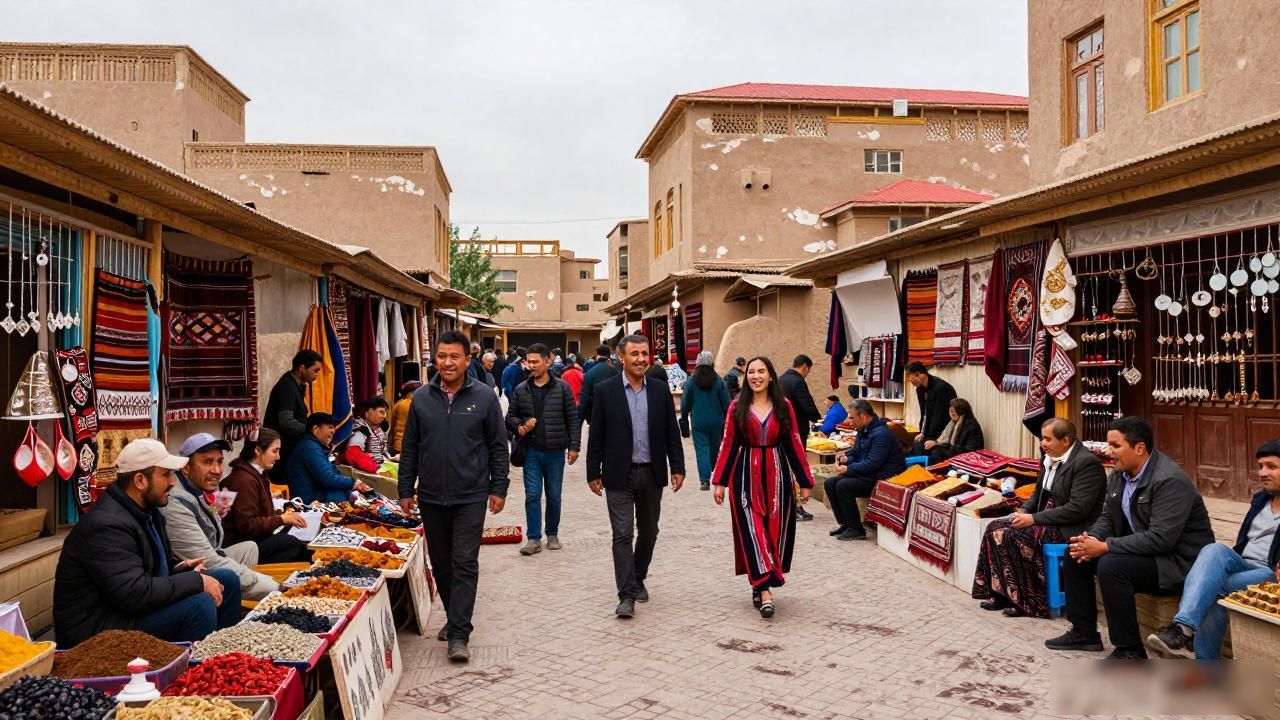
Vendors here are often multi-generational families who have sold goods for decades. They take pride in their wares, whether it is hand-woven carpets or pickled vegetables. Engaging with them is part of the experience. A smile and a few words in broken Uyghur or Chinese go a long way. Many sellers speak basic English, especially those catering to tourists, but showing genuine interest in their products builds rapport. Respect local customs, such as asking permission before taking photos of people, particularly elders. This mutual respect ensures a positive interaction for everyone involved.
How to Navigate and Shop Smart
Navigating the bazaar requires patience and a bit of street smarts. The paths are narrow and crowded, so keep your belongings close. Bargaining is expected in most sections, except for fixed-price stalls selling small souvenirs. Start by offering half the asking price and meet halfway. Be polite but firm; if the price is too high, walk away, and they may call you back. Cash is king here. While some larger shops accept cards, most small vendors and food stalls only take Chinese Yuan. Carry small bills to make transactions easier and avoid awkwardness.
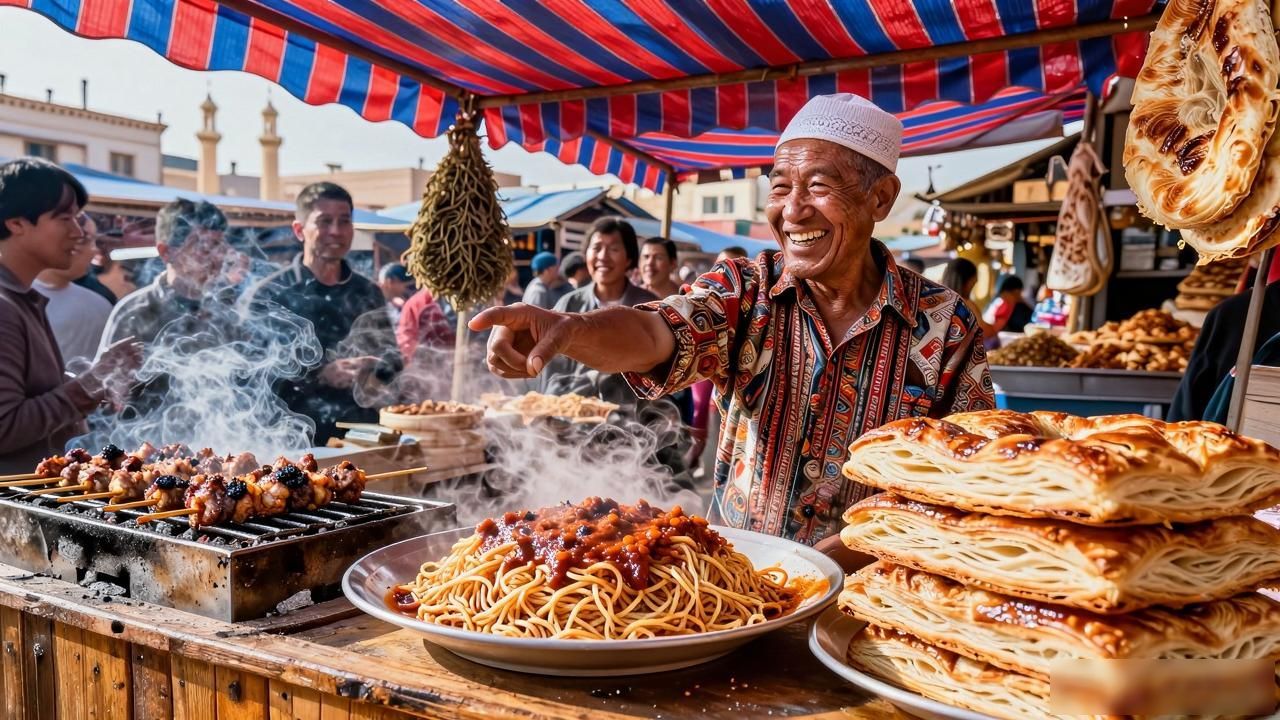
Food is an integral part of the bazaar experience. Try local specialties like laghman noodles, samsa pastries, and roasted lamb skewers. These foods are not only delicious but also affordable. Be cautious with raw vegetables unless you are sure of their cleanliness. Bottled water is recommended. Also, consider buying souvenirs that support local artisans, such as apricot kernels or musical instruments. Avoid buying anything that might violate cultural sensitivities or local laws. Bringing back a piece of Kashgar’s heritage is a meaningful way to remember your visit.
Kashgar’s Sunday Bazaar is more than a shopping destination; it is a cultural immersion. It offers a glimpse into the daily lives of the people who call this ancient city home. By preparing appropriately and approaching the experience with an open mind, you can fully appreciate its charm. The memories created here, from the taste of fresh fruit to the sound of traditional music, will linger long after you leave. Embrace the chaos, respect the traditions, and let the bazaar guide you through a unique slice of Central Asian history.