
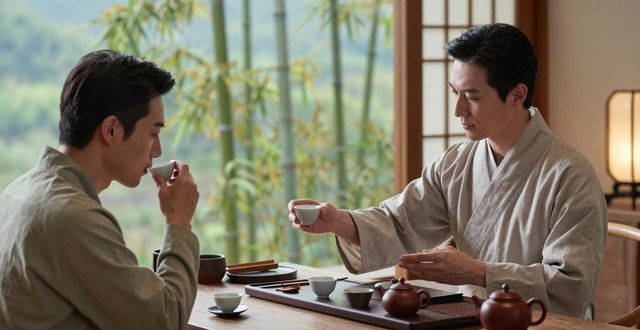
When we talk about tea ceremony, many people immediately think of Japan. But in fact, different cultures across Asia have developed their own unique tea rituals, each with deep philosophy, specific gestures, and spiritual meaning. Understanding the main types of tea ceremony helps you appreciate not just the drink, but the history and values behind every cup. From the meditative silence of Japanese matcha to the lively storytelling of Chinese Gongfu tea, each tradition offers a different way to connect with tea and with yourself. Let me walk you through the most influential tea ceremony types you should know.
Chinese Gongfu Tea Ceremony
The Chinese Gongfu tea ceremony focuses on bringing out the best flavor from oolong or pu’er teas through careful control of water temperature, steeping time, and small teaware. Unlike the highly formal Japanese version, Gongfu tea is more about skill and sensory enjoyment. You will use a tiny clay teapot, a fairness cup, and small aroma cups. The host warms every piece, rinses the leaves quickly, then pours hot water over the pot to keep heat even. Each short steep reveals a new layer of taste.

What makes this ceremony special is the attention to smell and touch. Before drinking, you first sniff the empty warm cup to catch the lingering fragrance. Then you sip from a taller cup, letting the liquid roll across your tongue. The whole process feels like a conversation between the tea master, the leaves, and the guests. It is common in southern China, especially Fujian and Guangdong. Many tea lovers practice Gongfu daily, not just for special occasions, but as a mindful break in busy life.
Japanese Chanoyu Matcha Ceremony
Japanese Chanoyu, often called the Way of Tea, is heavily influenced by Zen Buddhism. Unlike Chinese methods that use loose leaves, Chanoyu uses powdered matcha whisked with hot water into a frothy green tea. The ceremony follows strict rules: how to enter the tea room, bow, clean the utensils, and whisk the tea. Every movement has meaning, from the way you turn the bowl to the number of sips you take. The host spends months practicing just one season’s procedures.
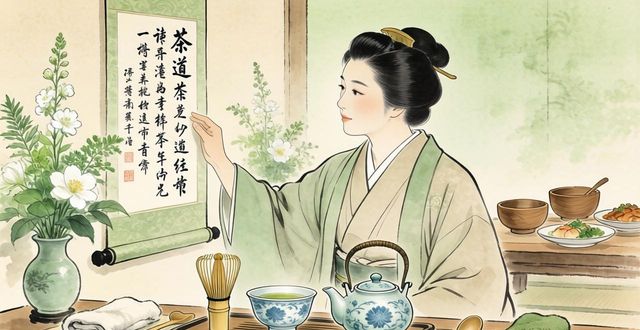
The heart of Chanoyu is not the tea itself, but the principles of harmony,respect, purity, and tranquility. Guests admire the scroll, flowers, and ceramic bowl chosen for that day. A full formal gathering can last four hours and includes a light meal. But even a simple bowl of matcha shared between two people carries the same spirit. For many Japanese, learning tea ceremony is a lifelong path of self‑discipline and appreciation of imperfection, known as wabi‑sabi.
Korean Darye Tea Etiquette
Korean Darye, meaning “etiquette for tea,” puts heavy emphasis on naturalness and community. Unlike the strict Japanese formality or the Chinese focus on skill, Darye feels more relaxed and practical. Traditionally, Koreans used a single covered bowl called a “chawan” or a small teapot, pouring hot water directly over green tea leaves (often “woojeon” or “jungjak”). The host serves tea without dramatic gestures, but with sincere posture and respect for each guest.
What stands out in Darye is the idea of sharing. The same pot is re‑steeped several times, and each round tastes slightly different. Guests are encouraged to chat, laugh, and enjoy simple snacks like rice cakes. There is no fixed sequence of whisking or folding cloths. Instead, the ceremony reflects Confucian values: showing respect to elders, creating a calm atmosphere, and using everyday objects. Many Korean families still practice a short version of Darye at home or in temples, keeping the tradition alive without over‑complicating it.
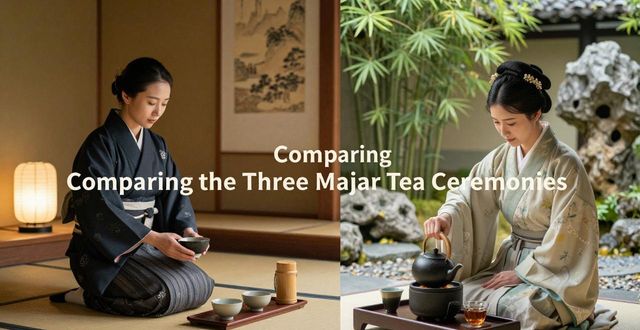
Comparing the Three Major Tea Ceremonies
When you put these three side by side, the differences become clear. Chinese Gongfu tea celebrates craftsmanship and changing flavors – it is a performance of skill. Japanese Chanoyu treats tea as a spiritual discipline where every tiny action carries deep meaning. Korean Darye focuses on natural human connection and hospitality, without rigid rules. Yet all three share a common goal: slowing down time to truly taste a single cup.
Each type also uses different tea leaves. Gongfu works best with oolong or pu’er; Chanoyu always uses matcha; Darye prefers fresh green tea like “cheoncha.” The teaware varies too – tiny purple clay pots, simple wooden scoops, or just a porcelain bowl. If you ever get the chance to attend a real ceremony, pay attention to the host’s hands. You will see decades of practice in the way they pour water. Now I am curious: which of these tea ceremony types would you most like to experience yourself, and why? Let me know in the comments – and if you found this helpful, please share it with another tea lover.