
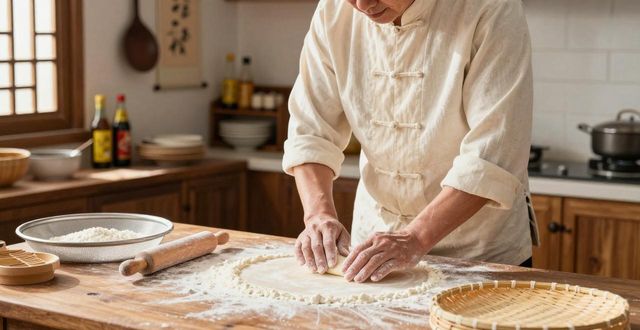
Chinese dumplings, or jiaozi,are more than just a meal – they are a cultural icon. This guide combines a foolproof homemade dumpling recipe with a virtual tour of China’s regional dumpling styles, so you can both cook and explore. Whether you are a beginner or a foodie, you will learn the secrets to juicy fillings, perfect dough, and the stories behind each shape.
What is the best filling for Chinese dumplings
The classic pork and cabbage filling is a great starting point. Mix 500g ground pork with 200g finely chopped napa cabbage, 2 tbsp soy sauce, 1 tbsp sesame oil, 1 tsp grated ginger, and 2 minced garlic cloves. For extra juiciness, add 3 tbsp of water or chicken broth while stirring in one direction. Vegetarians can swap pork with crumbled tofu, shiitake mushrooms, and glass noodles. The key is to balance moisture – too wet and the wrappers get soggy; too dry and the filling tastes bland.

How to make dumpling wrappers from scratch
Making your own wrappers is easier than you think. Combine 300g all-purpose flour with a pinch of salt, then slowly add 150ml warm water while mixing with chopsticks. Knead for 8–10 minutes until the dough is smooth and elastic. Let it rest under a damp cloth for 30 minutes – this relaxes the gluten. Roll the dough into a long log, cut into 12g pieces, and flatten each into a small circle. Aim for thin edges and a slightly thicker center so the wrapper holds together when folded.
How to fold dumplings like a pro
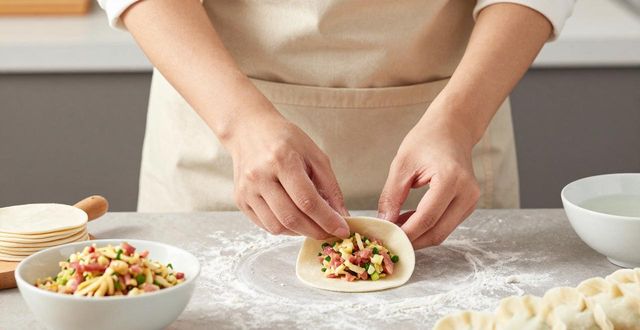
Start with the simple crescent fold. Place 1 tbsp filling in the center of a wrapper, moisten the edge with water, and fold it in half. Pinch the top closed, then make 3–4 small pleats along one side and press them against the flat side. For a more decorative shape, try the “golden ingot” – pinch both ends and curl them toward each other. Practice makes perfect, so do not worry if your first few look messy. The most important thing is to seal tightly, or your dumplings will burst while cooking.
A quick tour of China’s dumpling styles
Every region puts its own spin on dumplings. In Northern China, boiled jiaozi are served with black vinegar and chili oil – hearty and simple. Shanghai is famous for shengjianbao, pan-fried pork dumplings with a soupy filling. Cantonese har gow have translucent skins and are stuffed with shrimp and bamboo shoots, usually steamed. And in Sichuan, dumplings swim in a numbing spicy sauce with peanuts and scallions. If you ever travel to China, try a dumpling-making class in Beijing or a street stall in Xi’an for the real experience.
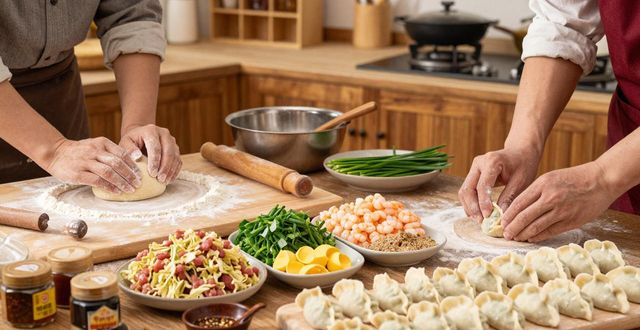
How to cook dumplings three ways
Boiling is the healthiest and fastest method. Drop fresh dumplings into plenty of boiling water, stir gently to prevent sticking, and add a cup of cold water when it returns to a boil. Repeat this twice; the dumplings are ready when they float and the skins look translucent. For pan-fried potstickers, fry them in oil until the bottoms are golden, then add ¼ cup water and cover to steam for 5 minutes. Steaming takes 8–10 minutes in a bamboo steamer lined with cabbage leaves. Serve hot with a dip of soy sauce, rice vinegar, and a few drops of chili oil.
Now it is your turn – have you ever tried making dumplings at home, and which folding style or regional variation would you like to try first? Share your experience in the comments, and do not forget to save this recipe for your next cooking night.