
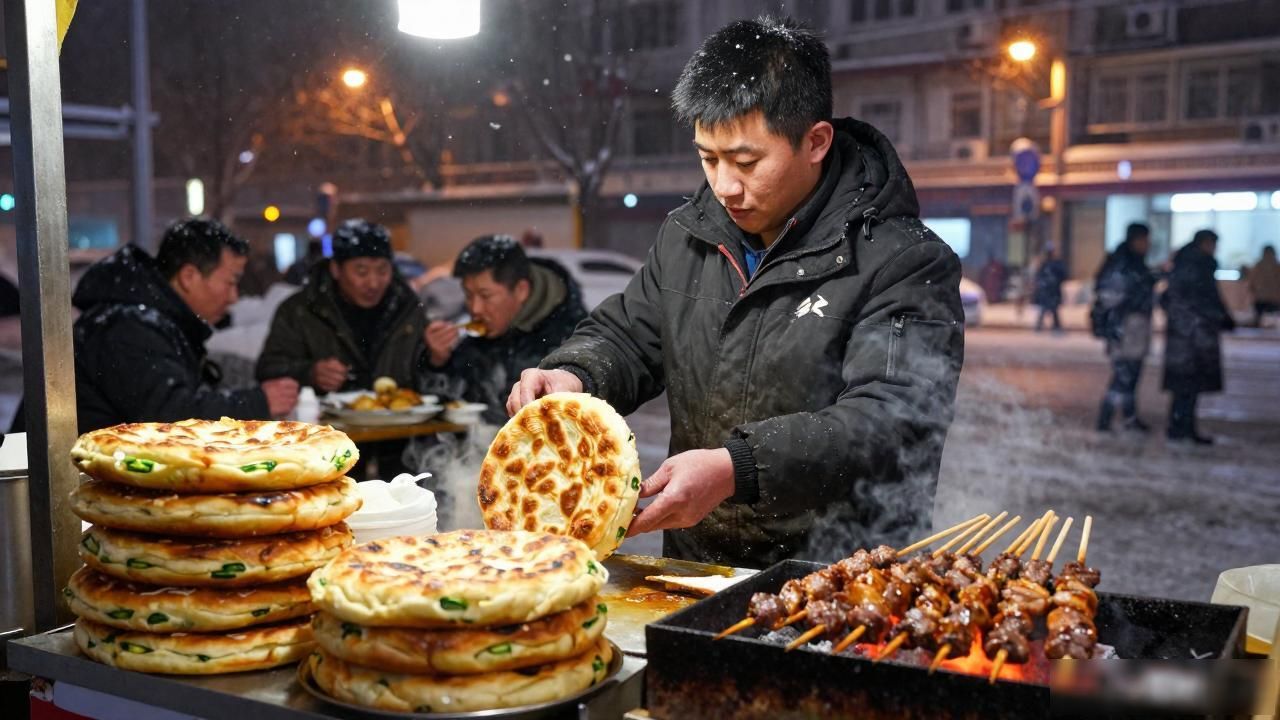
Walking through a bustling night market in Chengdu or Shanghai can be overwhelming. The air is thick with smoke, spices, and the sizzle of woks. For travelers seeking authentic flavors, understanding local Chinese street snacks is key. These are not just quick bites; they are cultural icons that define the culinary identity of different regions. I have spent years navigating these crowded alleys, learning which stalls offer the best value and taste. My goal is to guide you away from tourist traps and toward genuine local favorites.
What Are Must-Try Street Snacks in China

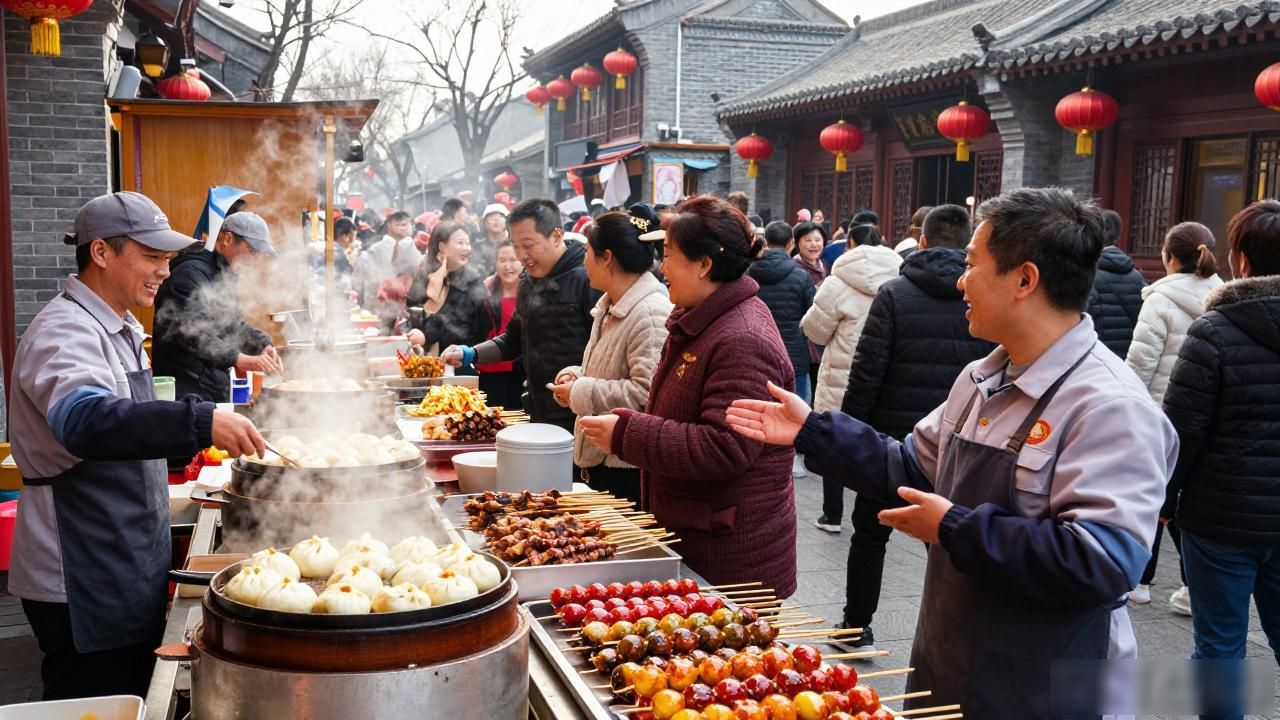
Culinary diversity in China means every province has its own signature treats. In the north, wheat-based foods dominate. You will find crispy scallion pancakes and skewers of marinated meat grilled over charcoal. These items are hearty and perfect for filling up on a cold evening. In contrast, southern cities like Guangzhou focus on delicate dim sum served from pushcarts. Steamed buns filled with pork or lotus paste are soft, sweet, and savory all at once. Do not miss the stinky tofu found in many ancient towns. Its pungent smell is deceptive, but the crispy exterior and tender interior are addictive.
Another essential item is the tanghulu, candied hawthorn berries on a stick. This sweet snack is a childhood memory for many locals. It offers a sharp sourness balanced by sugar, cutting through the richness of other fried foods. Gelatinous desserts like bamboo jelly are also popular, especially in summer. They are often served with red bean syrup and ice, providing a refreshing break from spicy dishes. Each region adds its own twist, so exploring locally means discovering unique ingredients and preparation methods that you won’t find elsewhere.
How to Navigate Street Food Safely and Smartly
Hygiene is a common concern for first-time visitors,but it is manageable with observation. Look for stalls with high turnover. A long line of locals usually indicates fresh food and good hygiene standards. Avoid stalls that have been sitting under heat lamps for hours. Always check if the vendor uses gloves or tongs when handling ready-to-eat items. Drinking bottled water and avoiding unpeeled raw fruits is a safe practice. Most street vendors cook their food thoroughly on the spot, which kills most bacteria.
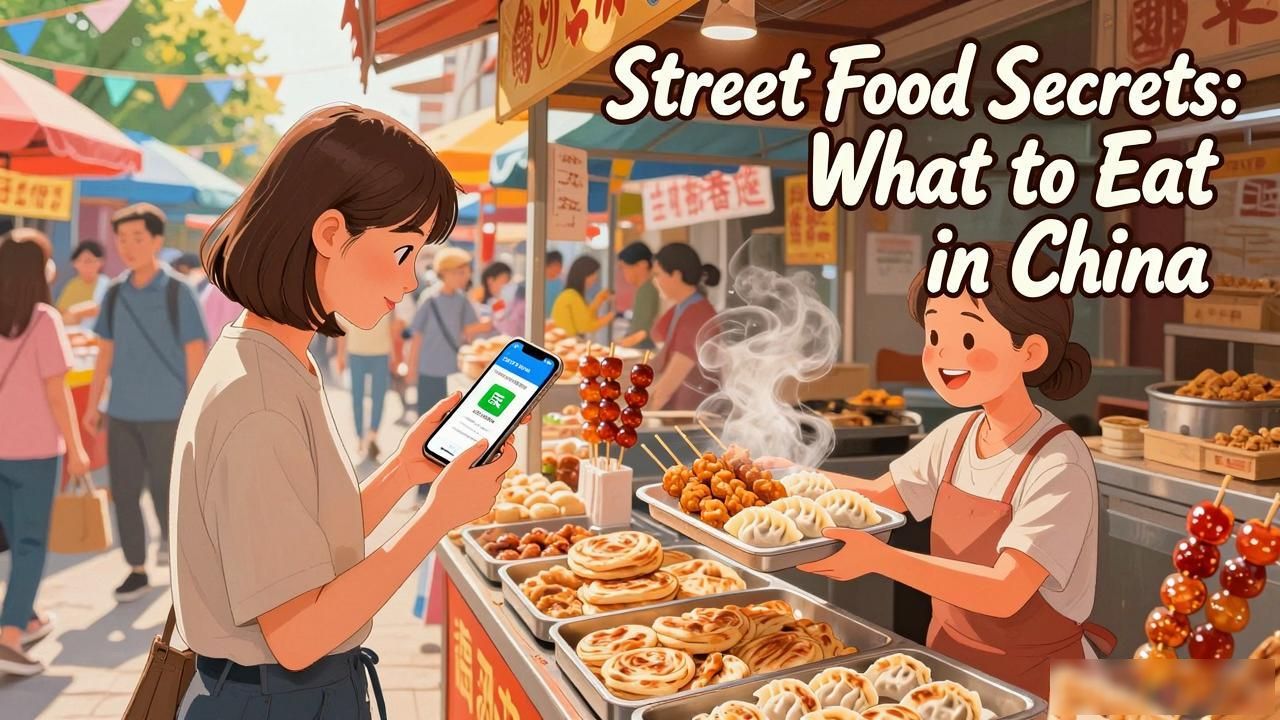
Payment in street markets is almost exclusively digital. Having Alipay or WeChat Pay set up before your trip is crucial. Cash is rarely accepted for small purchases, and vendors may not have change. Engaging with the vendor goes a long way. Even a simple “xiexie” (thank you) in Mandarin creates a friendly atmosphere. Many vendors are proud of their recipes and happy to explain what you are eating. This interaction enriches the experience, turning a simple meal into a cultural exchange. Remember, eating where the locals eat is the best way to ensure authenticity and safety.