
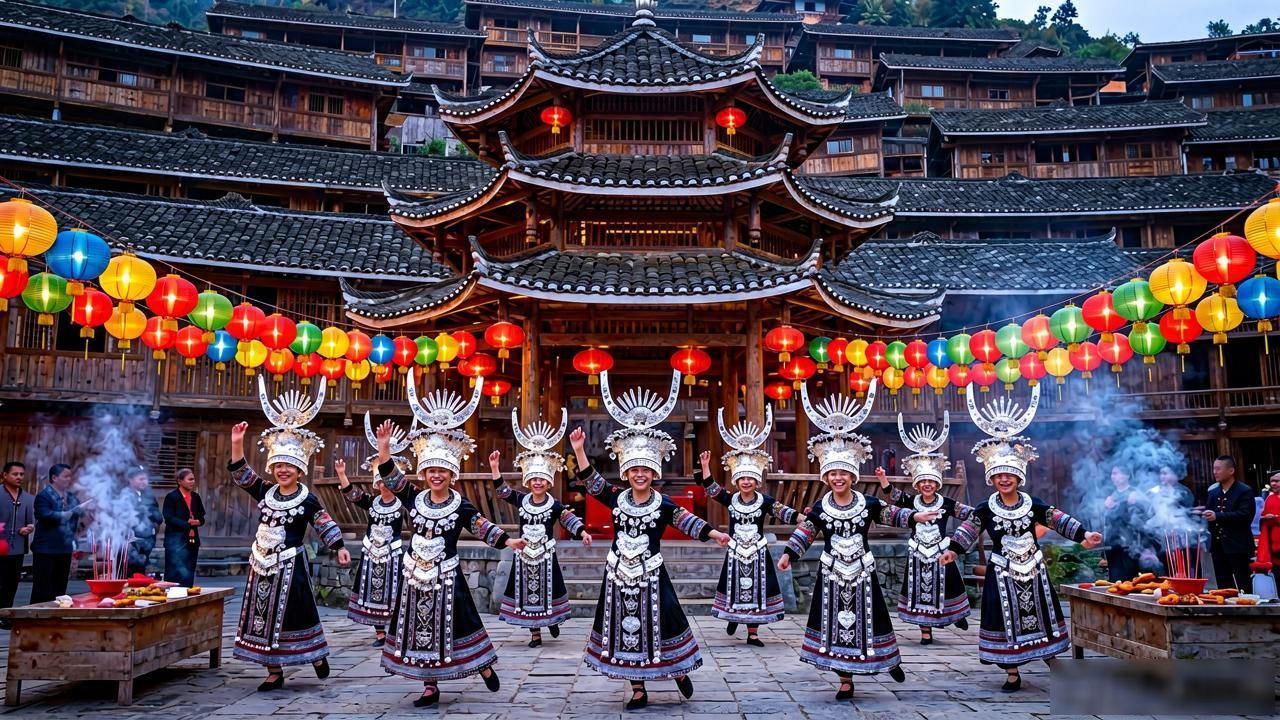
Guizhou’s capital is often overshadowed by its famous karst landscapes, but the true soul of Guiyang lies in its vibrant, living traditions. For travelers seeking more than just sightseeing, immersing oneself in the daily rhythms of Miao and Dong communities offers a profound cultural experience. This city is a melting pot where ancient customs blend seamlessly with modern urban life, creating a unique atmosphere that is both welcoming and mysterious. Understanding these traditions transforms a simple visit into a meaningful journey through history and community.
How to Experience Miao and Dong Festivals in Guiyang

The heart of Guiyang’s cultural identity beats strongest during its numerous ethnic festivals. The Miao New Year and the Dragon Boat Festival are not merely tourist attractions but vital expressions of communal faith and heritage. During these times, the city transforms into a stage for traditional songs,dances, and rituals. Visitors should aim to attend these events to witness the authentic spirit of the region. The air fills with the sound of lusheng pipes, and streets overflow with people in intricate silver jewelry. Participating in these celebrations allows travelers to connect with locals on a personal level, sharing moments of joy and reverence that define the region’s social fabric.
Beyond formal festivals, daily life offers glimpses into enduring traditions. Morning markets are bustling hubs where elders sell handicrafts and prepare traditional foods. Observing these interactions provides insight into the values of hospitality and craftsmanship. The Dong minority, known for their wooden drum towers, often host evening gatherings where stories are passed down through song. These informal settings are crucial for understanding the community’s resilience and adaptability. Travelers who take the time to engage with locals in these spaces will find that the warmth of the people is the most memorable souvenir.
What Traditional Foods Reveal About Guiyang’s History
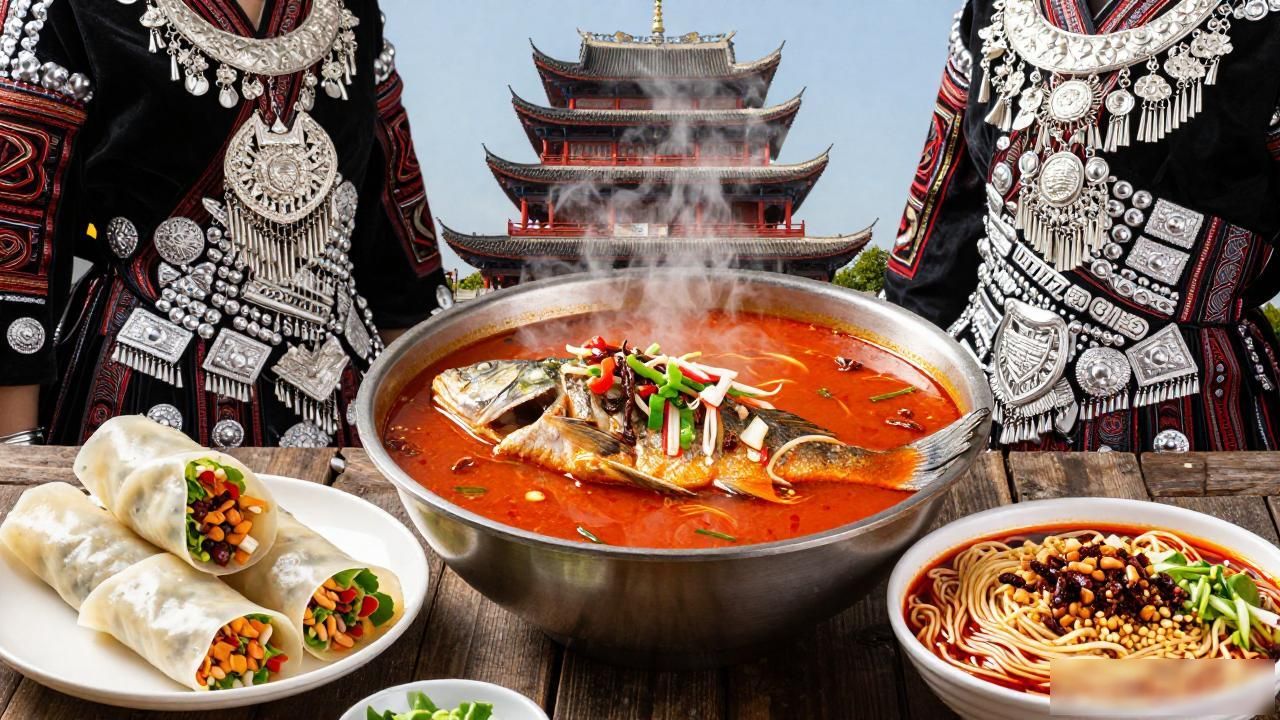
Food in Guiyang is a language of its own, deeply rooted in agricultural practices and historical trade routes. Sour soup fish, a staple of Miao cuisine, reflects the region’s humid climate and preservation techniques developed centuries ago. The tangy flavor profile is distinct and challenging for first-time tasters, yet it remains a central pillar of local identity. Eating this dish is not just about sustenance; it is an act of participating in a shared culinary heritage. Sour soup fish tells the story of adaptation and survival in the mountainous terrain of Guizhou.
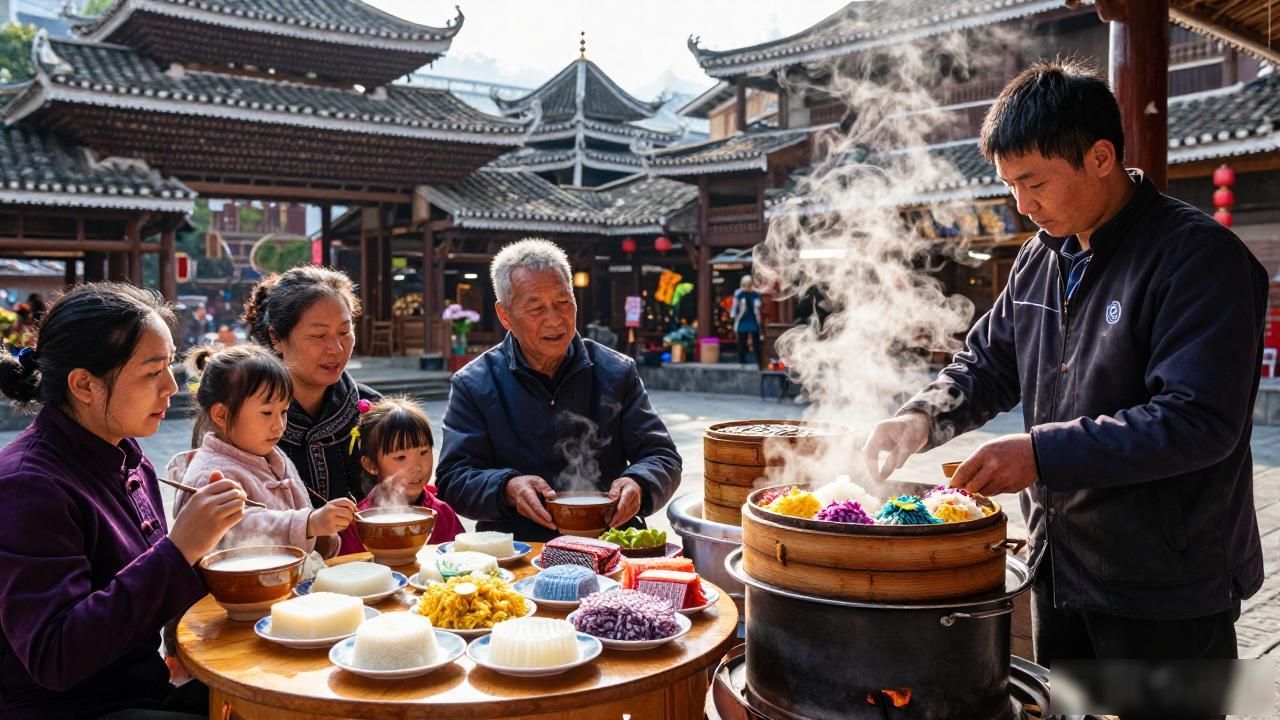
Another essential element is the use of rice wine and sticky rice cakes in ceremonial offerings. These items appear in almost every household during special occasions, symbolizing prosperity and unity. Street vendors offer steaming baskets of colorful glutinous rice, showcasing the artistic flair embedded in everyday meals. Engaging with local chefs or home cooks can provide deeper context about ingredient sourcing and preparation methods. By tasting these dishes, travelers gain a sensory understanding of the land’s bounty and the ingenuity of its inhabitants. This culinary exploration bridges the gap between observer and participant, making the travel experience richer and more holistic.