
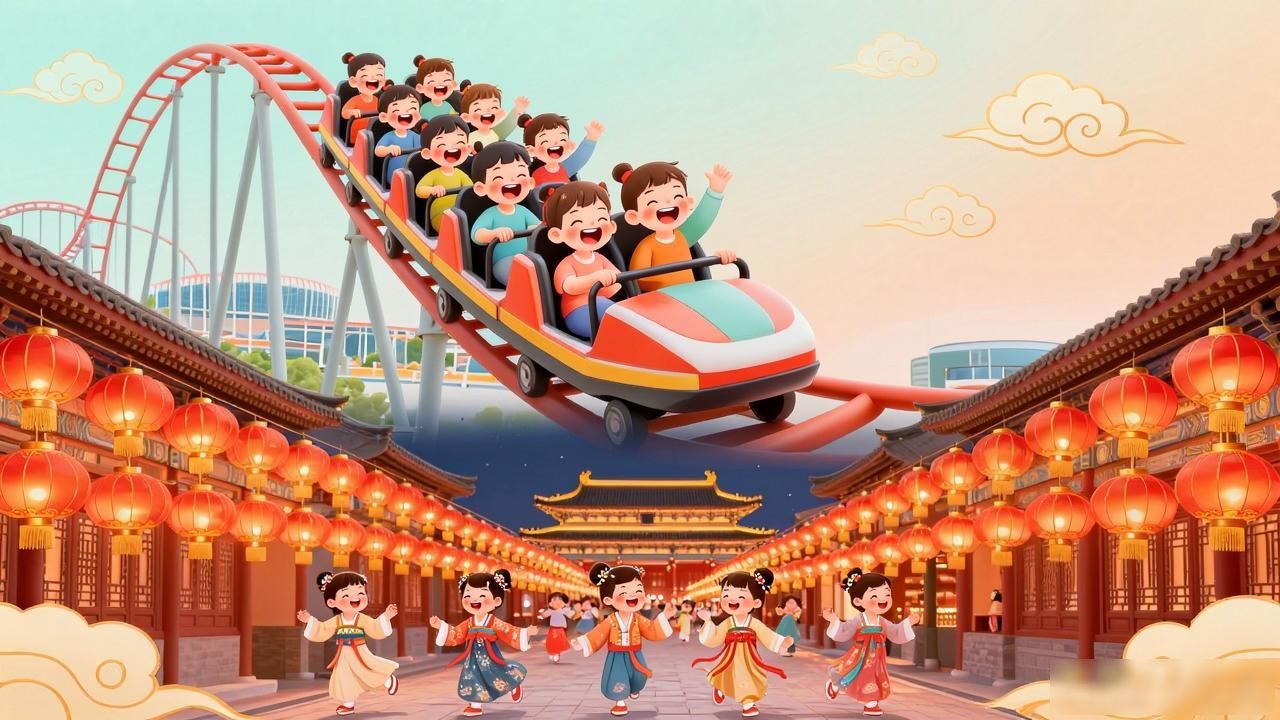
Traveling through China with children can feel like navigating a maze of ancient wonders and modern chaos. However, shifting the perspective from historical documentation to interactive discovery transforms these cities into playgrounds for the curious mind. Beijing offers grand scales that inspire awe, while Xi’an provides tangible connections to the past through hands-on experiences. The goal is not just to see sights, but to engage young minds in stories they can touch and taste.
How to Keep Kids Engaged at the Great Wall?

The sheer size of the Great Wall often intimidates families, leading to fatigue before the real fun begins. Choosing the Mutianyu section strikes the ideal balance between accessibility and adventure. Unlike the crowded Badaling, Mutianyu features well-maintained paths and fewer tourists, allowing children to explore safely. The highlight here is undoubtedly the toboggan slide. Descending the mountain on these wobbly sleds is an adrenaline rush that children remember long after the historical facts fade. It turns a strenuous hike into a thrilling game, making the physical effort worthwhile.
After conquering the wall, a visit to the nearby village offers a softer pace. Families can enjoy local snacks and watch artisans craft traditional souvenirs. This contrast between the monumental structure and the humble village life helps children understand the human scale behind history. It is crucial to time this trip during cooler months, as summer heat can be overwhelming for little legs. Packing plenty of water and comfort items ensures the day remains enjoyable rather than exhausting.
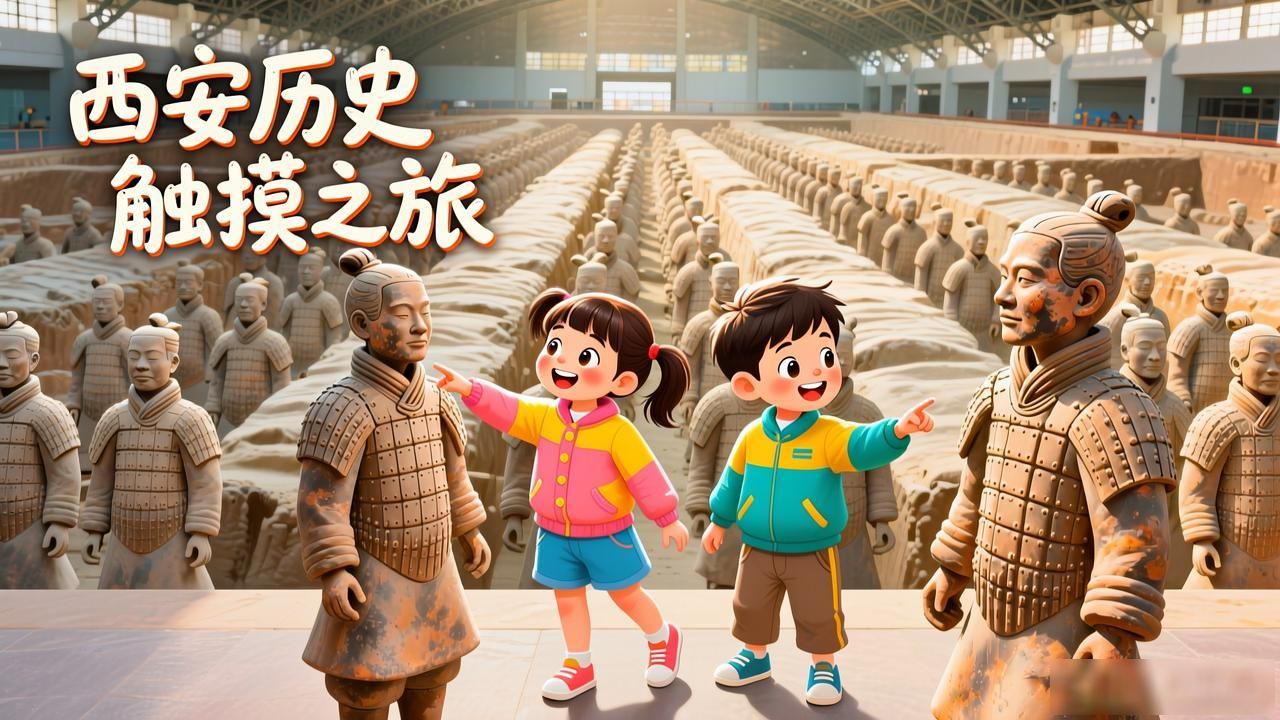
What Ancient History Can Children Actually Touch in Xi’an?
Xi’an invites interaction in ways few other cities do. The Terracotta Army might seem static, but the surrounding area offers dynamic alternatives. Visiting the Shaanxi History Museum requires booking well in advance, yet the reward is seeing artifacts up close. For a more active experience, walking along the City Wall is a must. Renting bicycles allows the whole family to pedal along the ancient ramparts. The view of the modern city beyond the old walls creates a striking visual lesson in continuity and change.
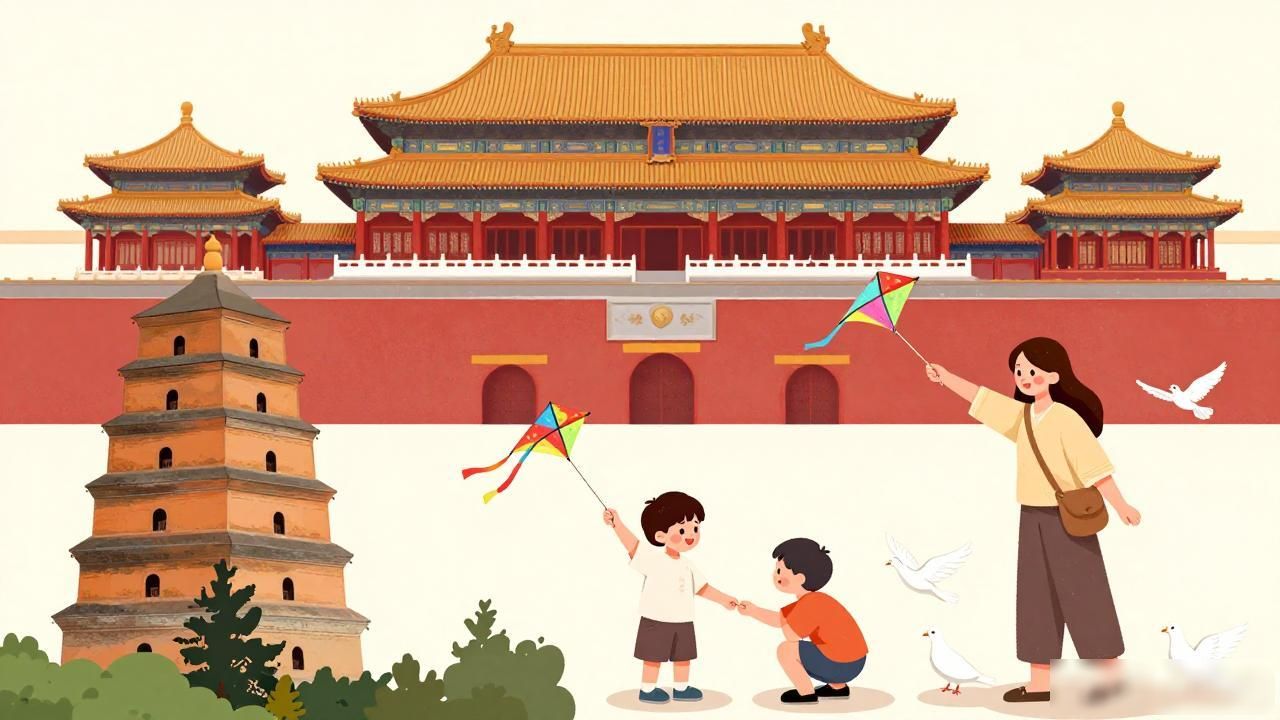
Food becomes another portal to culture. Exploring the Muslim Quarter introduces kids to diverse flavors without the formality of fine dining. Trying roujiamo, often called the Chinese burger,is a hit with children who prefer handheld foods. The bustling atmosphere provides endless sensory details to observe. From the steam rising from dumpling shops to the sound of sizzling skewers, every corner offers a new discovery. This culinary journey breaks down barriers and makes learning about Chinese culture delicious and memorable.