
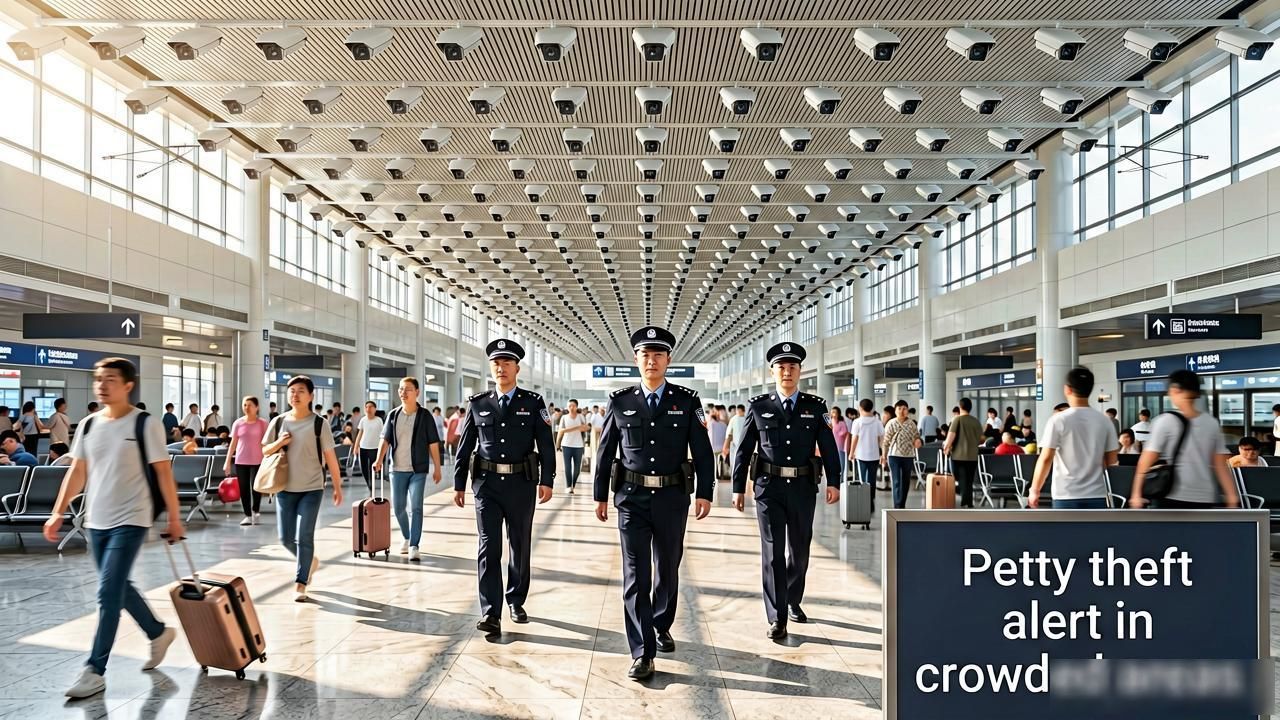
Traveling to China can be an unforgettable experience, but like any destination, it requires some basic safety awareness. Whether you’re visiting Beijing, Shanghai, or remote rural areas, understanding local customs, transportation rules, and health precautions will help you stay safe and enjoy your trip without unnecessary stress.
Is China safe for solo travelers and families

China is widely considered a safe country for tourists, including solo travelers and families. Violent crime is rare, and public spaces like train stations, shopping malls, and tourist attractions are usually well monitored by security cameras and police. However, petty theft can happen in crowded areas, so keep your phone, wallet, and passport close. For families, child safety is generally good, but always hold your child’s hand in busy places like subway stations or night markets. Avoid walking alone late at night in unfamiliar neighborhoods, especially in big cities. If you need help, locals are often willing to assist, though language barriers can be a challenge. Learning a few basic phrases in Mandarin, like “help” or “police,” can be useful.
What health and food safety tips should you follow
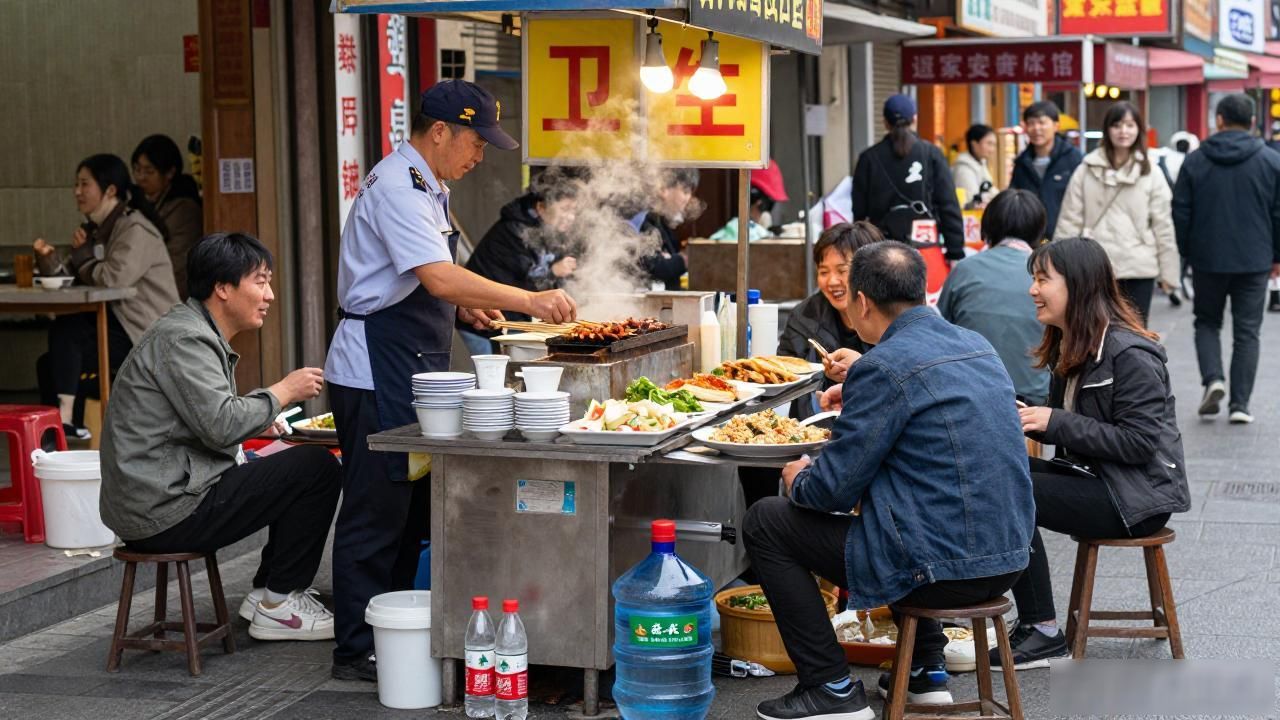
Food safety is a common concern for many travelers to China. Street food is popular and often delicious, but choose stalls that are busy with local customers, as high turnover means fresher ingredients. Always drink bottled or boiled water, as tap water is not safe for drinking. Carry a small first-aid kit with basic medicines for stomach issues, colds, and allergies. Air pollution can be a problem in some cities, especially during winter, so check air quality indexes and wear a mask if needed. Make sure your travel insurance covers medical evacuation, as hospital standards vary between cities. If you have specific health conditions, bring enough medication for your entire stay, along with a doctor’s note in English and Chinese.
How to stay safe with transportation and digital payments
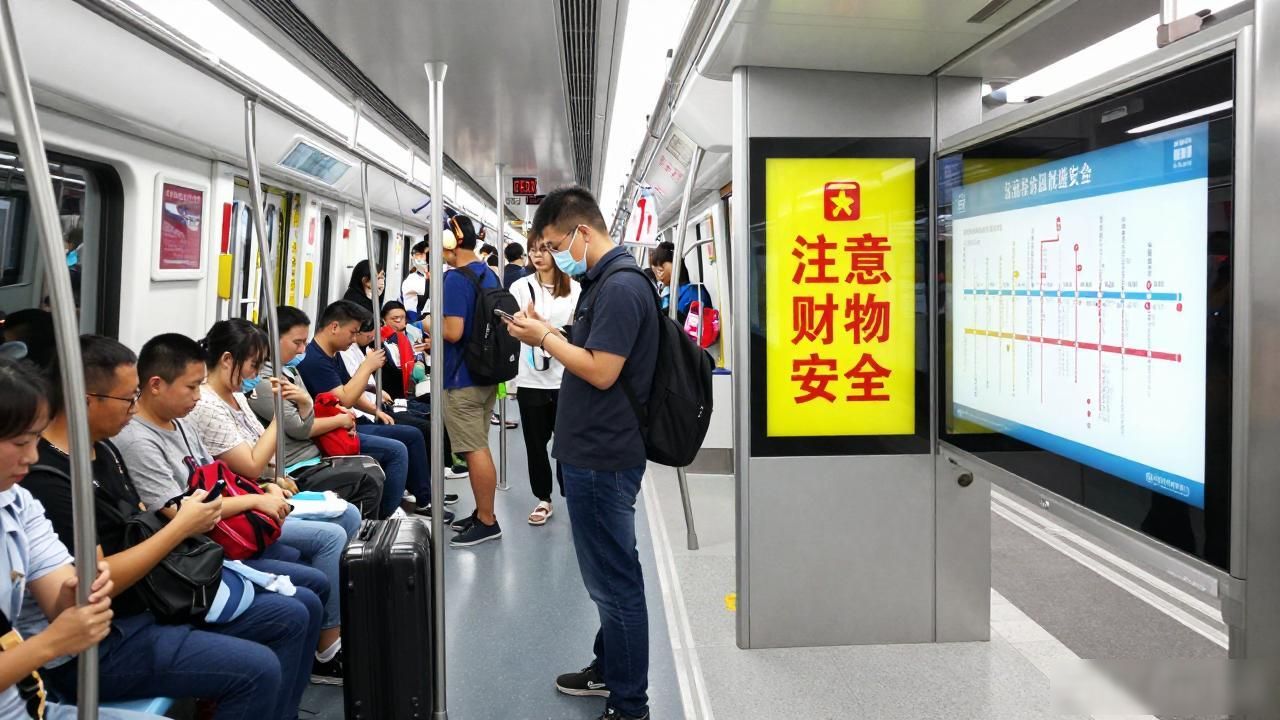
China’s public transportation is efficient but can be overwhelming for first-time visitors. Subways and buses are generally safe, but watch your belongings during rush hours. Only use official taxis or ride-hailing apps like Didi, as unlicensed cabs may overcharge or take unsafe routes. Digital payments like Alipay and WeChat Pay are widely used, but keep some cash for small vendors or emergencies. Avoid using public Wi-Fi for sensitive transactions, and use a VPN to access blocked websites like Google or Facebook. Register your passport with local police within 24 hours of arrival if you’re staying in a private residence, as this is a legal requirement.
China is a rewarding destination with rich culture, modern infrastructure, and friendly people. By staying alert, planning ahead, and respecting local rules, you can minimize risks and focus on enjoying your journey.