
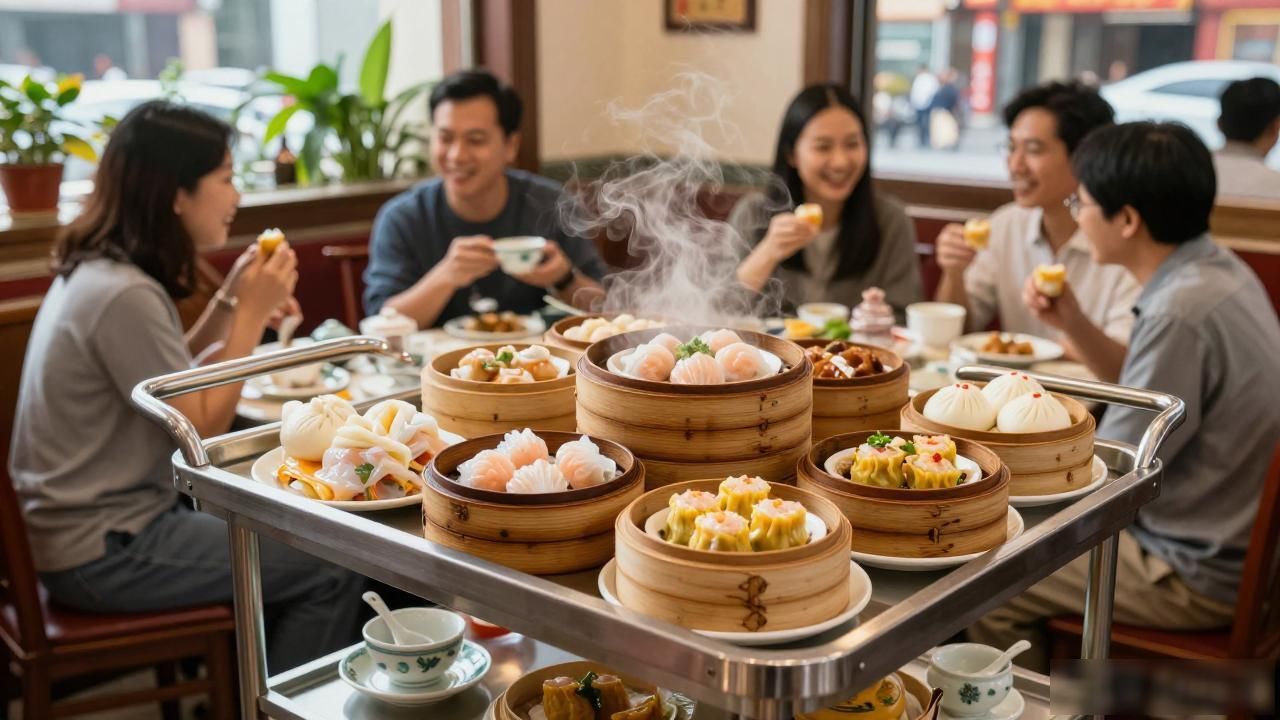
Chinese cuisine is often misunderstood abroad as being just greasy takeout. In reality, it is a vast culinary landscape defined by regional diversity, intricate techniques, and a balance of flavors that goes far beyond sweet and sour. From the fiery spices of Sichuan to the delicate dim sum of Guangdong, each dish tells a story of local history and geography. Understanding this complexity is key to appreciating why these dishes have conquered global palates.
Why Is Dim Sum So Popular?

Dim sum represents the heart of Cantonese dining culture, emphasizing freshness and variety. These small plates are designed for sharing, creating a communal atmosphere that appeals to modern diners seeking connection over solitary meals. The tradition involves pushing carts through bustling restaurants, allowing guests to select items on the spot. This interactive experience makes eating fun and unpredictable.
The technical skill required to make perfect har gow or siu mai is immense. The dough must be thin yet translucent, and the filling juicy but contained. Authentic dim sum relies on high-quality ingredients prepared with precision. Whether steamed or fried, these bites offer a texture contrast that is difficult to find in other cuisines. It is less about the food alone and more about the ritual of morning tea or weekend brunch with family.
What Makes Kung Pao Chicken Famous?
Kung Pao chicken has become a staple in Western Chinese restaurants, often serving as an introduction to spicy Asian flavors. Originating from Sichuan, the dish balances heat, sweetness,and nuttiness in a way that is accessible yet complex. The use of dried chili peppers and Sichuan peppercorns creates a unique numbing sensation known as mala. This sensation is unlike any other spice profile in global cooking.
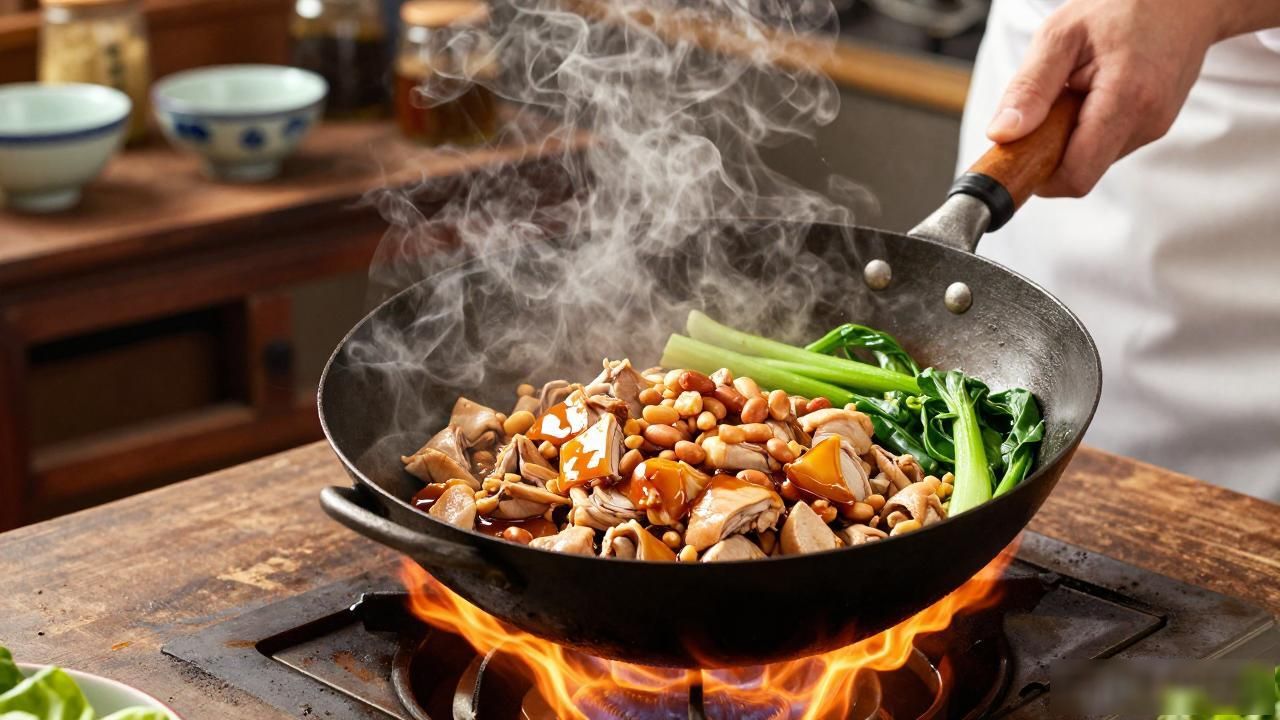
The dish itself is simple: diced chicken stir-fried with peanuts, vegetables, and a savory sauce. However, the execution determines its success. Chefs must control the wok hei, or breath of the wok, to impart a smoky aroma. Proper technique ensures the chicken remains tender while the peanuts stay crispy. This contrast in textures keeps every bite interesting. It is a testament to how home-style cooking can be elevated to gourmet status through skill and passion.