
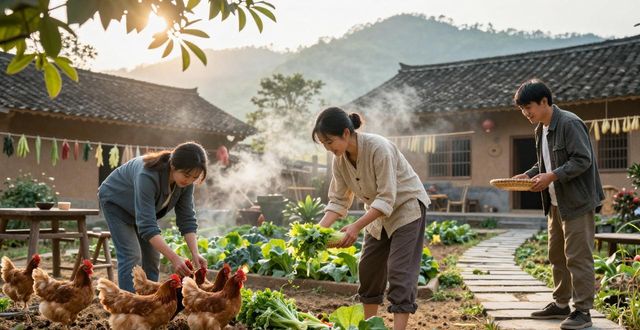
When travelers think of China, bustling megacities like Beijing and Shanghai often come to mind first. Yet the true soul of this ancient land lies hidden in its quiet countryside. A rural homestay experience offers an intimate window into local traditions,farm-to-table cuisine, and centuries-old ways of life that are rapidly disappearing. Unlike a standard hotel stay, living with a Chinese farming family allows you to wake up to rooster crows, learn to make tofu from scratch, and walk alongside water buffalo in misty rice terraces. This is not a curated performance for tourists but a genuine slice of daily existence.
What is daily life like at a Chinese farmstay

Most homestays operate on the rhythm of the sun. Your host family will rise around 5:30 AM to prepare breakfast using vegetables picked minutes earlier from their garden. You might help feed the chickens, collect fresh eggs, or stir-fry greens in a smoky clay wok. Afternoons are often spent tending crops—plucking tea leaves in Hangzhou’s Longjing village or harvesting lotus roots in Hunan’s wetlands. Evenings bring simple pleasures: sharing homemade rice wine, watching elders weave bamboo baskets, or listening to folk tales by a crackling fire. Do not expect luxury. Expect honesty, hard work, and warmth that no five-star hotel can replicate.
How to find a real homestay not a fake tourist trap
Skip international booking platforms that list “sanitized” rural resorts. Instead, use Chinese apps like Xiaozhu or Tujia, and look for listings with fewer than ten rooms. Read recent reviews from Chinese travelers—they will mention if the family actually farms or just pretends. Better yet, contact agritourism cooperatives in provinces like Yunnan, Guangxi, or Sichuan. Local tourism bureaus often certify authentic homestays where farming is the main income source. Another reliable method: search for villages famous for one product, such as Pu’er tea in Yunnan or persimmons in Gongcheng. Families growing and selling their own harvest rarely have time to put on fake shows.
What local food and customs should you expect
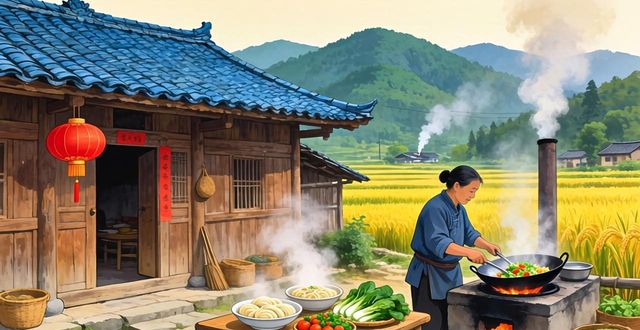
Meals are the heart of any rural homestay. Breakfast might be steaming rice porridge with pickled radish and a century egg. Lunch features whatever was just pulled from the soil—maybe stir-fried pea shoots, bamboo shoots with fatty pork, or whole fish from the village pond. Do not refuse food offered by your host; in rural China, finishing every grain of rice is a sign of respect. Customs vary greatly by region. In Guizhou’s Miao villages, guests are welcomed with a “blocking wine” ceremony where you must drink three tiny cups of sticky rice wine. In Fujian’s tulou roundhouses, elders may invite you to burn incense at the ancestral altar. Always ask permission before taking photos of people or sacred spaces.
Is a rural homestay suitable for families and solo travelers
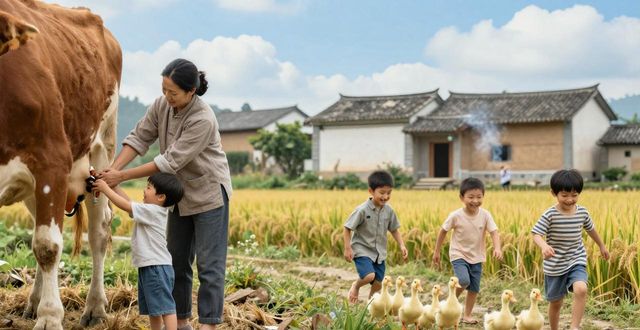
For families with children, this is an unforgettable living classroom. Kids can learn where milk actually comes from, try hand-pulling noodles, or chase ducks through paddies—far better than any screen time. Solo travelers find deep connections here too. Without Wi‑Fi distractions, conversations flow naturally. You might spend an afternoon learning paper-cutting from a grandmother or joining village men for a game of Chinese chess. That said, rural homestays are not for everyone. Those who need constant air conditioning, soft mattresses, or fluent English will struggle. Bring your own toiletries, a sleeping bag liner if you are sensitive, and a basic first-aid kit. Most importantly, pack patience and an open mind.
Have you ever considered trading a night in a luxury hotel for a muddy-footed, rooster-waking, heartwarming stay in a Chinese farmer’s home? Share your thoughts or questions below—and if this guide helped you, give it a like and pass it on to fellow adventurers.