
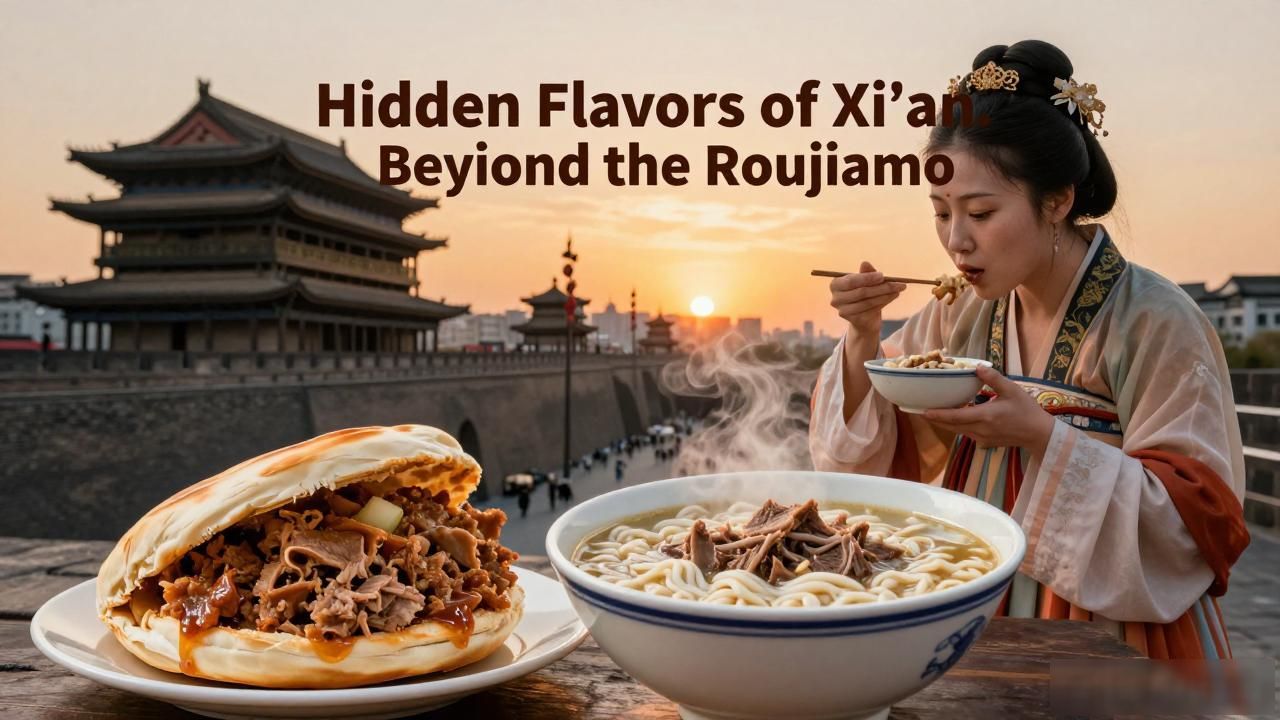
When most travelers arrive in Xi’an, their minds immediately drift toward the famous Roujiamo or the cumin-spiced lamb skewers lining the streets of Muslim Quarter. While these dishes are undeniably iconic and delicious, they represent only the surface layer of the city’s culinary history. To truly understand the soul of this ancient capital, one must look past the tourist traps and dive into the obscure, time-honored recipes that locals guard fiercely. These rare foods are not just meals; they are edible artifacts from the Tang Dynasty and earlier eras, offering a sensory journey through centuries of Silk Road exchange.
What are the forgotten Tang Dynasty desserts?

The culinary landscape of Xi’an is deeply rooted in its past as Chang’an, the eastern terminus of the Silk Road. This historical status brought an influx of exotic ingredients and cooking techniques from Persia, India, and Central Asia,which were then adapted into local Han Chinese traditions. One such survivor is Tang You Gao, or “Tang Oil Cake.” Unlike the modern fried dough sticks (Youtiao), this delicacy is made from a mixture of glutinous rice flour, honey, and sometimes minced nuts, fried until golden and crisp on the outside while remaining chewy inside. It is often served with a side of sweet bean soup, creating a balance of textures and flavors that has remained unchanged for over a thousand years.
Another lost treasure is Hu Lu Wa, a stewed melon dish that might sound strange to Western palates but is a staple in traditional medicinal diets. The melon is hollowed out, stuffed with lotus seeds, red dates, and rock sugar, then slow-cooked until the flesh dissolves into a rich, sweet broth. It is typically eaten during the warmer months to cool the body, yet it retains a complexity that rivals many modern fusion desserts. Finding a vendor who still prepares this authentically requires venturing into older neighborhoods like Beiyuanmen, where family-run shops have operated for generations. These spots rarely advertise online, relying instead on word-of-mouth among locals who value tradition over convenience.
Where to find authentic Northwest ethnic specialties?
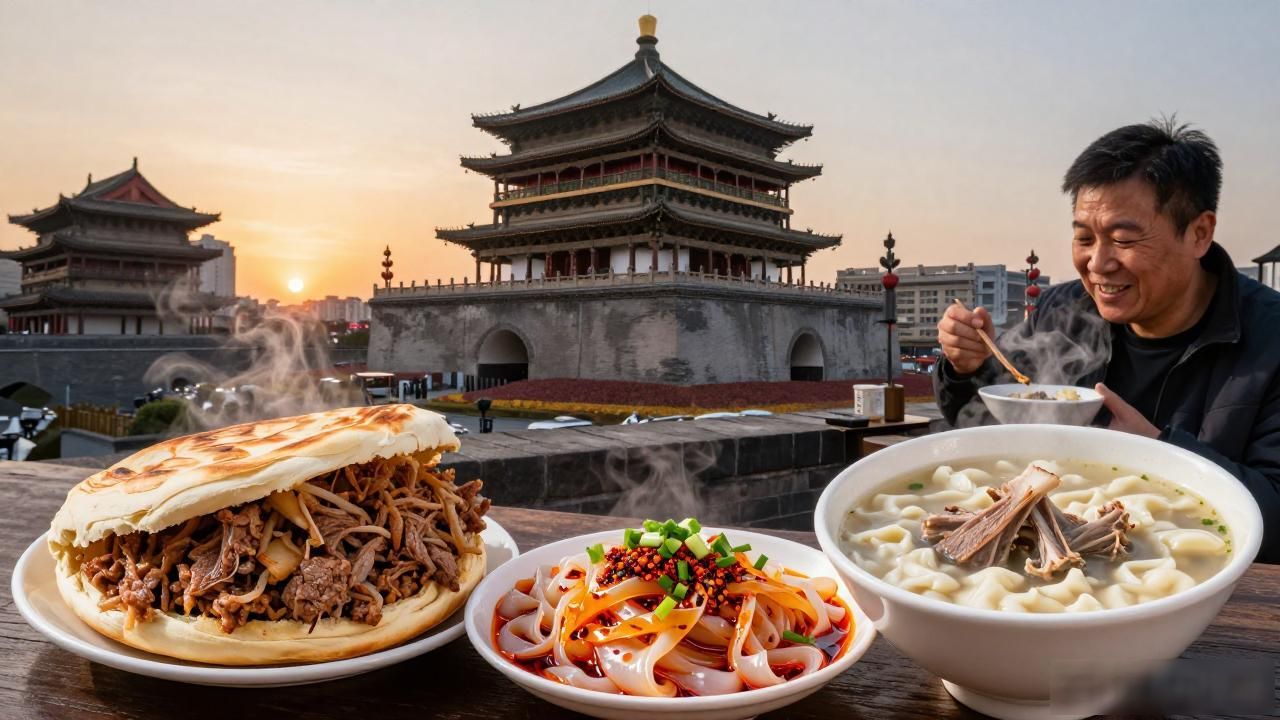
While the Han Chinese influence is strong, the minority cultures in Shaanxi province offer equally compelling, albeit harder-to-find, culinary experiences. The Hui people, who have lived in Xi’an for centuries, contribute significantly to the city’s food scene, but beyond the well-known beef noodles, there are niche dishes like Liangpi variations that differ wildly from street versions. Some elders prepare it with a unique blend of fermented wheat gluten and heavy garlic paste, served cold with vinegar that has been aged for decades. This specific type of vinegar, known as Chengguo Vinegar, has a depth of flavor that cannot be replicated by commercial brands, making the dish a rare treat for those who know where to look.
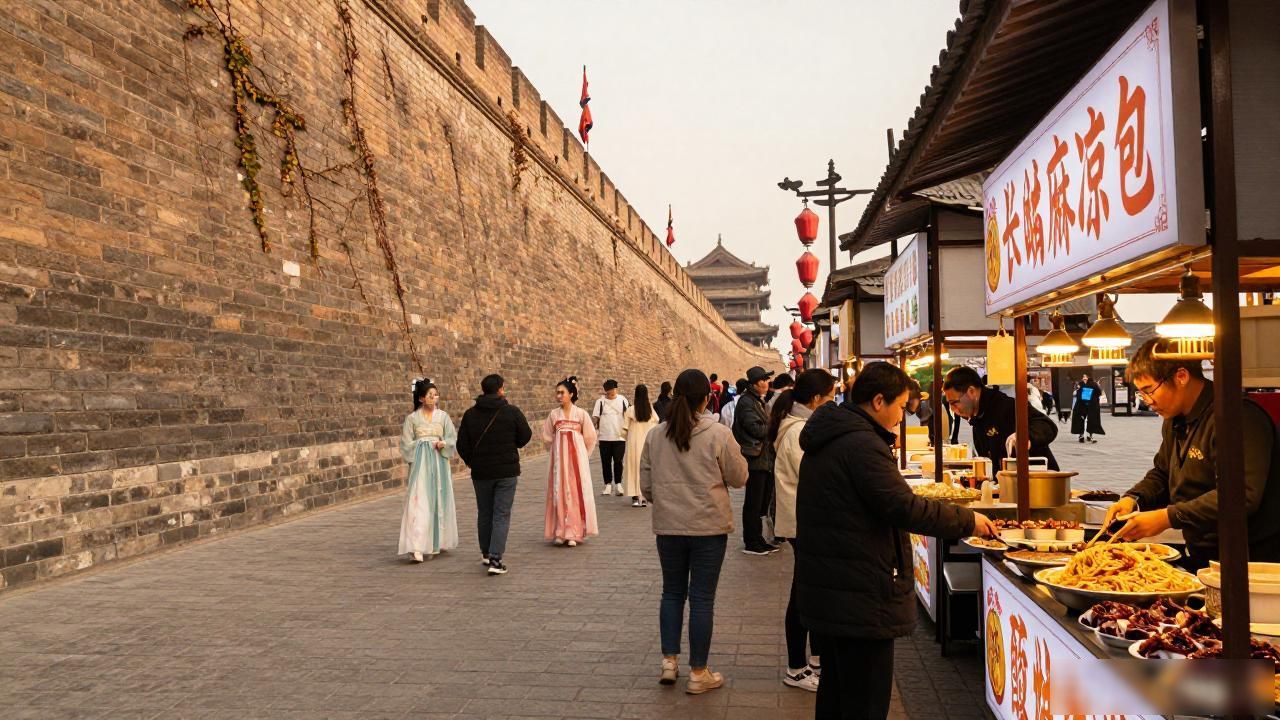
Furthermore, the northern regions of Shaanxi introduce millet-based dishes that are virtually unknown to outsiders. Millet Porridge here is not merely a breakfast item but a ceremonial food served during weddings and festivals. It is cooked slowly with rock sugar and goji berries, resulting in a thick, creamy consistency that is both soothing and energizing. In some rural areas surrounding Xi’an, you might also encounter Zhongzi, a sticky rice dumpling wrapped in reed leaves but filled with savory ingredients like dried mushrooms and pork fat, distinct from the sweet versions found elsewhere in China. These items require patience to locate, often involving conversations with shop owners in dialect-heavy districts, but the reward is a genuine connection to the region’s diverse heritage.
Exploring these rare foods transforms a simple trip to Xi’an into an archaeological dig of taste. Each bite reveals layers of history, migration, and cultural fusion that define the city’s identity. For the adventurous eater, stepping away from the main attractions and trusting local recommendations opens up a world of flavors that mainstream tourism overlooks.