
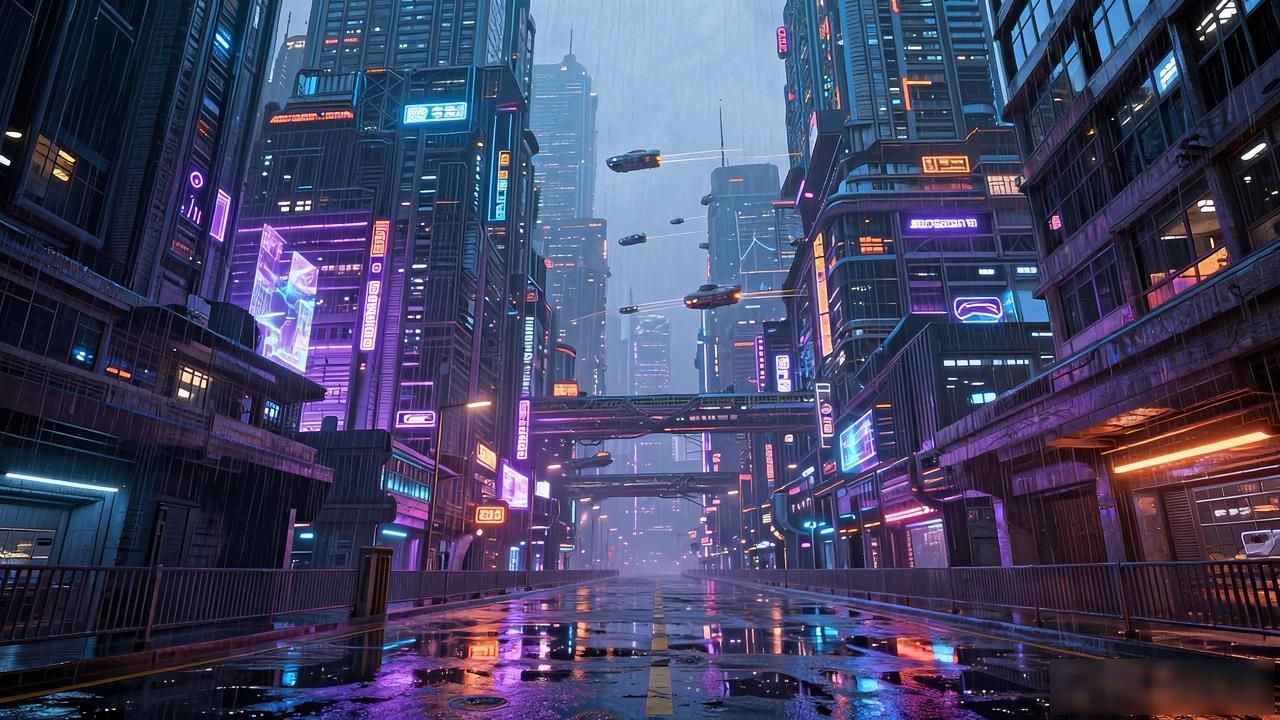
Chongqing is not merely a city; it is a vertical labyrinth that defies conventional urban planning, offering a visual experience akin to stepping directly into a sci-fi movie set. For travelers seeking the essence of cyberpunk architecture in Chongqing, the destination provides an overwhelming blend of ancient geology and futuristic infrastructure. The mist-shrouded mountains and dense fog create a natural atmosphere that enhances the neon-lit skyscrapers, making every corner feel like a scene from a dystopian novel. This unique topography forces architects to build upwards rather than outwards, resulting in layers upon layers of roads, buildings, and transit systems that intersect in chaotic yet harmonious ways.
The appeal lies in the sheer density and complexity of the urban fabric. Unlike flat cities where skyline views are linear, Chongqing offers a multi-dimensional perspective where you can look up at one building while standing under another massive structure. This depth creates a sense of disorientation that many visitors find thrilling. The interplay of light and shadow in the narrow alleys, combined with the glowing advertisements and LED screens, produces a vibrant aesthetic that is both gritty and glamorous. It is a place where tradition and hyper-modernity collide, creating a distinct cultural identity that stands apart from other Chinese metropolises.

Where is the best spot for cyberpunk photos?
The Liziba Station is arguably the most iconic location for capturing this aesthetic. Here, a monorail train plunges directly through the mid-section of a residential apartment block, a spectacle that perfectly encapsulates the city’s surreal nature. Visitors often gather on the observation deck opposite the station to capture the train emerging from the building against a backdrop of towering concrete structures. The angle provides a perfect frame for photography, emphasizing the scale and integration of public transport within private living spaces. This is the quintessential image associated with Chongqing’s futuristic vibe, drawing crowds eager to document the phenomenon.
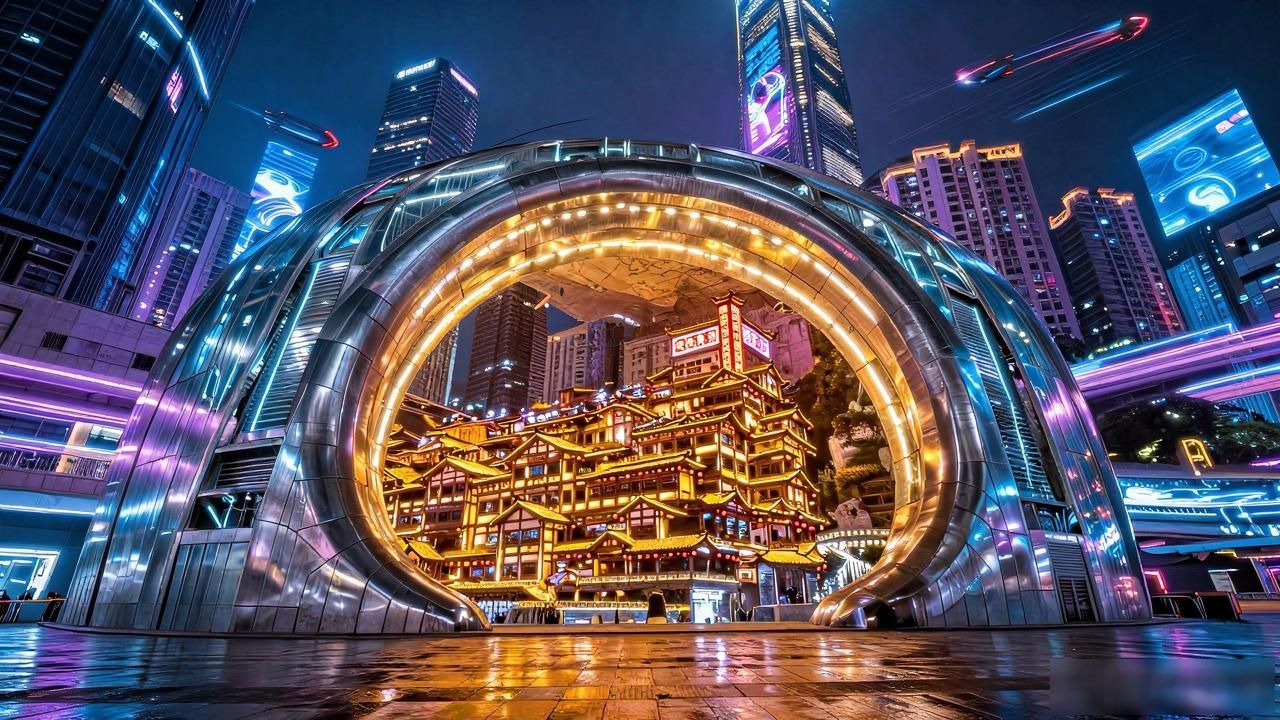
Another critical area is Hongya Cave, which resembles the bathhouse from Spirited Away but is constructed with modern materials and lighting. At night, the cave-like structure glows with warm yellow lights, contrasting sharply with the cool blue and purple hues of the surrounding skyscrapers across the river. The Jiefangbei Central Business District also offers high vantage points. Climbing to the top of One Channel Grid allows for panoramic shots of the Yuzhong Peninsula, revealing the endless layers of bridges and highways that define the city’s layout.
How does the terrain affect the architecture?
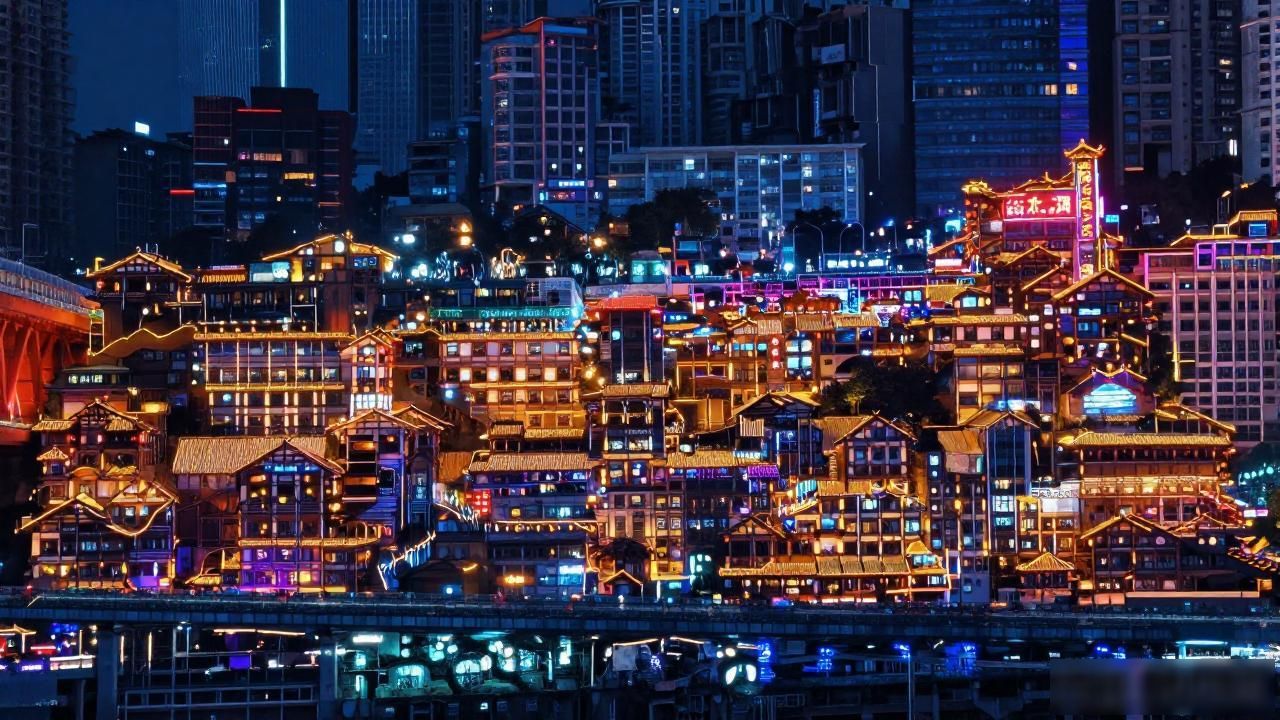
Chongqing’s mountainous geography dictates its architectural style, forcing engineers to innovate constantly. The lack of flat land means that buildings must be stacked,cantilevered, or built into cliffsides. This results in structures that seem to float in space or emerge from the rock itself. The city’s road system is equally complex, with multiple levels of highways weaving through the urban core. Pedestrians often find themselves confused by the number of exits and entrances, as what appears to be the first floor might actually be the tenth floor depending on the street level you are on.
This verticality influences the design of public spaces and commercial centers. Malls are not just single entities but interconnected networks that span across different elevations. The use of glass facades and metal frameworks is prevalent, allowing for large windows that capture the dynamic views of the city below. The result is a city that feels alive and constantly shifting, with each turn revealing a new perspective on the urban landscape. The architecture serves not just functional purposes but also acts as a canvas for light and shadow, enhancing the cyberpunk atmosphere that attracts photographers and tourists alike.