
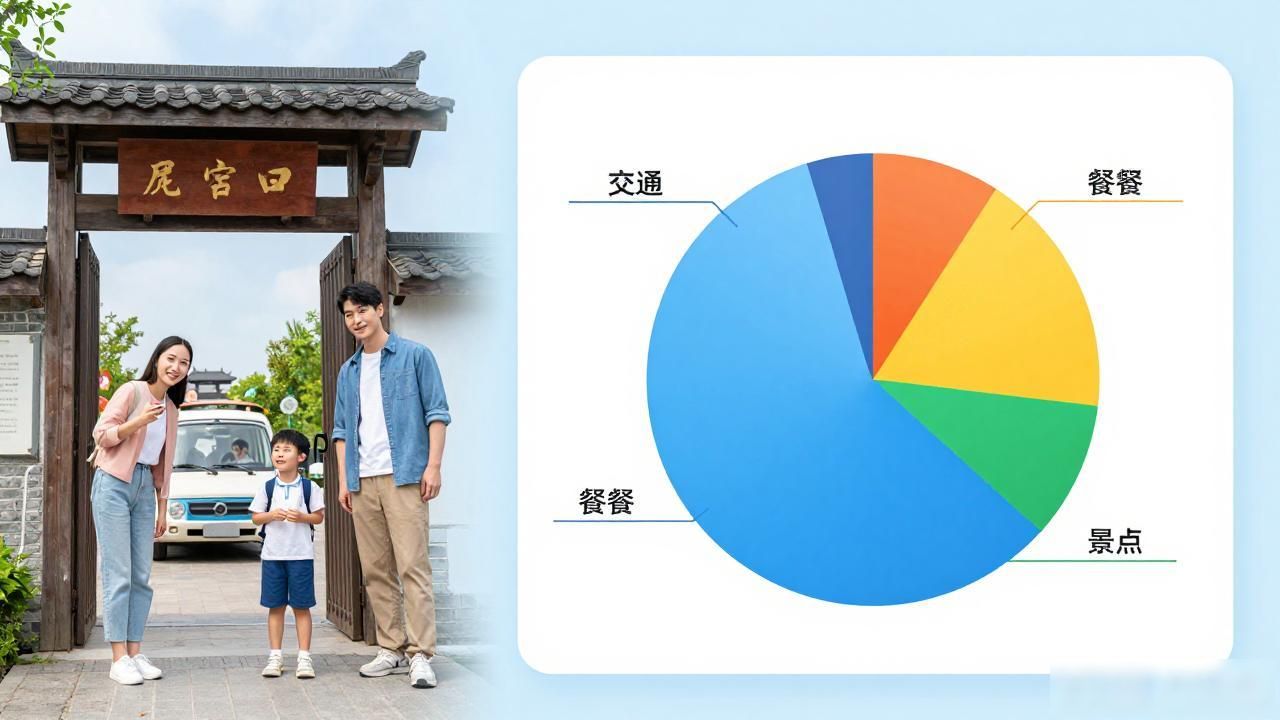
Planning a trip to China with kids can feel overwhelming, especially when money is involved. Many parents assume it’s either prohibitively expensive or surprisingly cheap, but the truth lies somewhere in between. The cost depends heavily on where you go, how long you stay, and what kind of experiences you prioritize. I’ve seen families spend as little as $1,000 for a week in smaller cities and over $5,000 for premium experiences in Beijing or Shanghai. Understanding these variables helps in creating a realistic plan without compromising on fun or safety.
What is the average daily cost for a family in China?

Accommodation sets the baseline for most trips. In tier-one cities like Shanghai or Beijing, mid-range hotels cost around $80 to $120 per night. However, if you venture into places like Chengdu or Xi’an, you might find comparable comfort for half that price. For families, booking two rooms or a suite can impact costs significantly. Choosing locally-owned guesthouses often provides better value and a more authentic cultural experience compared to international chains.
Food expenses vary wildly depending on your dining preferences. Street food and local noodle shops are incredibly affordable, often costing less than $5 per meal. A family of four could easily eat well for under $30 a day at these spots. Conversely, Western-style restaurants or high-end hotel dining can double or triple that budget quickly. Most travelers find a happy medium by mixing local eateries with occasional nice dinners. This approach keeps costs down while still allowing for culinary exploration.
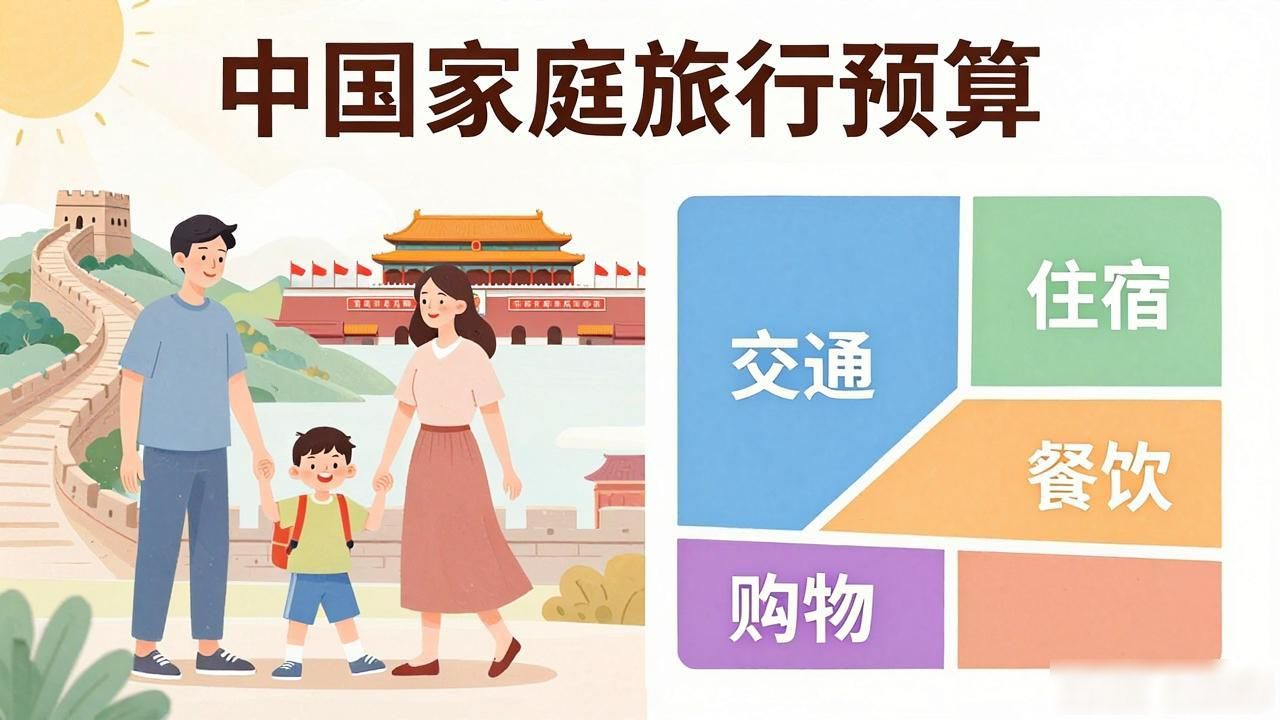
Transportation within cities is another key factor. The subway systems in major Chinese cities are clean, efficient, and cheap. A single ride might cost less than $1. Taxis are also reasonably priced for short distances,though traffic in megacities can be heavy. High-speed trains between cities offer great value, often costing half the price of flights for similar journey times. Budgeting for inter-city transport separately ensures you don’t get caught off guard by ticket prices during peak seasons.
How can you save money on attractions and activities?
Entry fees for major sites like the Great Wall or the Forbidden City are surprisingly low, usually ranging from $10 to $20 per person. Children under a certain height or age often enter for free. This makes historical sightseeing very accessible for families on a budget. However, some private tours or specialized experiences, like kung fu lessons or tea ceremonies, carry higher price tags. Opting for self-guided exploration allows you to control costs while enjoying the freedom to wander.
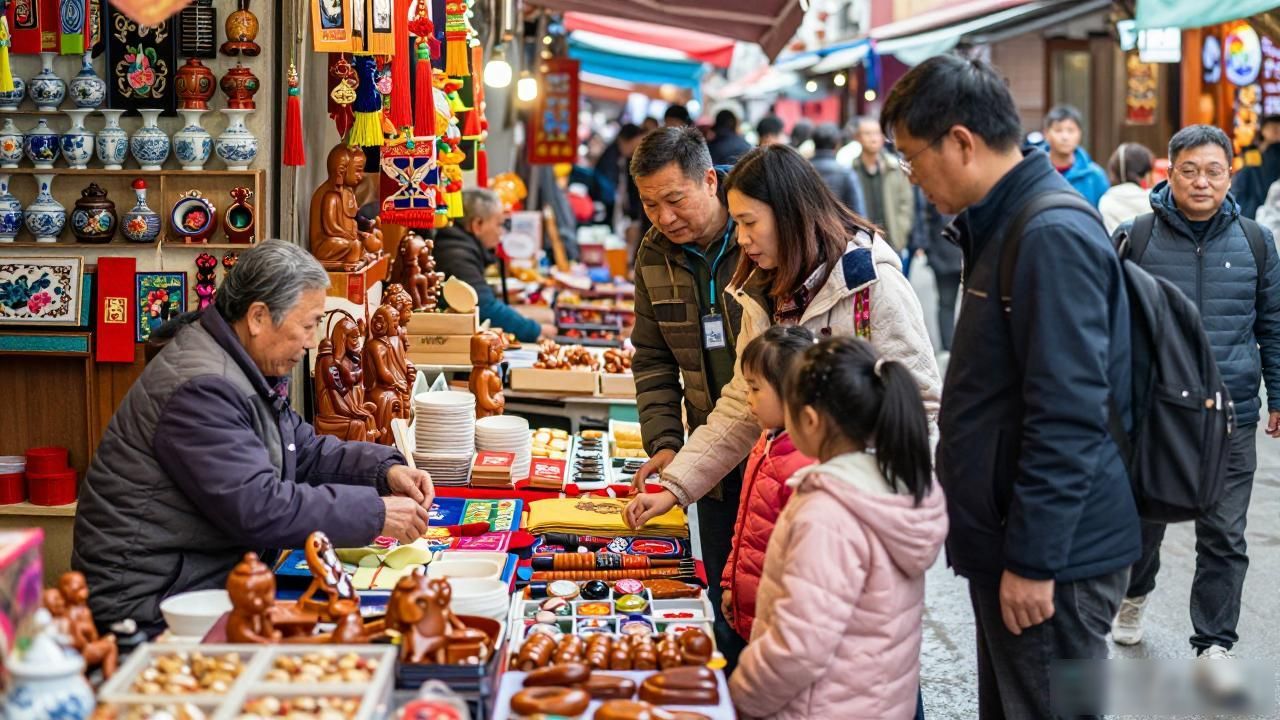
Souvenirs and shopping can easily inflate a travel budget if not managed. While malls offer familiar brands, they rarely provide significant savings. Local markets and street stalls offer unique items at much lower prices. Haggling is expected in these settings, so don’t hesitate to negotiate politely. Focusing on small, meaningful souvenirs rather than bulk purchases keeps spending in check. This mindset shift prevents impulse buying and ensures every dollar spent adds value to your memories.
Finally, timing your visit plays a crucial role in overall costs. Traveling during shoulder seasons—spring and autumn—avoids the extreme crowds and inflated prices of summer holidays and Chinese New Year. Flights and hotels drop in price, and the weather remains pleasant. By planning ahead and staying flexible, families can enjoy a rich, educational, and memorable Chinese adventure without breaking the bank.
Great content! Keep up the good work!
This breakdown is spot-on, especially the emphasis on high-speed trains and mixing local dining! When traveling with kids in China, high-speed rail isn’t just a budget-saver compared to domestic flights—it’s often much smoother for families since you avoid airport security lines and delays. I also agree that staying in cities like Xi’an or Chengdu offers a much higher comfort-to-cost ratio while providing an unforgettable cultural experience.