
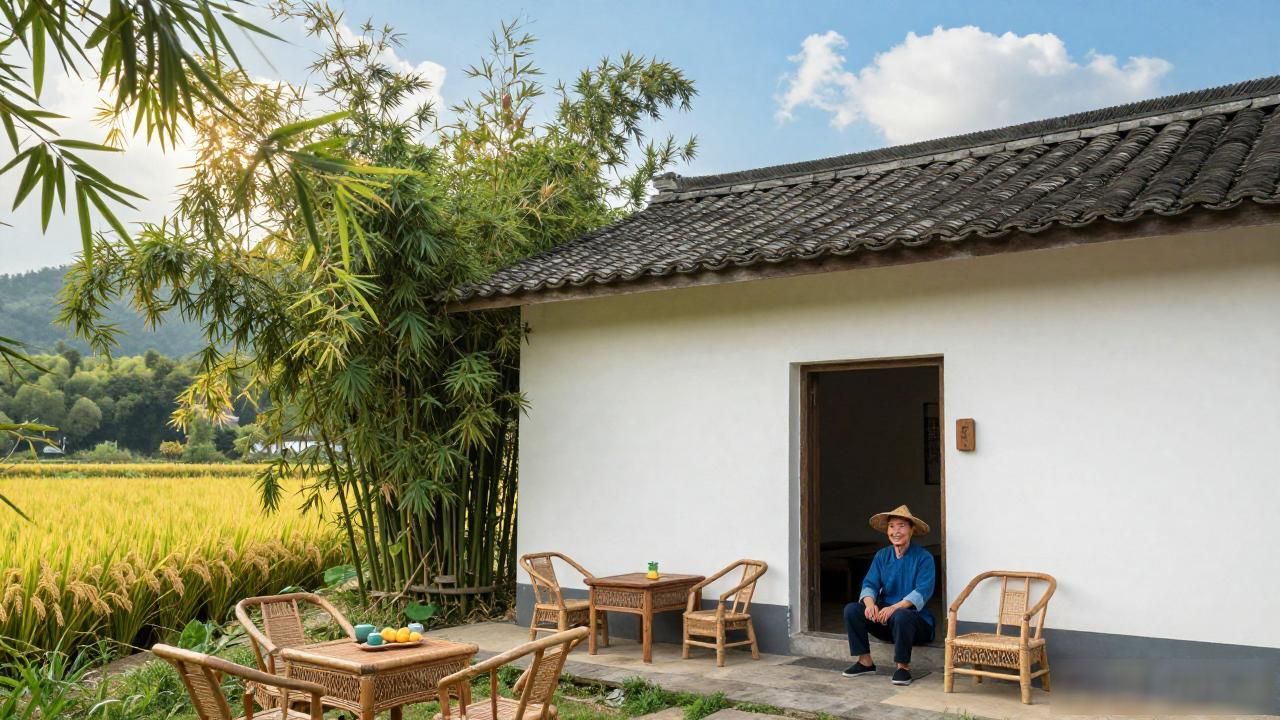
Traveling through China often feels like rushing between high-speed trains and neon-lit skyscrapers. Many visitors miss the quiet pulse of the countryside, where time moves differently and hospitality is genuine, not transactional. Staying in a rural home offers a rare chance to step off the beaten path and connect with local life. It is not just about accommodation; it is about immersion. You wake up to rooster calls instead of traffic noise. You eat food grown in the garden next door. This experience changes how people view modern China, revealing a side that is warm, slow, and deeply rooted in tradition.
Where to find best rural homestays in China?

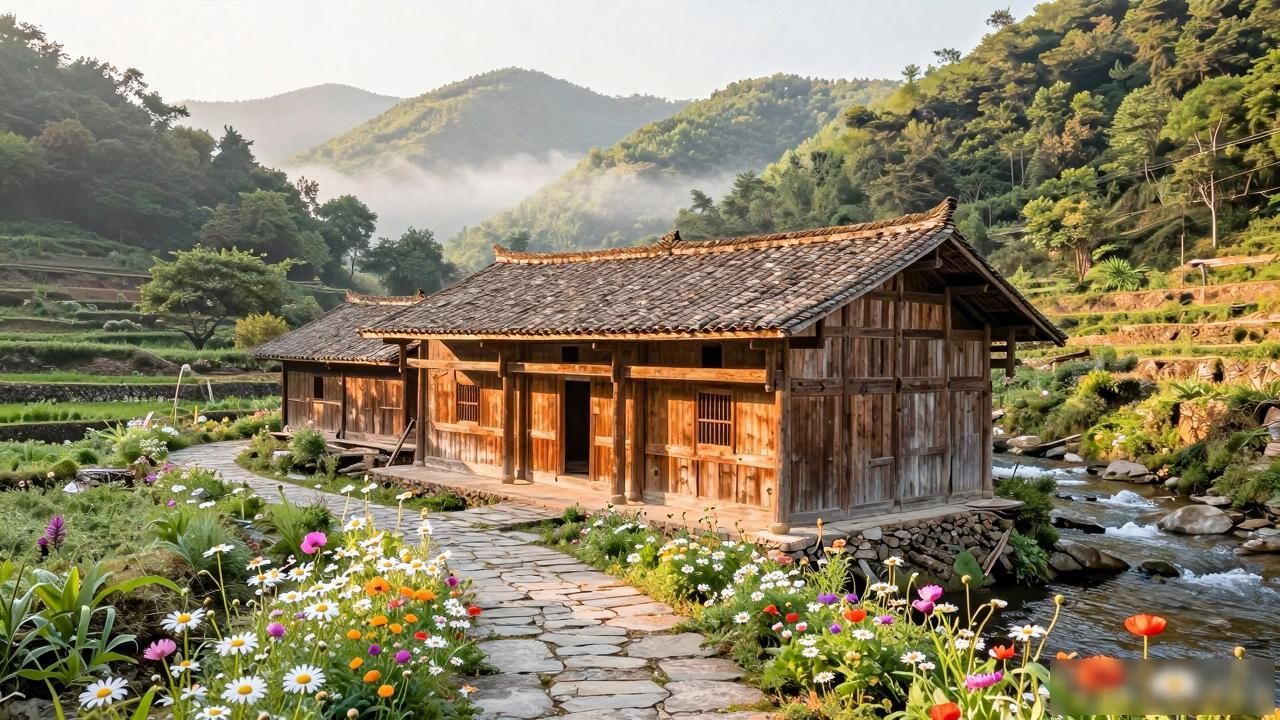
The most popular destinations for authentic rural experiences are in Yunnan, Guizhou, and Zhejiang provinces. These regions offer diverse landscapes, from terraced rice fields to ancient stone villages. In Yunnan, homestays often blend traditional Bai or Naxi architecture with modern comforts. Guests can hike through misty mountains during the day and share tea with hosts at night. Guizhou’s Miao and Dong villages provide a unique cultural backdrop. Here, architecture is distinct, with wooden stilt houses perched above rivers. The communities are tight-knit, and visitors are often invited to join local festivals. Zhejiang’s water towns offer a softer aesthetic. Canals wind through white-walled homes, creating a serene atmosphere ideal for relaxation.
Choosing the right location depends on what you seek. Some travelers prefer the rugged beauty of the southwest, while others enjoy the gentle charm of the east. Booking platforms now list thousands of options, but reading reviews is crucial. Look for comments about cleanliness and host interaction. Local guidance is often the biggest value add. A good host can arrange village tours, introduce you to artisans, or take you to hidden eating spots. Avoid overly commercialized spots that claim to be “rustic” but feel like hotels. True rural stays have character, sometimes even quirks. Old floors creak, and bathrooms might be simple. Embrace these details as part of the adventure. They remind you that you are far from the standardized city experience.
What to expect from rural China homestay stay?
Expect a shift in pace and routine. Days start early,aligned with the sun rather than alarms. Breakfast might include homemade noodles or steamed buns prepared by your host. Lunch is often a communal affair, featuring seasonal vegetables and locally raised meat. Dinner may involve sitting around a stove, warming up while sharing stories. Communication barriers can exist, but simple gestures bridge gaps. A smile goes a long way. Learning basic phrases helps, but willingness to engage is more important. Hosts are usually proud to show their home and culture. They may teach you to make tofu or weave bamboo. These activities create lasting memories beyond sightseeing.
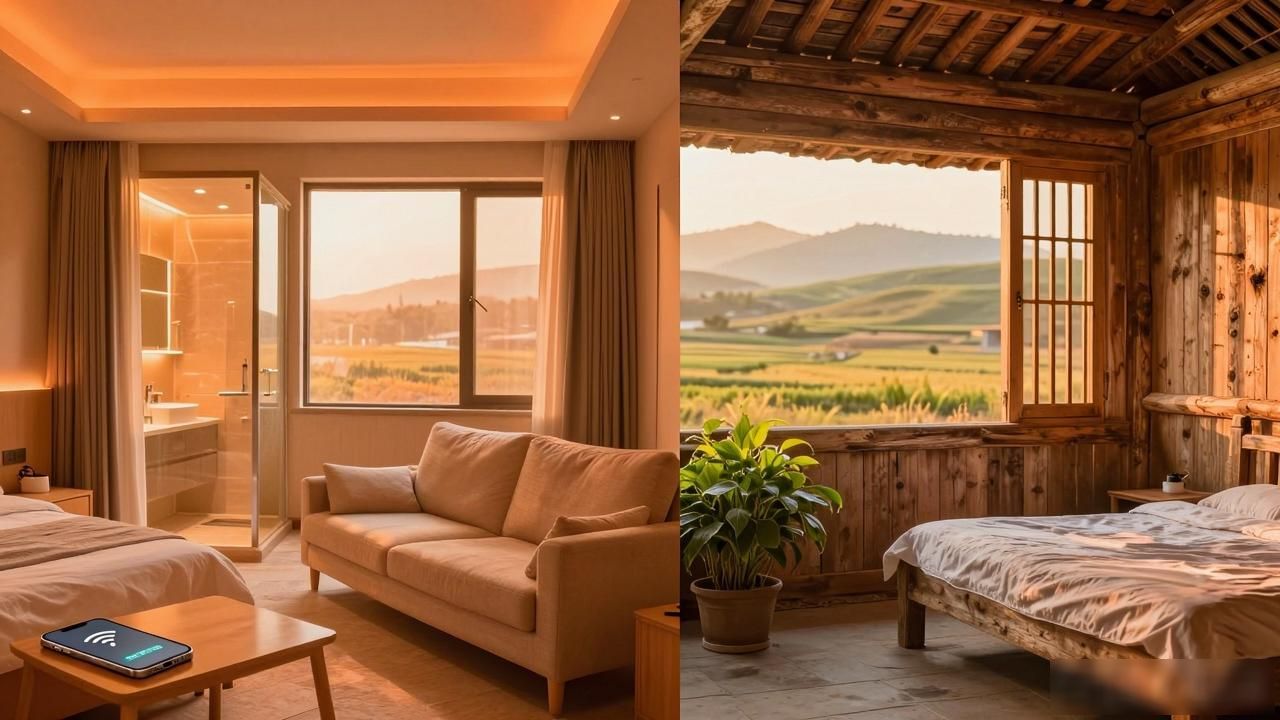
Comfort levels vary significantly. While some rural homes have been upgraded with private baths and Wi-Fi, others remain rustic. Research is key to matching expectations. If you need luxury, look for boutique rural estates. For true authenticity, be prepared for simplicity. Electricity might cut out during storms. Hot water may depend on the sun. These challenges are part of the charm for many. They force you to disconnect from digital distractions. Nights are dark and quiet, allowing for deep sleep and star-gazing. The lack of noise pollution is a gift. You hear crickets and wind, not sirens. This sensory shift is profound. It restores a sense of calm that city living rarely allows.
Embracing a rural homestay means accepting uncertainty. Things may not go as planned. Roads might be muddy, and schedules fluid. Yet, this unpredictability brings joy. You meet neighbors who become friends. You discover flavors you never knew existed. The kindness of strangers becomes a recurring theme. China’s countryside holds secrets that guidebooks cannot capture. Only by staying there can you uncover them. Leave your itinerary flexible. Allow room for spontaneity. Let your host lead you to places unknown. This approach transforms a trip into an adventure. It turns observers into participants. The memories formed in these quiet corners often last longer than those in famous landmarks.