
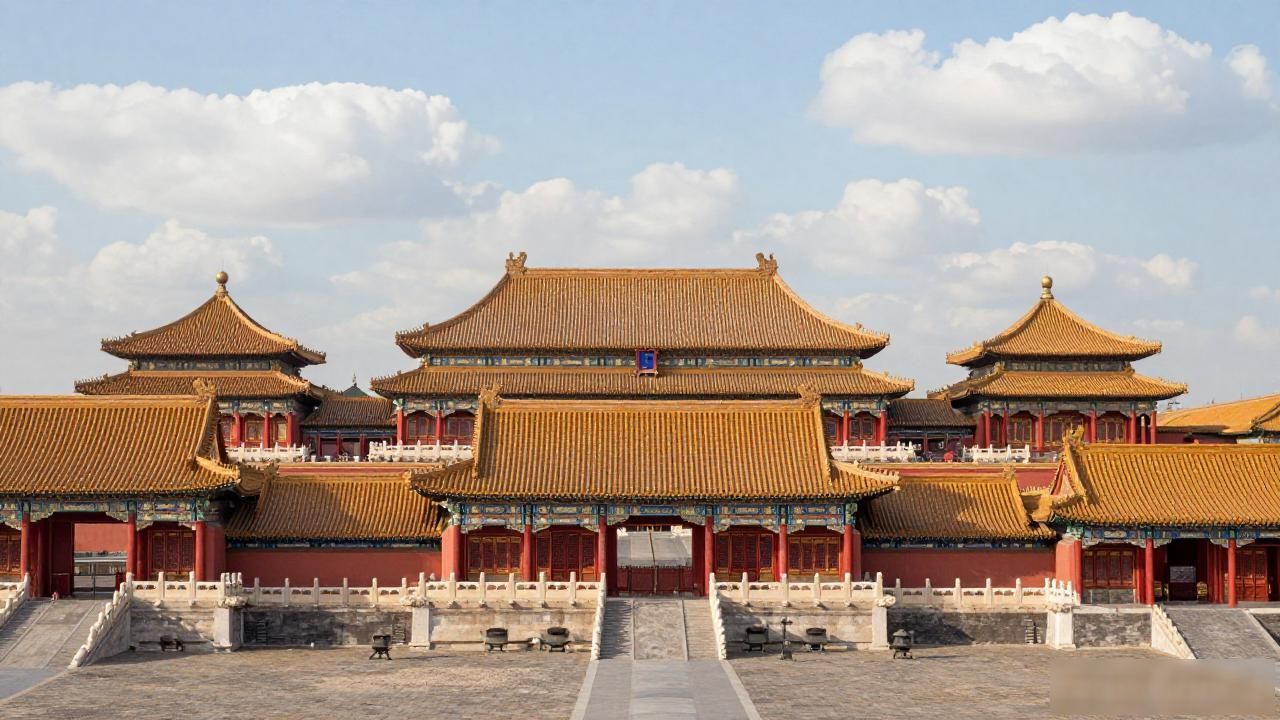
Standing before the vermilion walls of the Forbidden City, one does not merely look at a museum; one steps into the living pulse of Chinese history. This imperial palace is not just a collection of wooden structures and golden roofs. It is a profound expression of cosmology, power, and aesthetic philosophy that has shaped Chinese identity for centuries. To understand China, you must walk its courtyards. The layout reflects the ancient belief in harmony between heaven and earth, while every detail whisper stories of emperors who once ruled half the world.
What Makes The Forbidden City Architecturally Unique

The architecture here defies simple description. It follows strict symmetrical lines along a central north-south axis, mirroring the order of the cosmos. This symmetry represents stability and imperial authority, a concept deeply rooted in Confucian thought. Unlike Western palaces that often emphasize verticality and stone grandeur, the Forbidden City relies on intricate wooden bracketing called dougong. These interlocking pieces allow the buildings to sway slightly during earthquakes, showcasing an engineering wisdom that has survived for six hundred years. The use of color is equally symbolic. Yellow tiles were reserved exclusively for the emperor, representing the center of the universe, while red walls symbolized happiness and good fortune.
How Imperial Life Shaped Modern Traditions
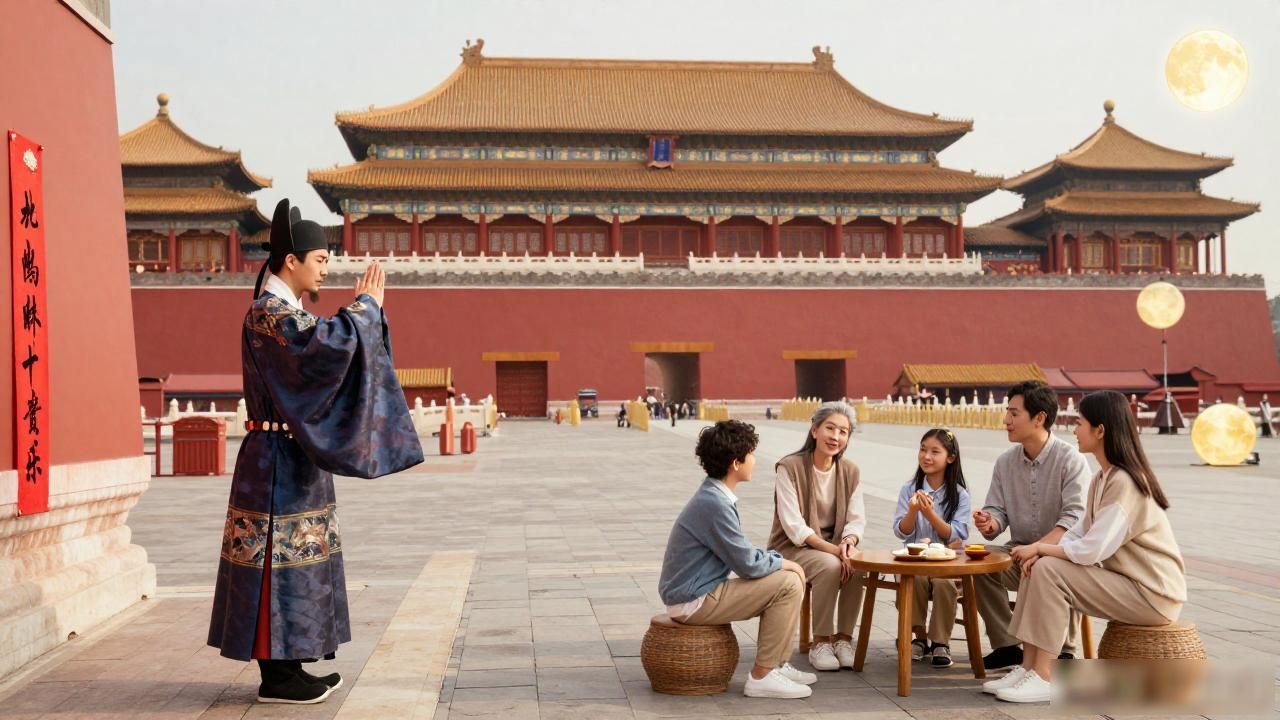
Beyond the stones, the daily rituals within these walls influenced countless aspects of contemporary Chinese life. The strict hierarchy observed in court ceremonies evolved into enduring social values regarding respect for elders and family structure. Many traditional festivals trace their origins to imperial sacrifices held in this very space, such as prayers for a bountiful harvest or national peace. Even today, elements of imperial fashion, from the dragon motifs on ceremonial robes to the specific ways tea was served, remain popular symbols of cultural pride. Visiting this site offers a tangible connection to the past, helping modern people understand the deep historical roots of their own customs and beliefs.
This article beautifully captures how the Forbidden City is far more than an architectural achievement—it’s a physical embodiment of Chinese cosmology and Confucian philosophy. The highlight on dougong (the interlocking wooden brackets) is a wonderful touch; it demonstrates that the palace’s longevity is due to brilliant flexible engineering rather than rigid force. It’s fascinating to reflect on how that same philosophy of balance, harmony, and resilience still manifests in broader Chinese culture today.