
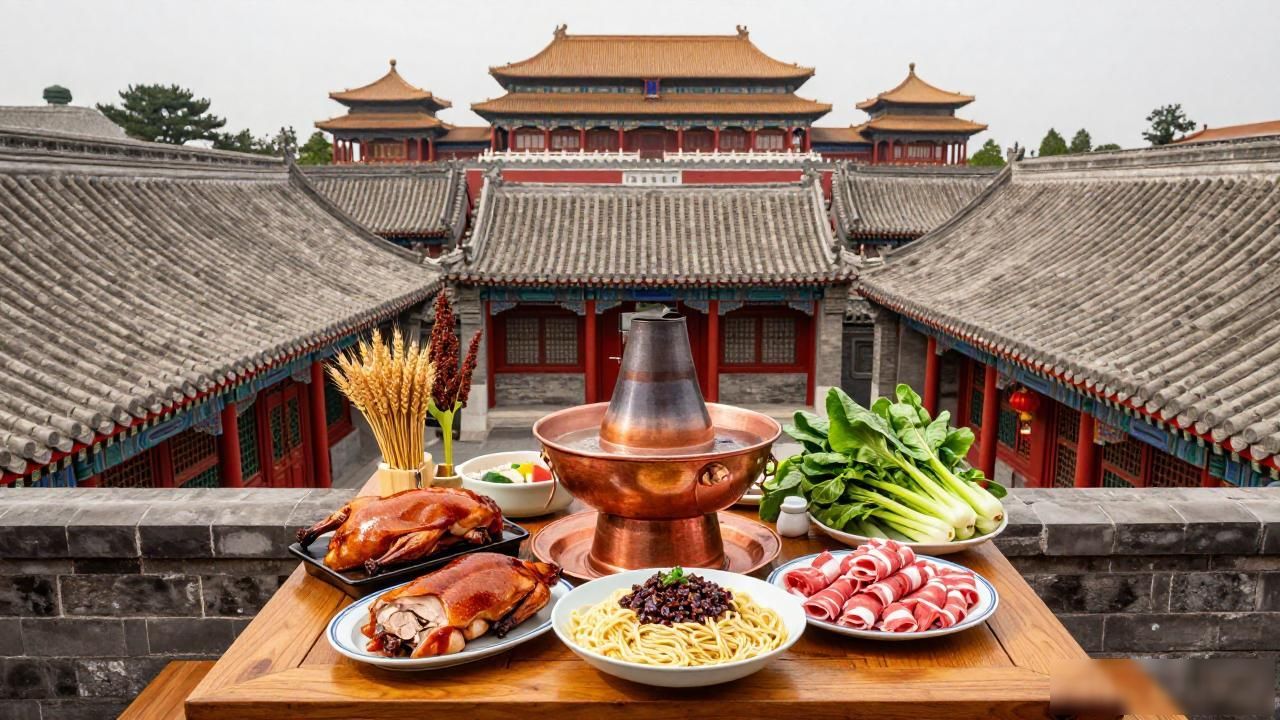
Beijing’s culinary identity is far more complex than the occasional Peking duck dinner. It is a living archive of imperial history, migrant influences, and local ingenuity. For travelers seeking authenticity, understanding this heritage means looking beyond tourist traps into the daily rhythms of hutong life and seasonal market traditions. This deeper engagement reveals a culture where food is memory, status, and community all at once.
Why Is Beijing Cuisine Distinct From Other Chinese Regional Styles?

Many assume all Chinese food tastes similar, but Beijing’s salty, savory profile stands apart from the spicy Sichuan or sweet Cantonese styles. The foundation lies in its history as a political center, attracting chefs from across the empire who adapted their skills to local ingredients like wheat and lamb. This fusion created a unique palate that prioritizes texture and rich, umami-heavy sauces over heat or sweetness.
The use of coarse grains and vegetables reflects the city’s northern climate and agricultural constraints. Unlike southern regions reliant on rice and seafood, Beijing embraced wheat-based noodles, dumplings, and steamed buns. These staples were elevated through meticulous preparation techniques passed down through generations. The result is a cuisine that feels hearty,grounded, and deeply connected to the land.
How Can You Experience Authentic Beijing Food Heritage Today?
Walking into a century-old restaurant might seem like the obvious choice, but true heritage often hides in neighborhood eateries. Look for places where locals queue for jianbing (savory crepes) or steaming bowls of zhajiangmian. These everyday meals carry centuries of tradition in their simple yet precise execution. Engaging with street vendors offers insight into how food adapts to modern urban life while retaining core flavors.
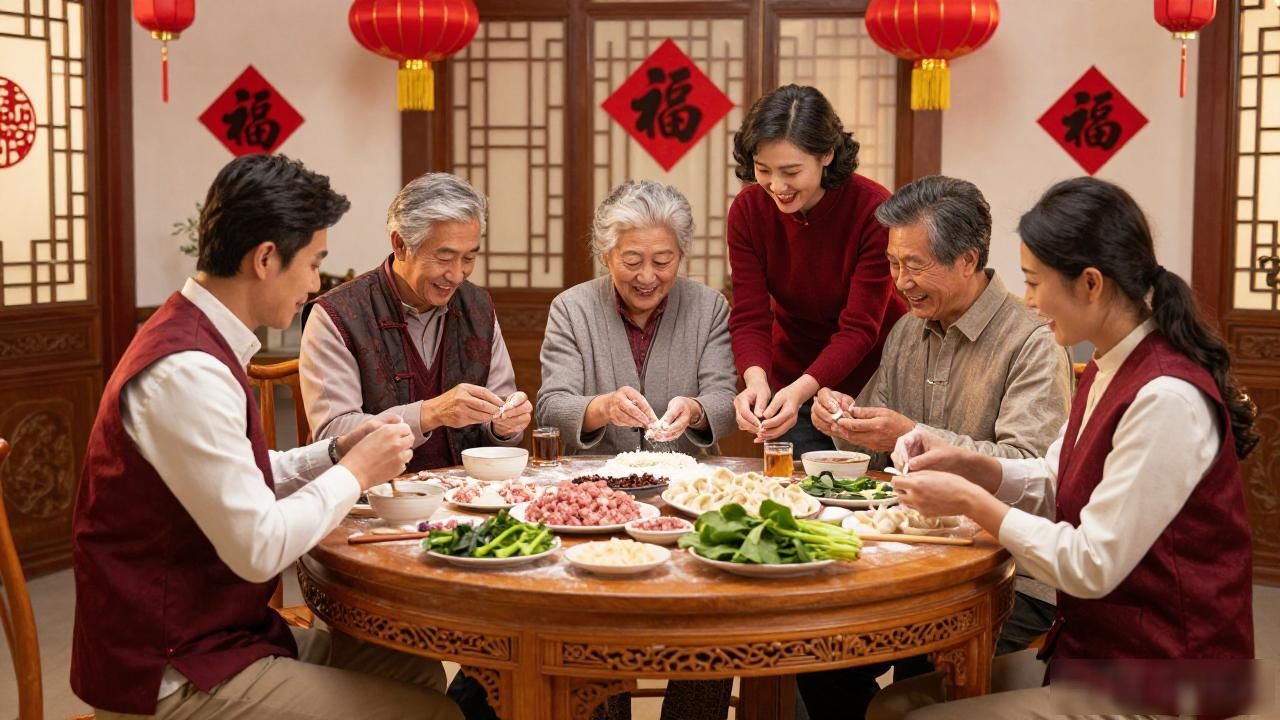
Seasonal festivals also play a crucial role in preserving these culinary practices. During Lunar New Year, families gather to make dumplings, symbolizing wealth and unity. Mid-Autumn Festival brings mooncakes filled with lotus paste or red bean. Participating in these events allows outsiders to witness food as a ritual rather than just sustenance. Such experiences connect diners to the emotional and spiritual layers of Beijing’s gastronomic history.
Ultimately, Beijing’s food heritage is not static. It evolves with each generation, absorbing new influences while holding fast to essential techniques. To understand it is to taste the city’s resilience and creativity. Every bite tells a story of empires rising and falling, of merchants trading spices along ancient routes, and of families passing recipes down like heirlooms. This is the soul of Beijing on a plate.