
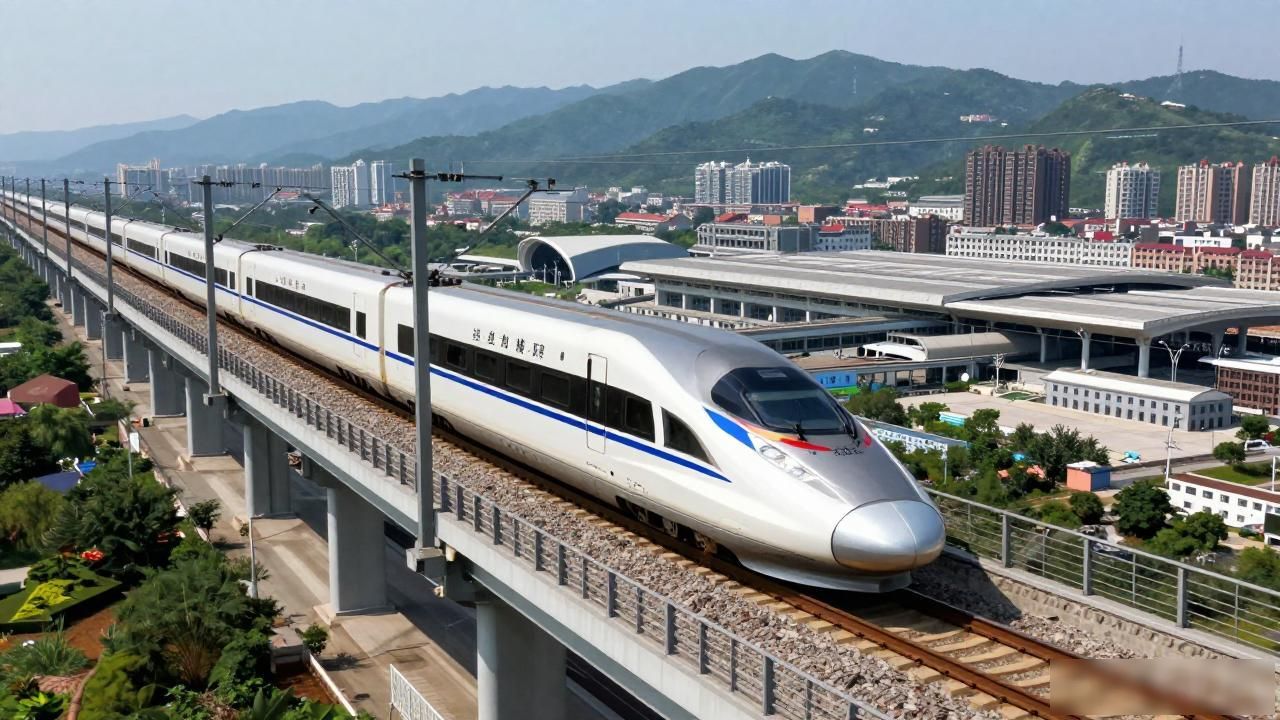
China’s public transportation infrastructure has evolved into a marvel of modern engineering and logistical efficiency, fundamentally reshaping how travelers and residents move across vast distances. For visitors unfamiliar with the scale of Chinese urbanization, understanding this network is not just a convenience but a necessity for seamless travel. The system integrates high-speed rail, extensive metro networks, and efficient bus services, creating a unified ecosystem that prioritizes speed, affordability, and coverage. Recognizing the sheer magnitude of these operations helps demystify the experience, transforming potential anxiety into confident exploration.
Efficiency And Speed On The Rails

The backbone of intercity travel in China is undoubtedly its high-speed rail network, which stands as a testament to rapid technological advancement and strategic planning. Travelers can cover distances that would take days in other countries within mere hours,connecting major metropolitan hubs with smaller cities alike. This speed is matched by punctuality and frequency, allowing for spontaneous itineraries without the rigid scheduling constraints often found elsewhere. Booking tickets in advance via official apps remains the most reliable method, ensuring seats on popular routes during peak seasons.
Urban mobility relies heavily on expansive metro systems that serve as the circulatory system of megacities like Beijing, Shanghai, and Shenzhen. These underground networks are clean, well-signed, and operate at intervals that minimize wait times even during rush hours. The integration of payment methods has also streamlined entry, with QR codes and NFC technology replacing traditional paper tickets for most users. Navigating stations requires familiarity with basic directional signs, which are increasingly provided in English to accommodate the growing number of international visitors seeking comfort and clarity.
Navigating Urban Transit With Ease
Beyond trains and metros, local buses and ride-hailing platforms offer flexible alternatives for last-mile connectivity and exploring non-central areas. While buses provide an economical way to see city life up close, they can be challenging for those who do not read Chinese, making digital map applications indispensable. Using localized mapping tools ensures real-time route optimization and prevents missed stops or incorrect transfers. Ride-hailing services complement public transit by offering door-to-door convenience, bridging gaps where fixed infrastructure may not reach.
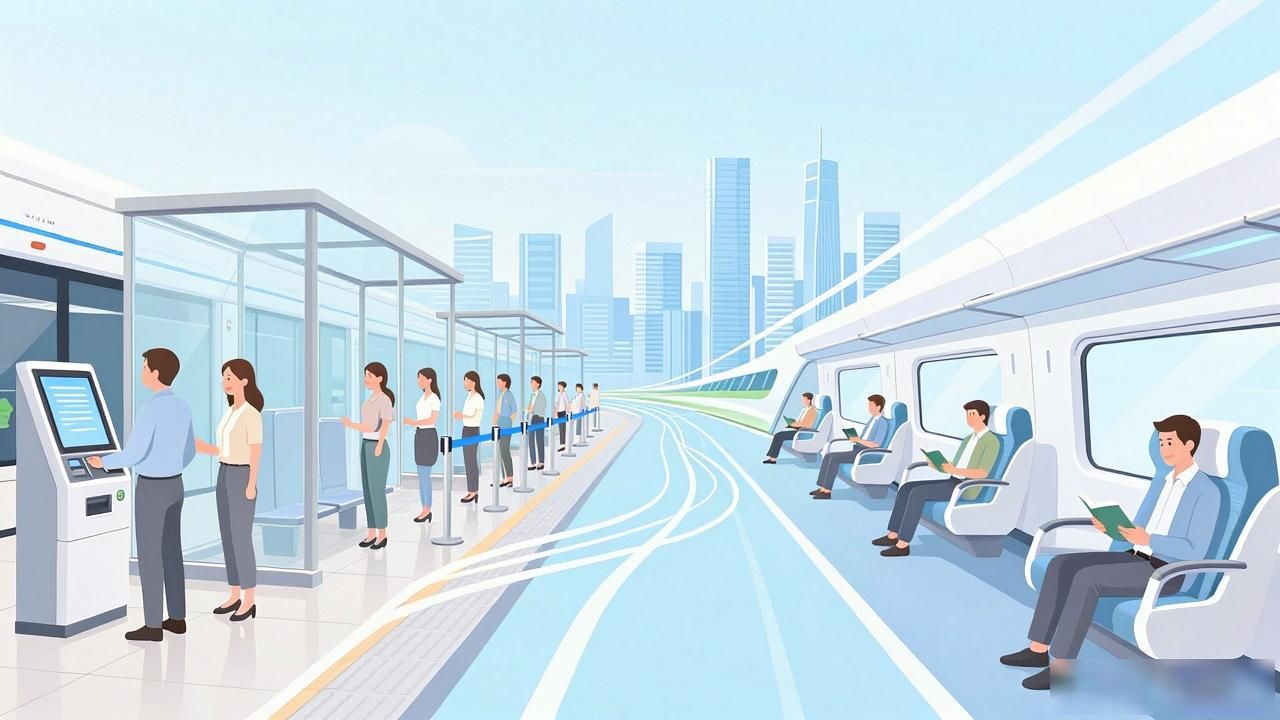
Understanding cultural nuances enhances the overall experience, such as adhering to queueing etiquette and respecting personal space during crowded commutes. Safety standards are rigorously enforced, with security checks common at major stations and constant monitoring within vehicles. Embracing these practices not only ensures smooth travel but also fosters respectful interactions with locals who rely on these daily commuters. The synergy between traditional methods and digital innovation creates a robust framework that supports both economic activity and social connectivity across the nation.