
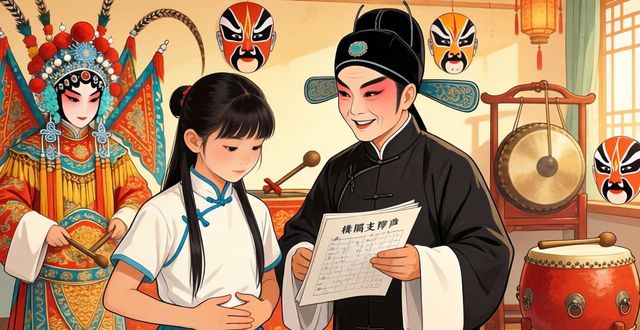
Sichuan Opera, or Chuanju, is famous for its lightning face-changing (Bian Lian), fire-spitting, and rolling lamps. But behind every stunning performance lies years of disciplined training. As someone who has guided beginners through this journey, I know the common struggles and misconceptions. This article shares real insights into what Sichuan Opera training actually involves, from physical demands to finding the right school.
How hard is Sichuan Opera training for beginners
Many newcomers underestimate the physical conditioning required. You will start with basic leg stretches, back bends, and waist twists, repeated hundreds of times daily. Unlike Western dance, Sichuan Opera emphasizes extreme lower-body stability because performers often wear thick platform boots while balancing on one leg. Beginners typically spend the first three months just learning to fall and recover without injury. The mental challenge is equally tough, as you must memorize complex rhythmic patterns while controlling your breathing.

Another hidden difficulty is voice training. Sichuan Opera uses a unique high-pitched singing style that projects over loud gongs and drums. New students often strain their throats because they try to force volume instead of using diaphragm support. A qualified trainer will make you practice humming exercises for weeks before allowing any actual singing. Many drop out during this phase, but those who persist find their natural range expands significantly.
What are the key techniques in Sichuan Opera training
The most sought-after skill is face-changing, but few understand its foundation. You first need perfect sleight of hand, which means practicing with silk ribbons and small props for six to twelve months. Trainers use a gradual method: you learn to peel an orange without breaking the skin, then graduate to changing paper masks under your collar. Only after passing these tests will you touch the real painted masks made of oiled paper or silk.
Fire-spitting requires even stricter safety training. Students practice with cold water sprayed from the mouth for months to control atomization and direction. The actual fuel is a special blend of rosin and kerosene, but beginners only observe demonstrations for the first year. A responsible training program never lets novices handle flammable materials until they show impeccable breathing control and reaction speed. Other core techniques include playing the gong while performing acrobatics and manipulating long sleeves for emotional expression.
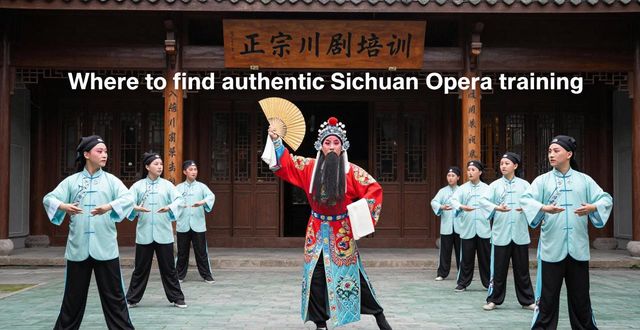
Where to find authentic Sichuan Opera training
Official troupes in Chengdu and Chongqing offer the most structured programs, but they rarely accept foreign beginners without referrals. A practical alternative is community cultural centers that partner with retired performers. These centers usually run six-month foundation courses covering basic movements, makeup application, and opera history. The cost is surprisingly low, often 200-300 RMB per month, though classes are taught in Chinese.
For serious learners, private apprenticeships remain the gold standard. You would live with a master, assist with performances, and train from dawn to dusk. Finding such opportunities requires networking through local opera associations. I recommend attending amateur performances first and respectfully asking performers about their teachers. Be prepared for rejection, as masters only take two or three students per decade. Also check online platforms like Douyin or Bilibili, where some trainers post recruitment notices,but verify their credentials carefully.
How long does it take to master Sichuan Opera skills
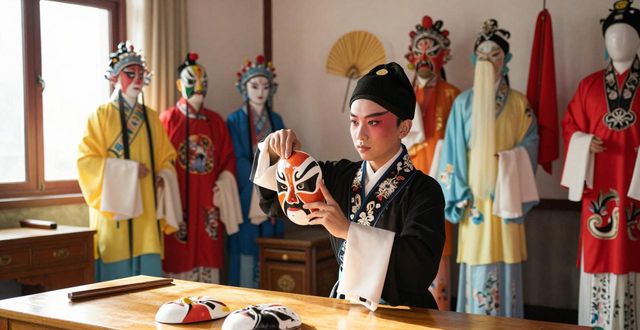
This depends entirely on your goal. Performing a basic face-change sequence with three masks takes most students two to three years of daily practice. Reaching a level where you can change nine masks in under ten seconds requires at least five years. For fire-spitting that looks safe yet dramatic, expect four years before your first public show. These timelines assume you train three hours daily with a competent instructor.
What about performing the full two-hour opera roles? That is a decade-long commitment. You must learn multiple character types (sheng, dan, jing, chou), each with distinct gestures and vocal styles. Many professional performers started as children, but adult beginners can achieve respectable skill if they focus on one specialty. The key is consistent practice and accepting that progress comes in frustrating plateaus. One month you see no improvement, then suddenly a movement clicks.
Have you ever tried learning a traditional performing art, and what aspect of Sichuan Opera fascinates you most? Share your thoughts in the comments below, and if this guide helped you, please give it a like and pass it to someone curious about Chinese opera training.