
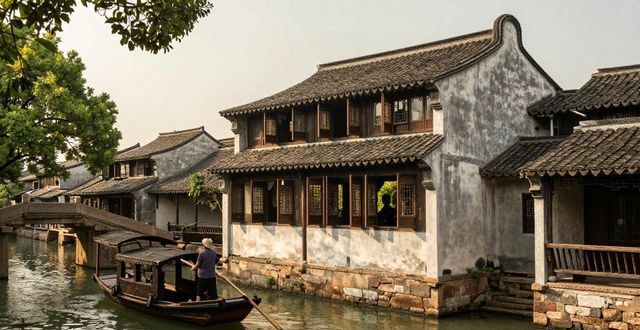
When you think of traveling through China, the bustling mega-cities like Beijing and Shanghai might come to mind first. But tucked away in the country’s ancient water towns and centuries-old alleyways lies a different kind of travel experience – unique homestays that let you live inside history. These aren’t your standard hotel rooms; they are restored courtyard houses, wooden lodges with carved beams, and family-run guesthouses where the walls whisper stories of the past. Having explored over a dozen old towns from Lijiang to Pingyao, I’ve learned that choosing the right homestay can transform a simple visit into an unforgettable journey. In this guide,I’ll share practical tips on finding, booking, and enjoying the most authentic stays China’s old towns have to offer.
Best unique homestays in old towns of China?

So where exactly should you look for these hidden gems? Start with the classic water towns near Shanghai, such as Zhouzhuang and Wuzhen. In Zhouzhuang, many homestays are converted from Ming and Qing dynasty residences, featuring “bridge-over-bridge” views right from your window. Head southwest to Lijiang’s old town in Yunnan, a UNESCO site, and you’ll find Naxi-style wooden houses with carved windows and tranquil courtyards filled with flowers. Another top choice is Pingyao in Shanxi, where former merchant mansions now operate as boutique homestays, complete with heated brick beds (kang) and traditional paper-cut decorations. For a less crowded experience, try the ancient town of Huangyao in Guangxi, where homestays sit along stone-paved lanes next to centuries-old banyan trees. Each location offers a different architectural style and cultural atmosphere, so pick based on what period of Chinese history fascinates you most.
How to book a unique homestay safely?
Booking a unique homestay in a remote old town can feel tricky, but following a few simple rules makes it safe and easy. First, always use reputable platforms like (formerly Ctrip) or Mafengwo, which have English interfaces and verified guest reviews. Look for listings with at least 50 recent reviews and an average score above 4.5 stars. Pay special attention to comments about cleanliness, hot water pressure, and heating – old buildings can be drafty in winter. Second, message the host directly through the platform before booking. Ask specific questions: Is the homestay inside the old town’s paid ticketed area? Do they offer airport or train station pickup? Are there English-speaking staff? I once booked a lovely-looking courtyard in Fenghuang, only to discover it was a 20-minute walk from the riverside attractions. Finally, never pay via WeChat transfer before seeing the room; use the platform’s secure payment system. If something feels off, trust your gut and choose another listing.
What to expect from a unique homestay experience?
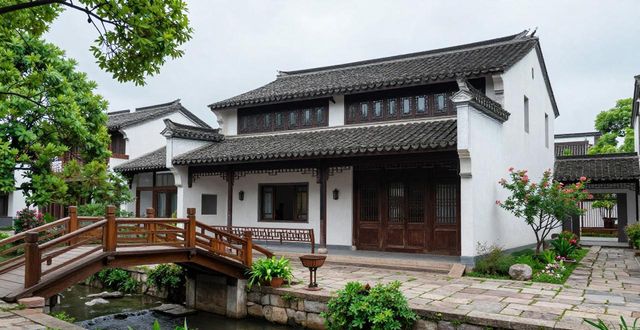
Staying in a heritage homestay is very different from a chain hotel, and that’s exactly the point. Expect smaller rooms – sometimes just 15 square meters – because ancient houses weren’t built for modern spaciousness. The floors might creak, the stairs could be steep, and the bathroom might be a recent addition behind a sliding wooden door. But these minor quirks are far outweighed by the magic. You’ll likely wake up to the sound of a rooster crowing or an old neighbor sweeping the stone alley. The host may serve you breakfast made from family recipes: hand-pulled noodles, fermented rice soup, or stuffed pancakes with local greens. In the evening, sit in the courtyard and chat with the host about the town’s legends – many families have lived there for generations and know secrets no guidebook tells. One host in Xitang taught me how to make lanterns from bamboo and rice paper, a memory I treasure far more than any hotel’s pool or gym.
Why stay in a unique old town homestay?

You might wonder: why not just book a modern hotel outside the old town for half the price? Because a homestay immerses you in the rhythm of local life in a way a hotel never can. When you stay inside the ancient walls, you experience the town after the day-trippers leave – the quiet magic of lanterns reflecting on canals, the smell of charcoal cooking dinner, and the feeling of being a temporary neighbor rather than a tourist. Homestays also directly support local families and heritage conservation. Many hosts use your booking fees to repair original woodwork, preserve ancestral halls, or plant traditional gardens. Moreover, you’ll get insider tips: the host can tell you which street vendor makes the best stinky tofu, what time to watch fishermen cast nets at dawn, or how to reach a hidden temple on the hill. For photographers, the soft morning light filtering through carved windows is priceless. For food lovers, a home-cooked meal using heirloom recipes beats any restaurant. In short, a unique homestay turns your trip into a story worth telling.
Have you ever stayed in a unique homestay in one of China’s old towns? Which town left the deepest impression on you – and what made that stay special? Share your experience in the comments below, and don’t forget to like and share this guide with fellow travelers who are planning their own adventure. Your story might inspire someone to book their first unforgettable homestay tonight!