
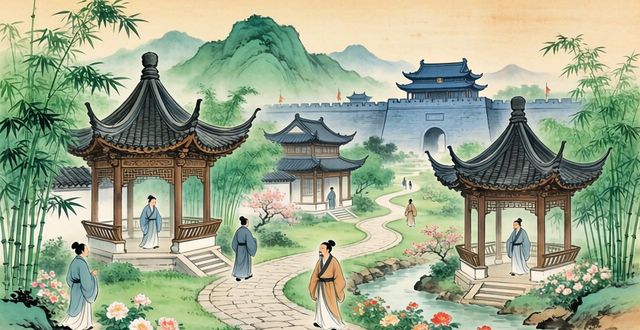
Suzhou Gardens, often hailed as the pinnacle of classical Chinese landscape design, represent a perfect fusion of nature, art, and philosophy. These gardens are not merely collections of plants and rocks; they are miniature universes where every element carries deep symbolic meaning. Having studied and visited these gardens for years, I can tell you that understanding their unique charm requires looking beyond surface beauty. In this article, we will explore their historical roots, core design principles, must-see examples, and practical tips for appreciation.
The History Behind Suzhou Gardens

The story of Suzhou Gardens stretches back over 2,500 years, with the first private gardens appearing during the Spring and Autumn period. However, it was during the Ming and Qing dynasties that garden building reached its peak, with more than 200 gardens recorded within the city walls. Wealthy scholars, retired officials, and merchants competed to create the most exquisite retreats, using gardens as escapes from political turmoil. These spaces were designed not for public display but for private contemplation, poetry writing, and music playing. Today, nine of these gardens are recognized as UNESCO World Heritage sites, including the famous Humble Administrator’s Garden and Lingering Garden.
Key Design Principles You Should Know
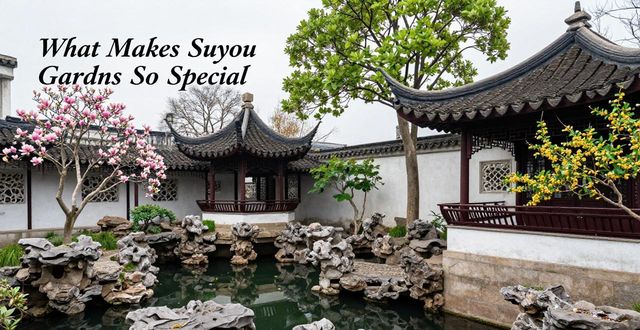
Unlike Western gardens that emphasize symmetry and open lawns, Suzhou Gardens follow the principle of “borrowing scenery” or jie jing. This technique incorporates distant pagodas, mountain silhouettes, or even clouds into the garden’s visual field, making the space feel infinitely larger. Another essential concept is “hiding and revealing” – paths suddenly turn, walls have odd-shaped windows, and pavilions appear only when you round a corner. This creates a sense of discovery and endless depth. Every rock,pond, and plant is chosen for its texture, shape, and seasonal change, ensuring the garden looks different every day of the year.
Must-See Gardens in Suzhou
If you have limited time, prioritize the Humble Administrator’s Garden, the largest and most celebrated in Suzhou. Covering over five hectares, it features vast lotus ponds, elegantly curved bridges, and the iconic Pavilion Far Away. Next, visit the Lingering Garden, famous for its masterful rock formations and the twelve limestone peaks that resemble mythical creatures. For a more intimate experience, the Master of the Nets Garden is a compact masterpiece – despite its small size, it perfectly demonstrates how to create multiple viewing angles within a tight space. Each garden tells a different story, so try to visit at least three to grasp the full artistic range.
How to Appreciate These Gardens Like a Local
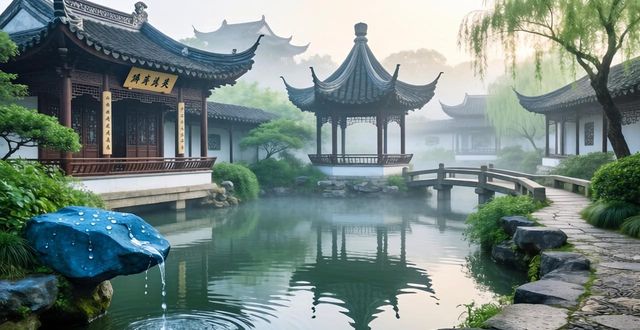
Most tourists rush through Suzhou Gardens in an hour, but true appreciation takes half a day. Start early in the morning when the mist still lingers over ponds, and listen for the sound of water dripping from rocks. Pay attention to the names of pavilions and halls – they often quote classical poems, revealing the owner’s ideals. Also, notice the ground patterns made of pebbles and colored tiles; these symbolize auspicious wishes like longevity or prosperity. Finally, sit on a stone bench for fifteen minutes without taking photos. Watch how light and shadow shift across a wall, and you will finally understand why these gardens are called “three-dimensional paintings.”
Have you ever visited a Suzhou Garden and discovered a hidden corner that felt like your own secret world – and would you share that moment with us in the comments below?