
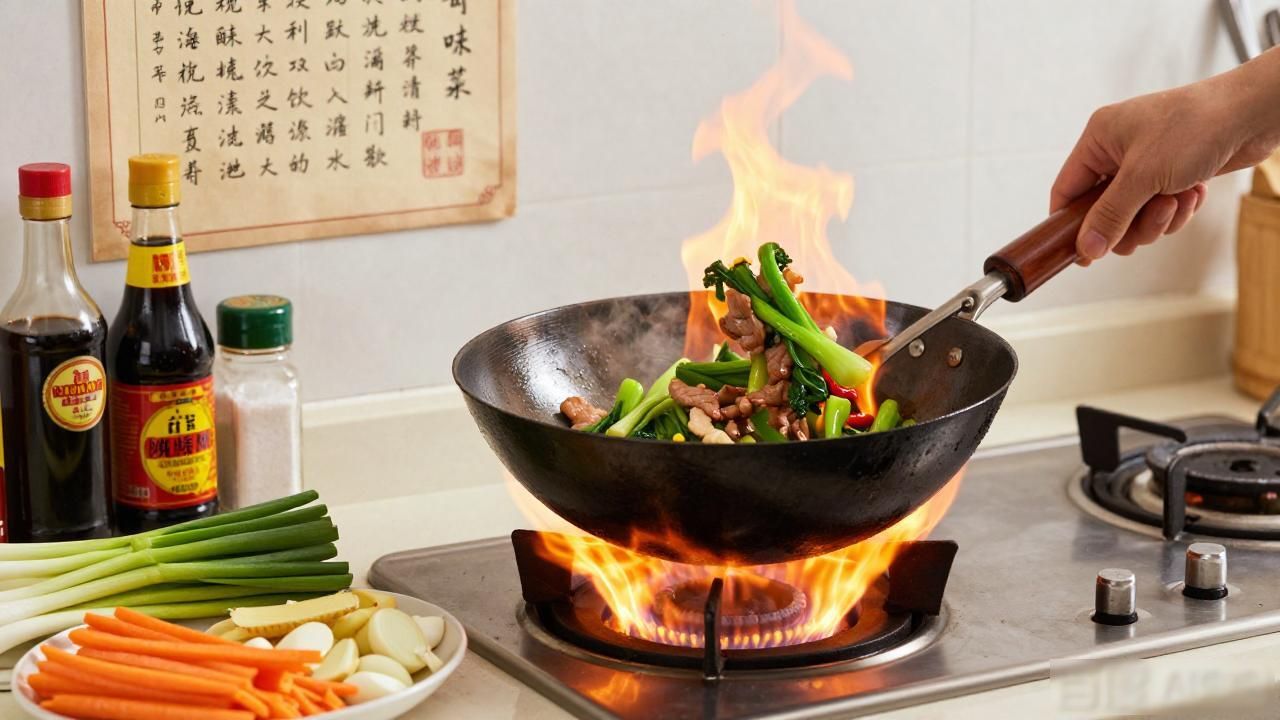
Cooking Chinese cuisine at home can feel intimidating, but it is actually one of the most rewarding kitchen skills you can learn. The secret is not about exotic ingredients or years of training—it is about understanding a few core techniques and balancing flavors. Once you grasp the basics, you can recreate restaurant-quality dishes in your own kitchen.
What tools do you really need for Chinese cooking
You do not need a full wok station or a pantry full of rare spices. A good carbon steel wok is ideal because it heats quickly and evenly, but a large nonstick skillet works just fine. A sturdy spatula and a sharp chef’s knife are more important than any fancy gadget. Many beginners worry they need special equipment, but the truth is that most Chinese home cooking relies on simple tools you already own.

The real game changer is heat control. Chinese stir-frying depends on high heat and fast movement. If your stove is not powerful, let your pan heat up longer before adding oil. This prevents food from steaming instead of searing. Practice moving ingredients quickly—have everything chopped and sauces mixed before you turn on the burner. Preparation is half the battle.
How do you get authentic flavor without hard-to-find ingredients
Authentic flavor comes from a short list of pantry staples, not rare imports. Soy sauce, oyster sauce, sesame oil, rice vinegar, and cornstarch are the backbone of most Chinese sauces. Garlic, ginger, and scallions are used in nearly every dish. These ingredients are easy to find in any supermarket. You do not need to visit a specialty store.
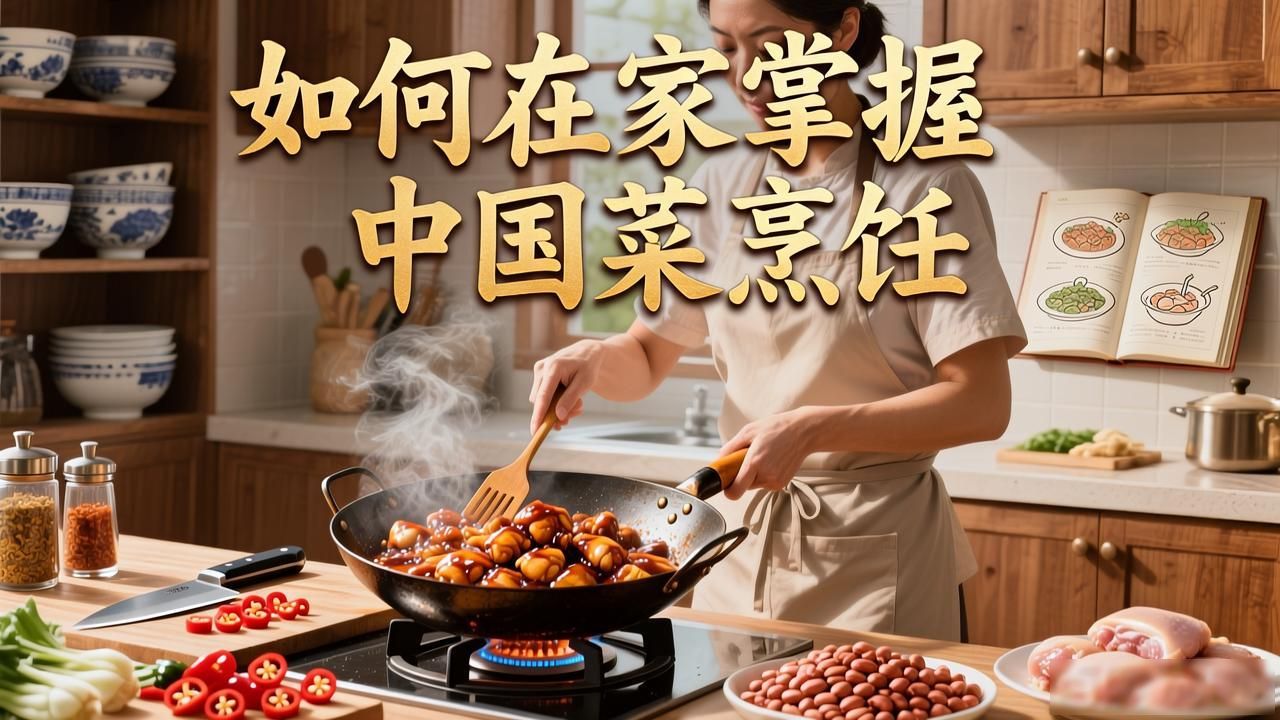
The trick is layering flavors. Start by frying aromatics like ginger and garlic in hot oil. Then add your protein, followed by vegetables. Finally, pour in a premixed sauce and toss everything together. The sauce should balance salty, sweet, sour, and umami. Taste as you go and adjust. Many beginners add too much sauce, which makes the dish soggy. Use just enough to coat the ingredients lightly.
Is it difficult to master stir-frying techniques
Stir-frying is simpler than it looks. The key is to cook in small batches. If you crowd the pan, the temperature drops and your food boils instead of fries. Cook meat first, remove it, then cook vegetables. Combine everything at the end. This ensures each component is cooked properly. Timing matters more than skill.
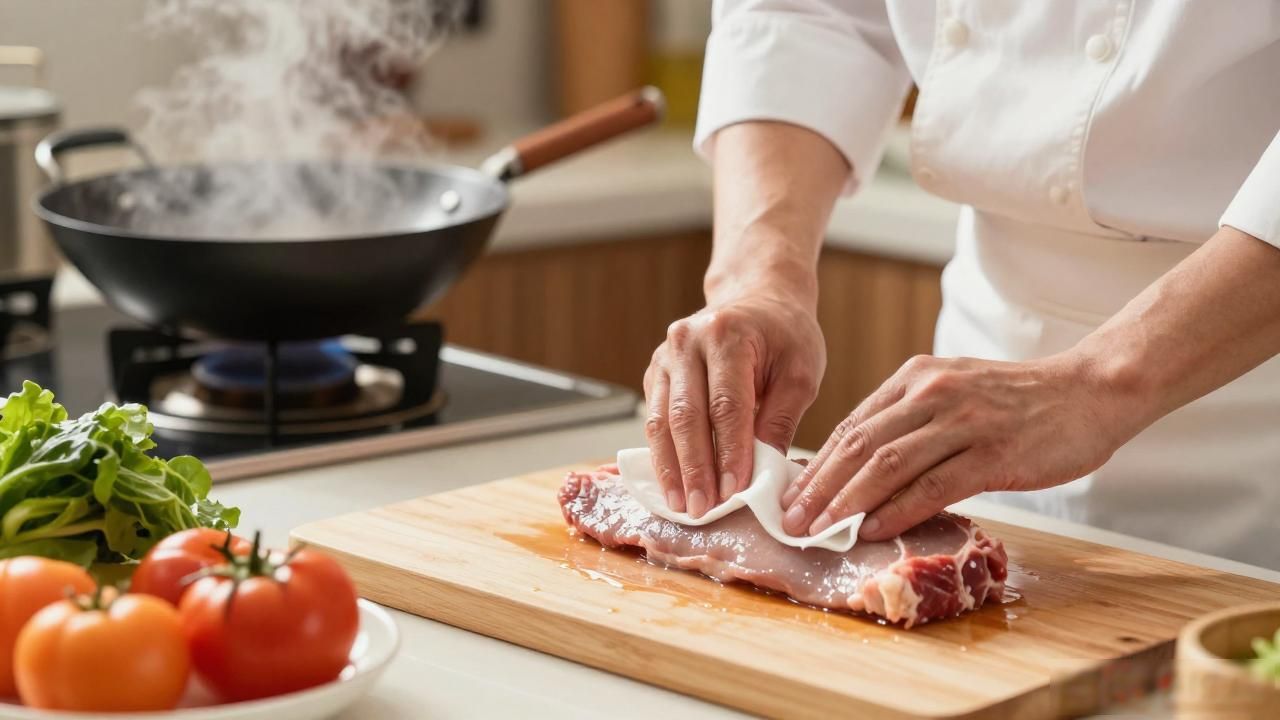
Another common mistake is not drying ingredients before cooking. Wet food creates steam and prevents browning. Pat your protein dry with paper towels and let vegetables sit after washing. A dry surface helps you achieve that slightly charred, smoky flavor called wok hei. It takes practice, but after a few tries, you will notice the difference.
Cooking Chinese cuisine is about confidence and repetition. Start with one dish, like stir-fried vegetables or fried rice,and make it until it feels natural. Then build from there. The techniques transfer across recipes, so once you have the foundation, the possibilities are endless.