
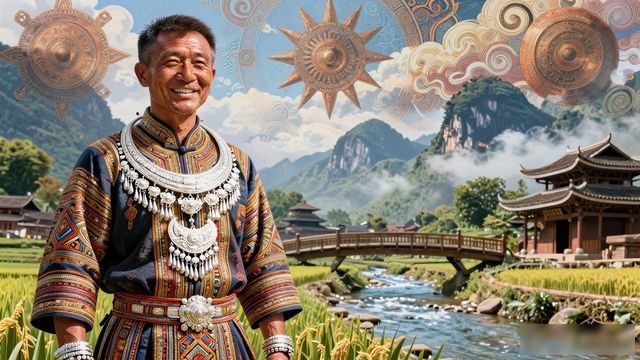
China officially recognizes 56 ethnic groups, with the Han Chinese forming the vast majority of the population. The remaining 55 groups, often referred to as ethnic minorities, contribute richly to the nation’s cultural diversity. Understanding their traditions, languages, and ways of life offers a deeper insight into what makes China so varied and vibrant.
What makes each minority group unique

Each of the 55 ethnic minorities in China has its own distinct identity. The Zhuang, for example, are the largest minority group, with a population exceeding 16 million. They live mainly in Guangxi and have their own language, which is part of the Tai-Kadai family. Their traditional clothing features bright embroidery and silver accessories, often worn during festivals like the March Third Singing Festival.
The Tibetans, living mostly on the Qinghai-Tibet Plateau, follow Tibetan Buddhism and maintain a lifestyle adapted to high altitudes. Their monasteries, such as the Potala Palace in Lhasa,are spiritual centers. Meanwhile, the Uyghurs in Xinjiang have a culture influenced by Central Asia, with Islam shaping their customs. Their food, like lamb skewers and naan bread, and music, featuring the dutar and drum, stand apart from other groups.
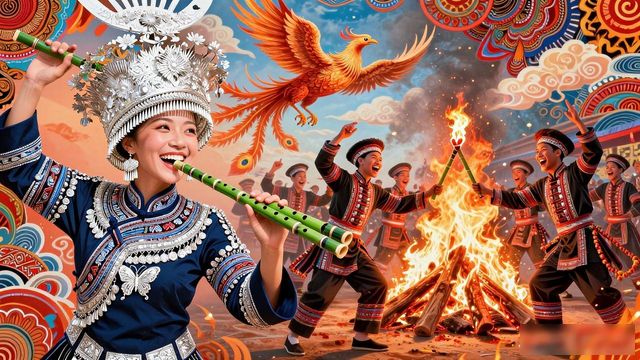
The Miao people are known for their silver jewelry and intricate batik fabrics. Their festivals, like the Lusheng Dance, involve playing bamboo reed pipes. The Yi people in Yunnan and Sichuan celebrate the Torch Festival, where they light fires to ward off evil spirits. These unique practices show how geography and history have shaped each group’s way of life.
How do ethnic minorities preserve their traditions today
Preserving traditions is an active challenge in modern China. Many minority communities live in autonomous regions, such as the Tibetan Autonomous Region and the Xinjiang Uyghur Autonomous Region, which allow them to maintain some legal and cultural autonomy. Schools in these areas often teach in both Mandarin and the local language, helping young people stay connected to their heritage.
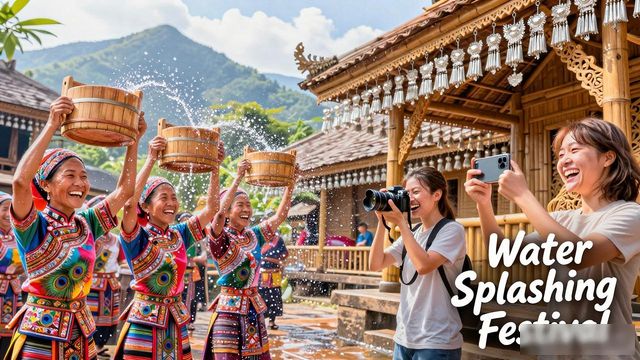
Tourism plays a double role. In places like the Yunnan province, visitors can experience minority villages firsthand. The Dai people, for instance, host the Water Splashing Festival to welcome tourists, which helps keep the tradition alive but also commercializes it. Some worry that this dilutes authenticity, while others see it as a way to fund cultural preservation.
Younger generations are also using social media to share their culture. Uyghur dancers post videos of their traditional dances on platforms like Douyin, reaching millions. Miao artisans sell their embroidered goods online to global buyers. Technology becomes a tool, not a threat, when used deliberately. Yet, the older generation often struggles to pass down oral histories and crafts, as urbanization pulls youth toward cities. Balancing modernization with tradition remains a delicate act.