
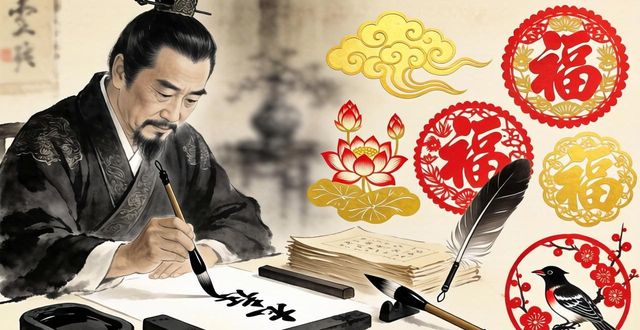
Chinese calligraphy and paper cutting are two of the most treasured traditional arts in China, each carrying thousands of years of history and deep cultural meaning. Calligraphy is not just writing—it is a form of spiritual expression, while paper cutting transforms simple paper into intricate symbols of luck and celebration. Together, they represent the soul of Chinese aesthetics, blending philosophy, craftsmanship, and everyday life. In this article,we will explore the unique charm of these art forms and why they continue to inspire people around the world.
What makes Chinese calligraphy different from ordinary writing

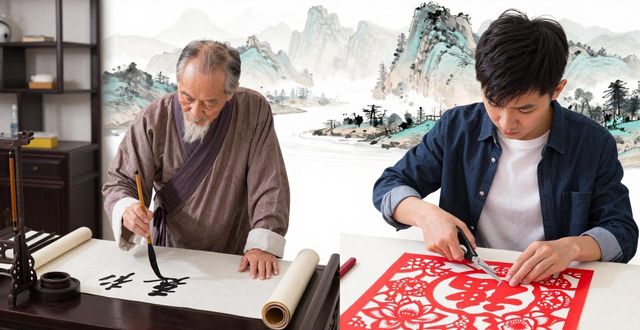
Unlike ordinary writing that focuses only on legibility, Chinese calligraphy treats every stroke as an artistic performance. The brush, ink, paper, and inkstone—known as the Four Treasures of the Study—work together to create rhythm, balance, and emotion. A calligrapher must control pressure, speed, and angle to produce characters that feel alive. For example, the cursive script can look wild and free, while the regular script appears strict and orderly. This art is deeply connected to Chinese philosophy, especially the idea of harmony between heaven, earth, and humanity. Many people practice calligraphy to calm their minds and cultivate patience. It is not just about writing words; it is about expressing one’s inner state through every brushstroke.
How to learn paper cutting as a beginner
Learning paper cutting can seem difficult at first, but anyone can start with simple patterns. The most common tool is a pair of sharp scissors, though some artists use knives for finer details. Beginners should practice cutting basic shapes like circles, squares, and leaves on folded paper. The classic red paper is preferred because red symbolizes happiness and good fortune in Chinese culture. A great first project is the double-happiness character, often used in weddings. To improve, you can trace existing designs or watch online tutorials. Remember to keep your wrist relaxed and rotate the paper instead of forcing the scissors. With regular practice, you will soon create beautiful decorations for festivals like the Spring Festival. Paper cutting is not only fun but also a wonderful way to understand Chinese folk art traditions.
Why are Chinese calligraphy and paper cutting still popular today
Despite the digital age, both arts remain vibrant because they fulfill deep human needs. People use calligraphy to escape from screen fatigue and reconnect with mindful creativity. Many companies even hire calligraphers for brand logos, as handwritten characters feel more authentic. Paper cutting continues to appear in modern designs, from fashion patterns to home decorations. Tourists love buying paper-cut artworks as souvenirs because each piece tells a story of luck, longevity, or love. Schools in China teach these arts to children so they never forget their heritage. Moreover, social media has given them new life—short videos of calligraphy performances or paper cutting tutorials attract millions of views. These arts are not stuck in the past; they evolve while keeping their core spirit alive.
Where to find authentic Chinese calligraphy and paper cutting supplies
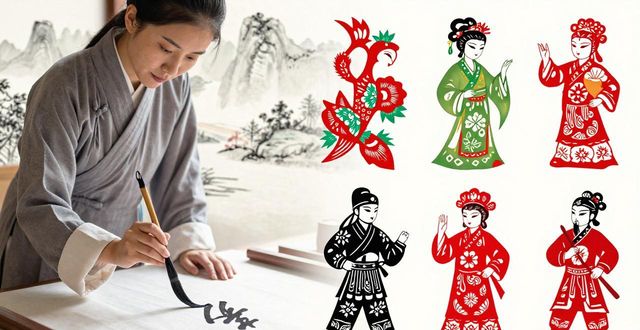
If you want to start practicing, getting the right supplies is important. For calligraphy, look for a brush with a flexible tip, ink that smells like incense, and rice paper that absorbs ink beautifully. Many online stores like Amazon or Etsy sell beginner kits under twenty dollars. For paper cutting, choose thin but strong paper—red Xuan paper is ideal. Scissors with fine, sharp points work best for intricate patterns. Local Chinatowns or Asian art supply shops often carry high-quality items at reasonable prices. You can also find digital templates to print at home. Remember that cheap supplies might frustrate beginners, so invest a little more for a better experience. Some museums and cultural centers offer workshops where you can try tools before buying. With the right materials, you will enjoy learning much more.
Now I’d love to hear from you—have you ever tried Chinese calligraphy or paper cutting, and which one would you like to learn first? Please share your thoughts in the comments, and don’t forget to like and share this article if you found it helpful!