

The Great Wall of China is far more than a pile of ancient stones snaking across mountains. It is a living testament to human determination, military strategy, and cultural endurance. Stretching over 13,000 miles, this UNESCO World Heritage site was built across two millennia by several dynasties. Many first-time visitors only know it as a tourist attraction near Beijing, but the real story is much deeper. In this guide, I will share the most practical tips for planning your trip, explain why different sections offer vastly different experiences, and help you avoid the most common mistakes travelers make.
Why was the Great Wall of China built

The primary purpose of the Great Wall was defense, but not just against nomadic raiders from the north. Different emperors used the wall to control trade routes, regulate immigration, and even collect taxes. The earliest walls were simple rammed-earth structures built by separate warring states. When Qin Shi Huang unified China in 221 BCE, he ordered these walls connected into a single system. Later, the Ming dynasty (1368–1644) rebuilt most of what you see today using bricks and stones, adding watchtowers and garrison stations every few hundred meters. Surprisingly, the wall never formed a continuous barrier. Natural obstacles like rivers and steep cliffs served as effective defenses, so builders often left gaps.
Which section of the Great Wall is best for first-time visitors
Most tourists head to Badaling, and that is a mistake if you hate crowds. Badaling is heavily restored, packed with souvenir shops, and often feels like a theme park rather than a historical site. Instead, consider Mutianyu, which offers a perfect balance of authenticity and accessibility. It has fewer tourists, beautiful forest scenery, and a cable car that takes you directly onto the wall. For adventurous travelers, Jinshanling provides a half-ruined, wilder experience where you can hike for hours without seeing another person. Simatai is the only section open for night tours, offering a magical view of the wall lit under the stars. Each section has its own character, so choose based on your fitness level and how much solitude you want.

How to get to the Great Wall from Beijing
Public transportation is cheaper but time-consuming. To reach Mutianyu, take subway Line 2 to Dongzhimen, then bus 916快 to Huairou, and finally a local minibus or taxi for the last 15 kilometers. The whole journey takes about two and a half hours one way. For a hassle-free experience, join a small-group tour that includes hotel pickup, lunch, and an English-speaking guide. Tours to Mutianyu typically cost 200–300 RMB (about 30–45 USD) and save you from navigating confusing bus stations. If you are traveling with family or elderly members, hiring a private driver is worth the extra cost. Expect to pay around 600–800 RMB for a round trip from central Beijing. Avoid unlicensed taxis near tourist spots, as they often overcharge by 300% or more.
What to pack and when to visit the Great Wall
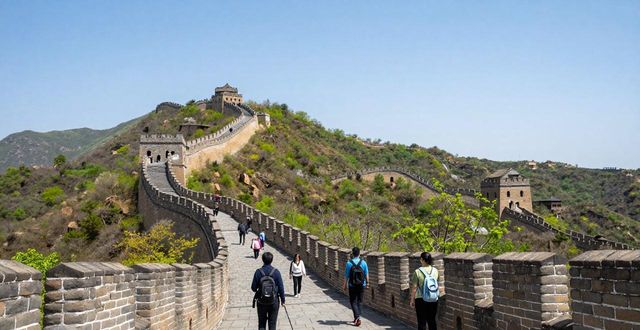
Spring (April–May) and autumn (September–October) offer the most comfortable weather, with clear skies and mild temperatures. Summer is hot, humid, and crowded, while winter can be bitterly cold with strong winds, though you will have the wall almost to yourself. Regardless of season,wear sturdy hiking shoes because even restored sections have uneven steps. Bring layers, sunscreen, a hat, and at least one liter of water per person. There are no shops once you leave the ticket area, so pack snacks and a power bank for your phone. Many first-time visitors underestimate the physical challenge. The wall climbs steep ridges, and a one-kilometer walk might take an hour due to the constant ascent and descent. Do not try to cover too much ground; instead, walk slowly and enjoy the panoramic views.
Now I want to hear from you. Have you ever walked on the Great Wall, and if so, which section left the strongest impression on you? Share your story in the comments below, and do not forget to like and share this guide with fellow travelers planning their China adventure.